Hair dryer for watercolor, Dinghy Stored on Davits, Yarlung Tsangpo gorge from Pe village, Tibet, China, Persian woman 40s cross-legged, long hair down, and more — pen + watercolor for July 30, 2026
AI-generated daily art-practice references for pen and watercolor: Hair dryer for watercolor, Dinghy Stored on Davits, Yarlung Tsangpo gorge from Pe village, Tibet, China, Persian woman 40s cross-legged, long hair down, Pavilions of the Lawn, University of Virginia, Charlottesville, Virginia, Kid…
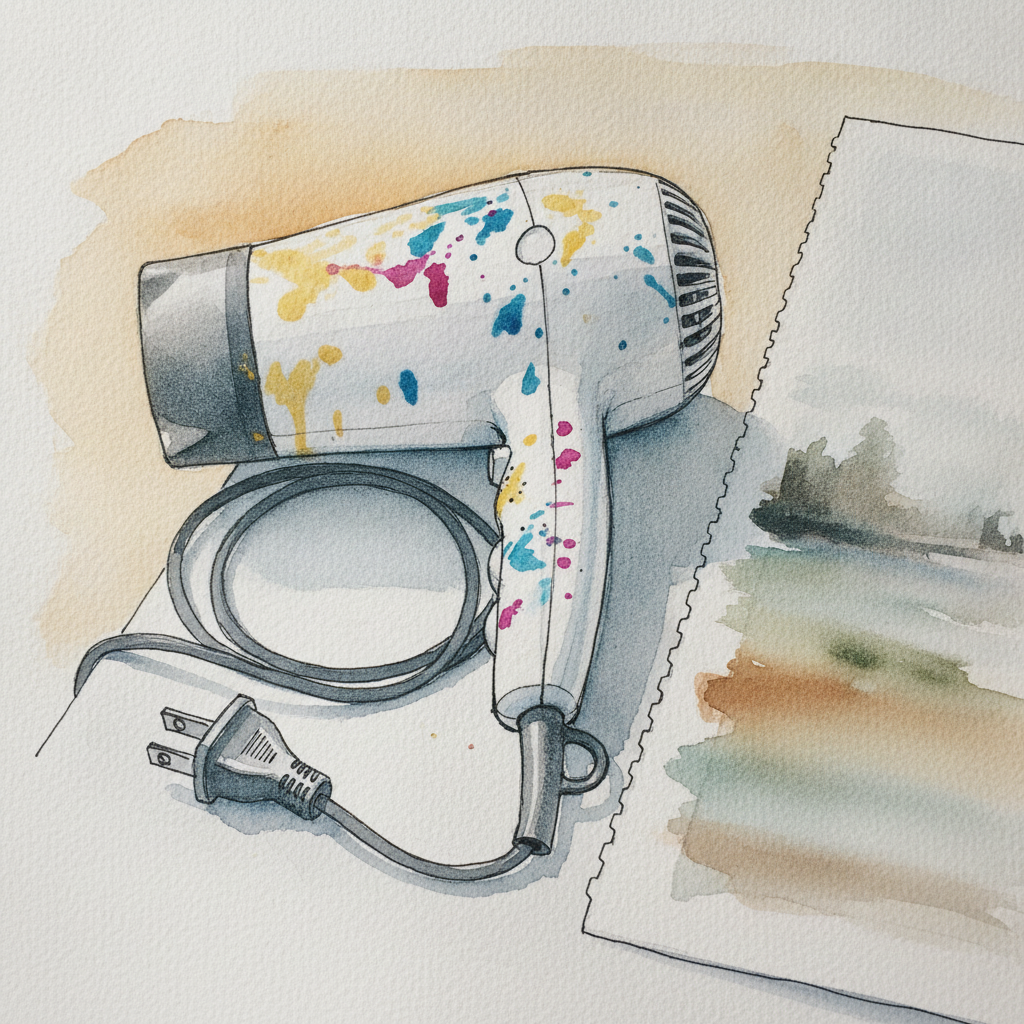
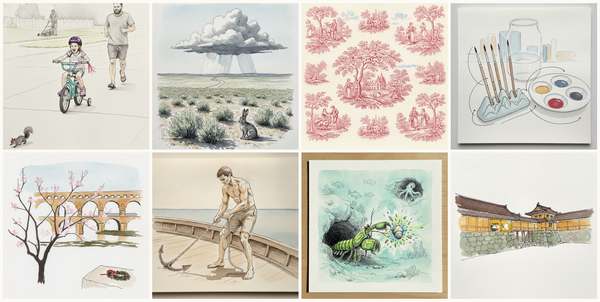
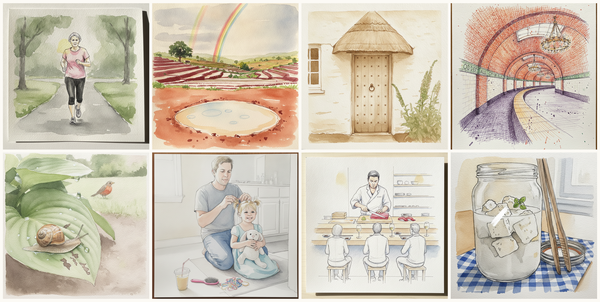
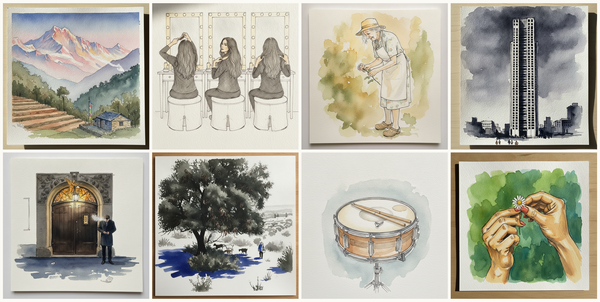
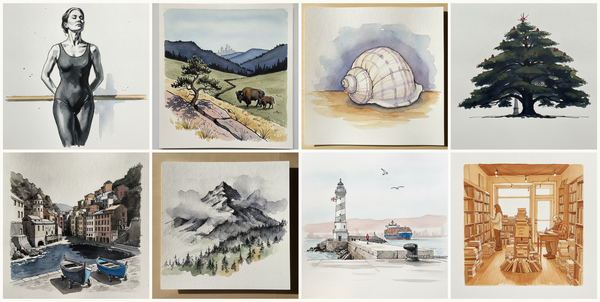
Today's 8 pen-and-watercolor pieces: Hair dryer for watercolor, Dinghy Stored on Davits, Yarlung Tsangpo gorge from Pe village, Tibet, China, Persian woman 40s cross-legged, long hair down, Pavilions of the Lawn, University of Virginia, Charlottesville, Virginia, Kid with LEGO mess, Osprey, Hudson Through-Truss in Fog. Each piece comes with an AI-generated photoreal reference, three AI-generated example artworks in different treatments, and a short focus paragraph naming what to study in this one.
Why these references use AI
This daily series uses AI-generated images as practice prompts, not as finished artwork to copy. Each subject starts with a synthetic photoreal reference generated with Gemini/Nano Banana, then moves into three pen-and-watercolor interpretations of the same subject.
I use AI here because daily art practice needs variety and low friction. Real life can get repetitive, busy, or visually narrow. These generated reference sets make it easier to study bodies, buildings, animals, landscapes, objects, gestures, light, palettes, and compositions that might not show up in an ordinary day.
The goal is not to reproduce any image directly. Treat each set as a starting point for observation and study: choose what interests you, change the framing, simplify the subject, alter the palette, and make your own version.
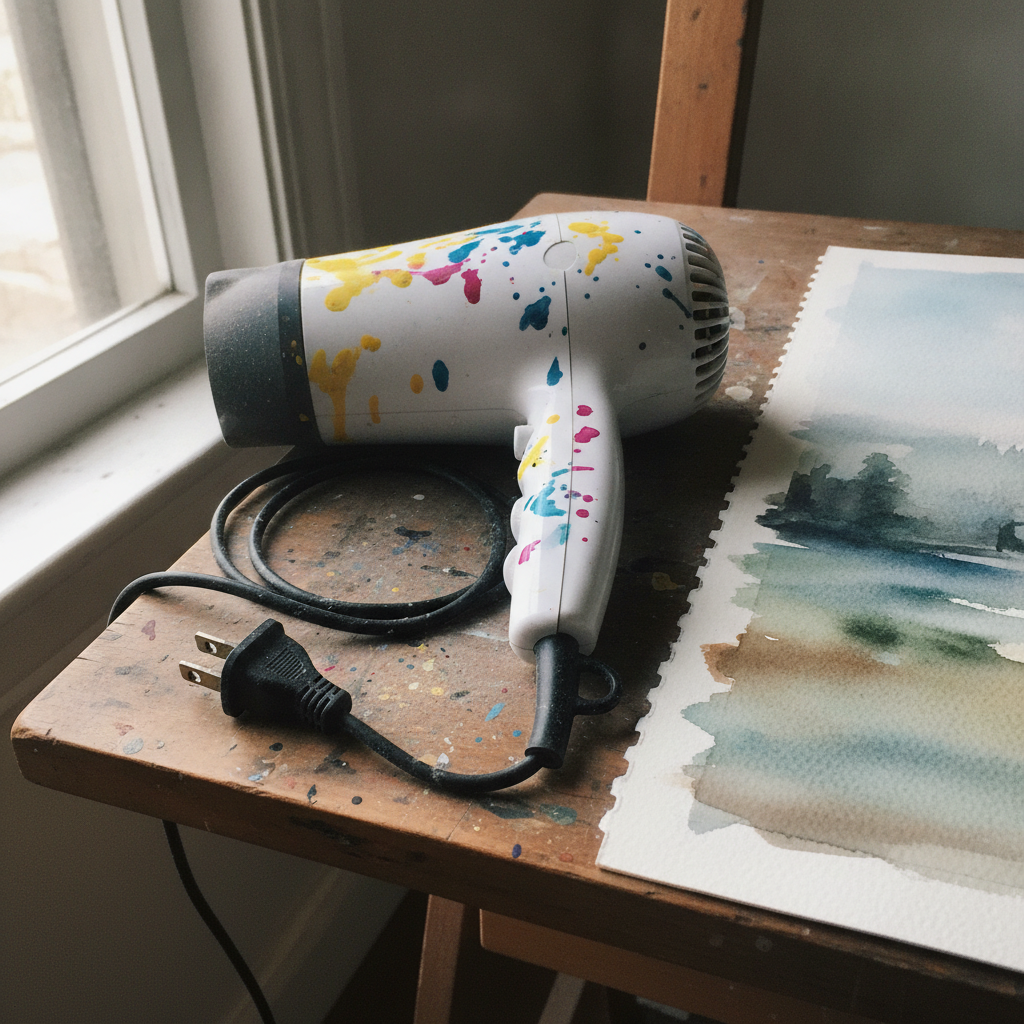
Piece 1 — Hair dryer for watercolor
Pen + Watercolor · Loose pen and watercolor line-and-wash
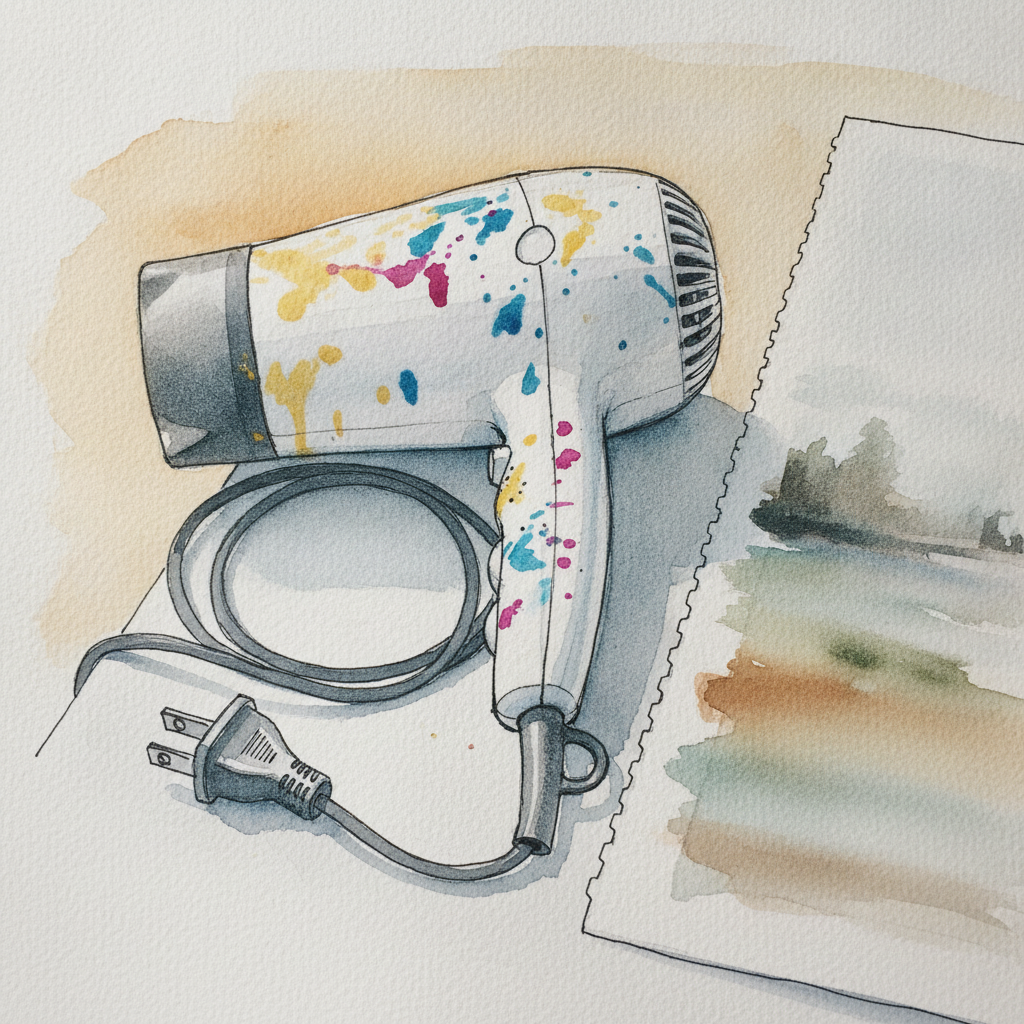
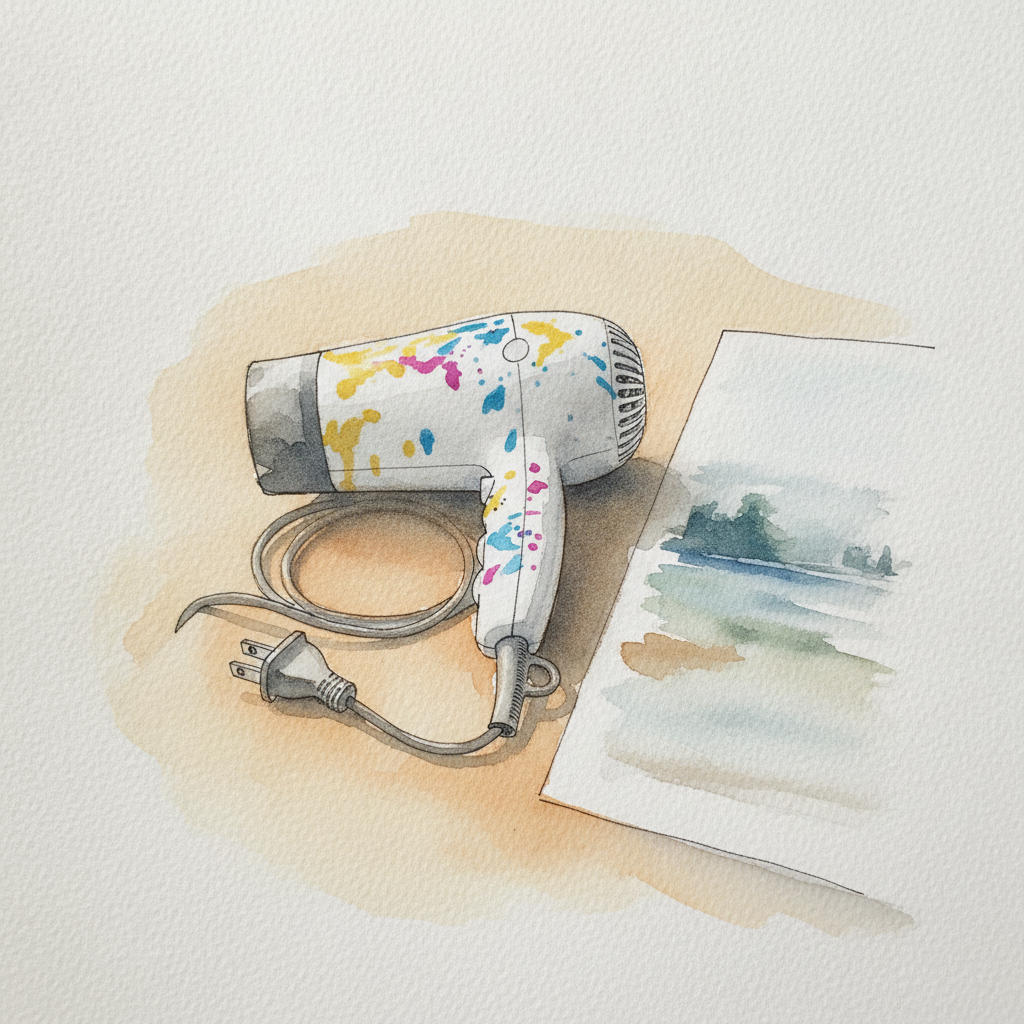
Three takes
Focus for this piece
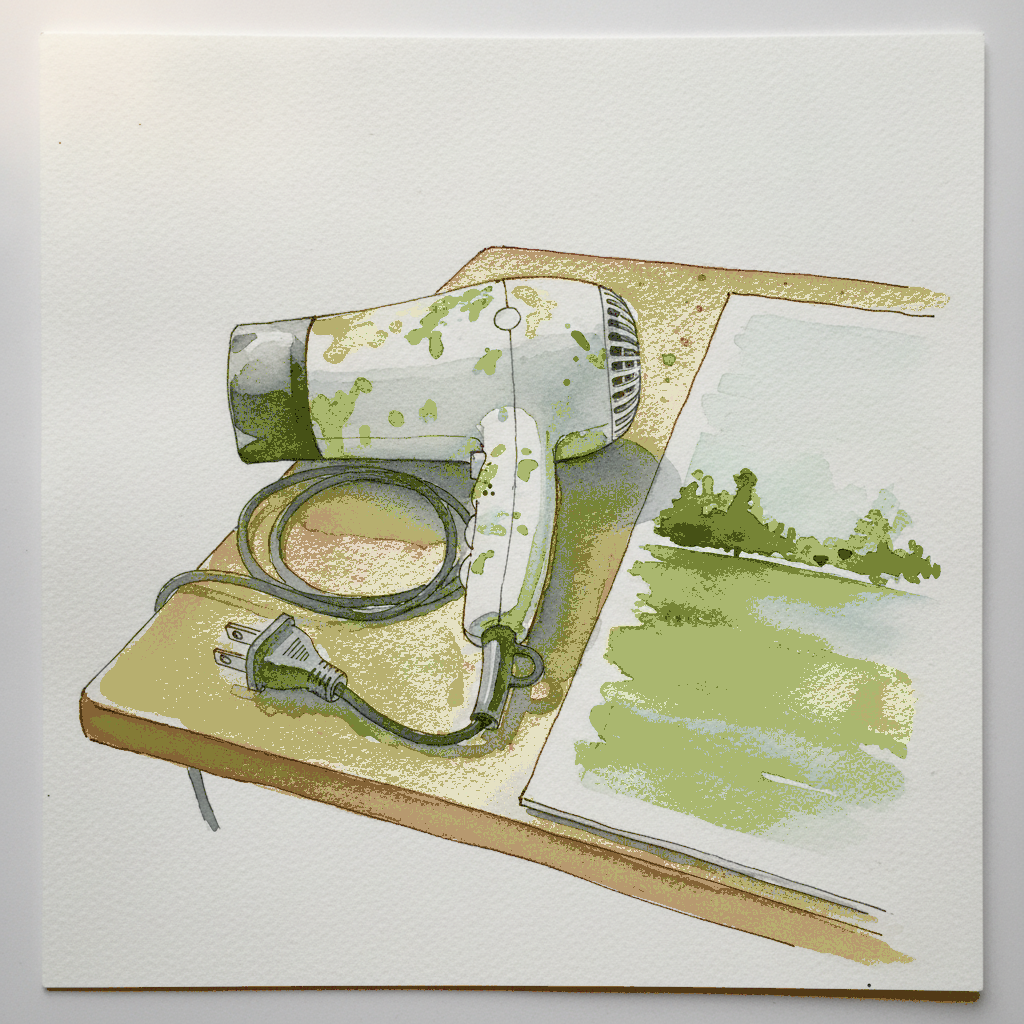
This piece offers a superb opportunity to practice rendering both smooth, volumetric forms and intricate surface textures. Use broad, graded washes to capture the soft, modulated light across the dryer's plastic body, then contrast this with fine, varied pen lines and dry-brush details to depict the coiled cord, dusty plug, and the crisp, vivid paint splatters. Pay attention to how the combination of soft washes and precise linework makes the mundane objects feel tangible and lively.
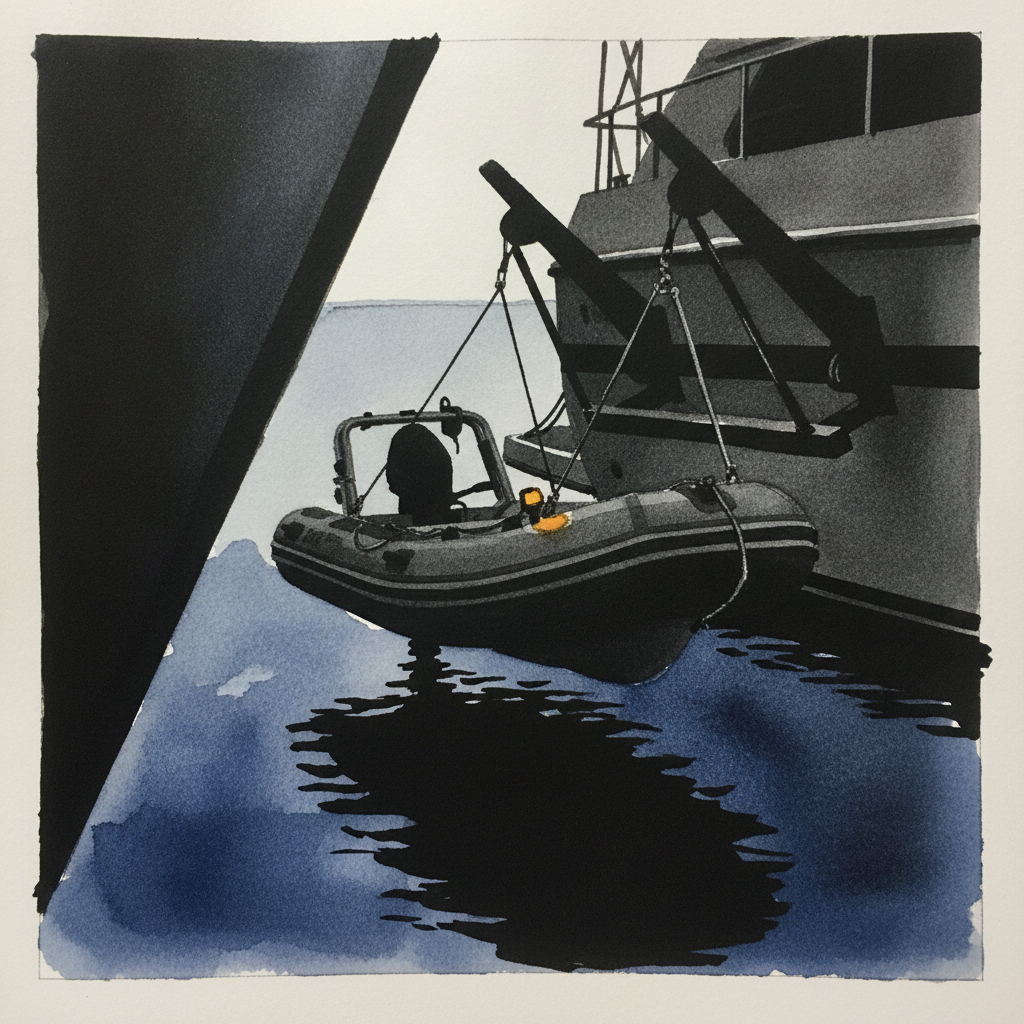
Piece 2 — Dinghy Stored on Davits
Pen + Watercolor · Loose pen and watercolor line-and-wash
Three takes
Focus for this piece
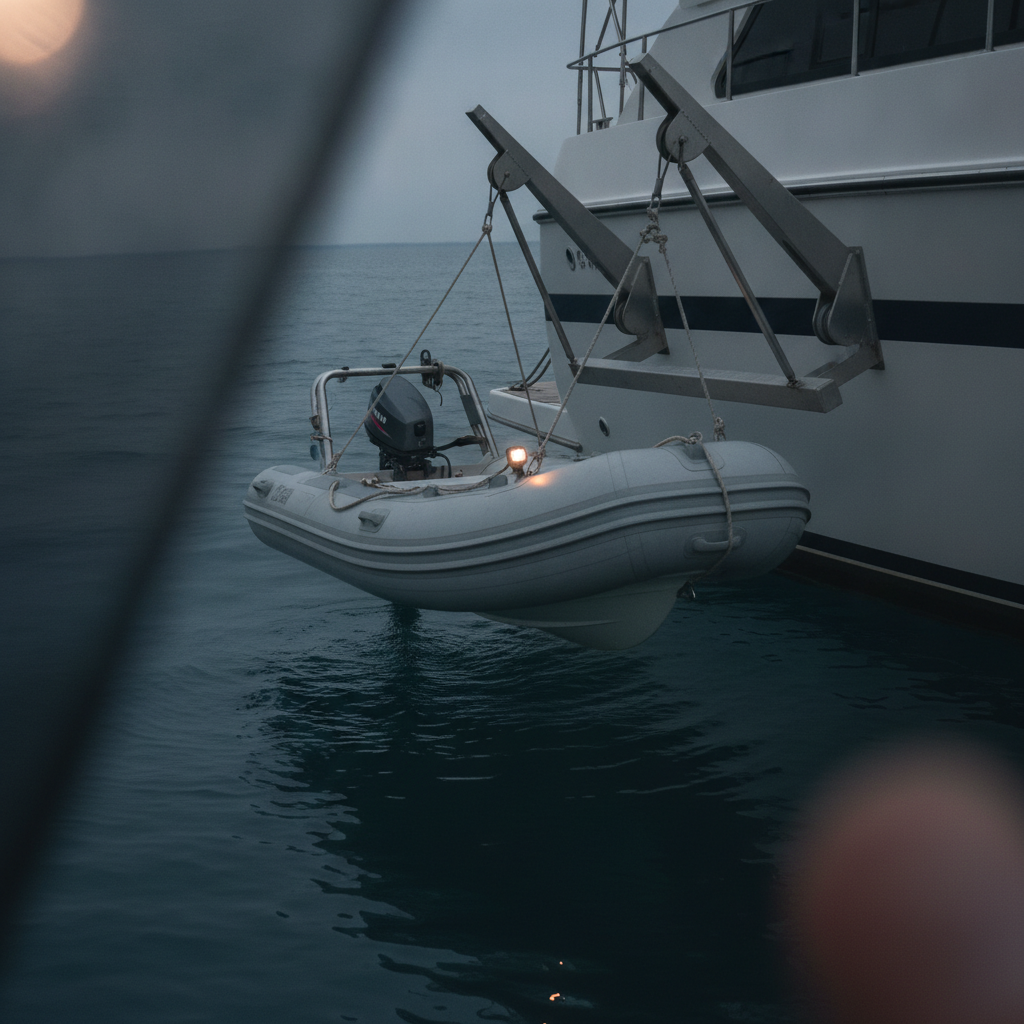
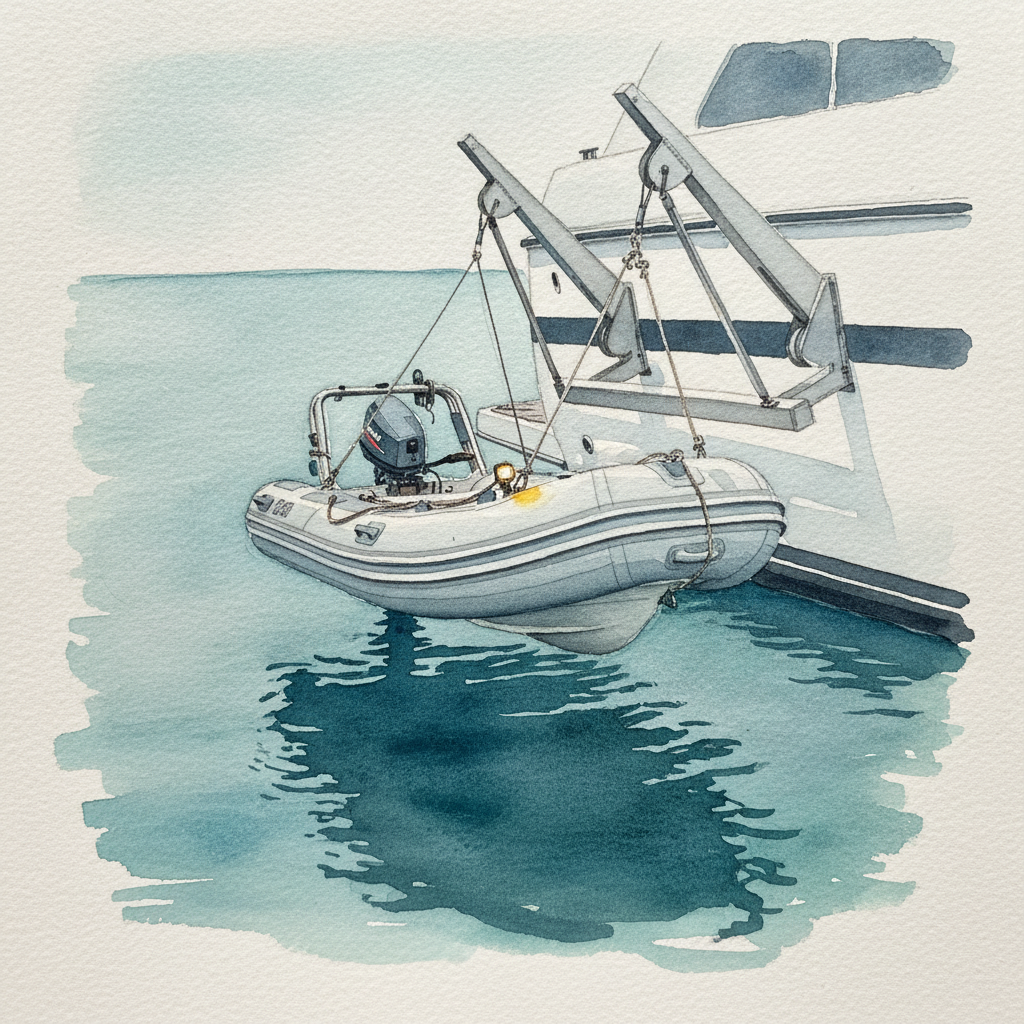
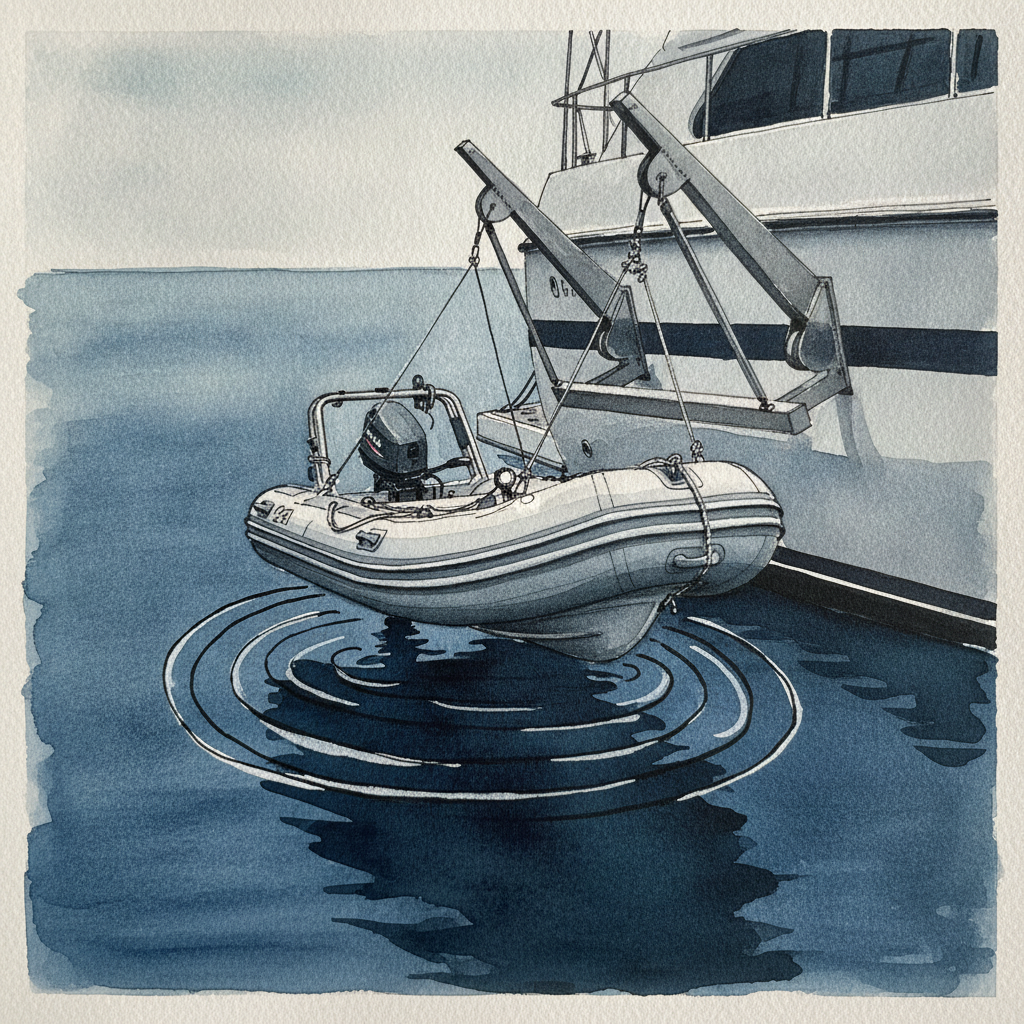
This piece is ideal for studying the interplay of precise line and soft wash to define varied forms and textures. Use subtle, layered washes to model the inflatable dinghy's volume and the yacht's white hull, relying on shadows to reveal shape rather than opaque color. Reserve crisp, consistent pen lines for the rigid davits and securing ropes, contrasting with gentle wet-on-wet washes for the calm, reflective water and the rippling wake.
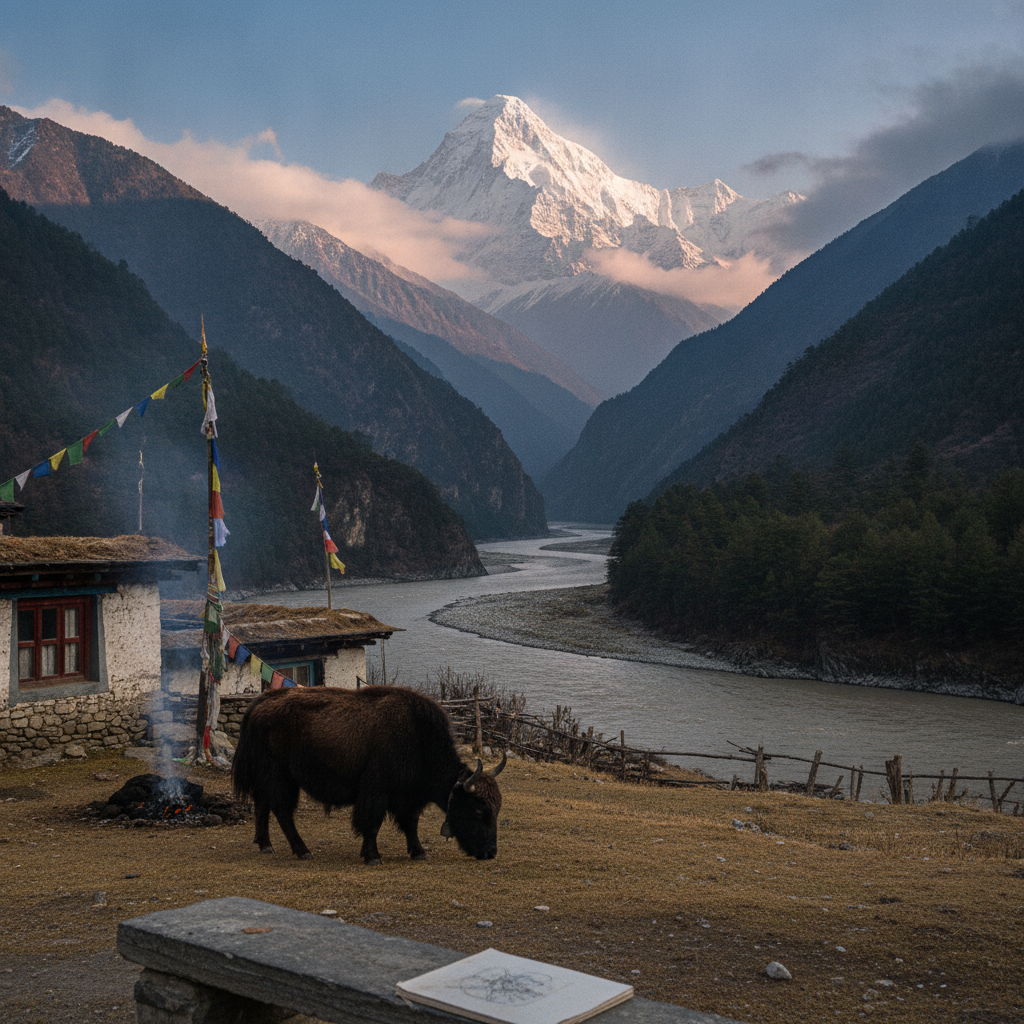
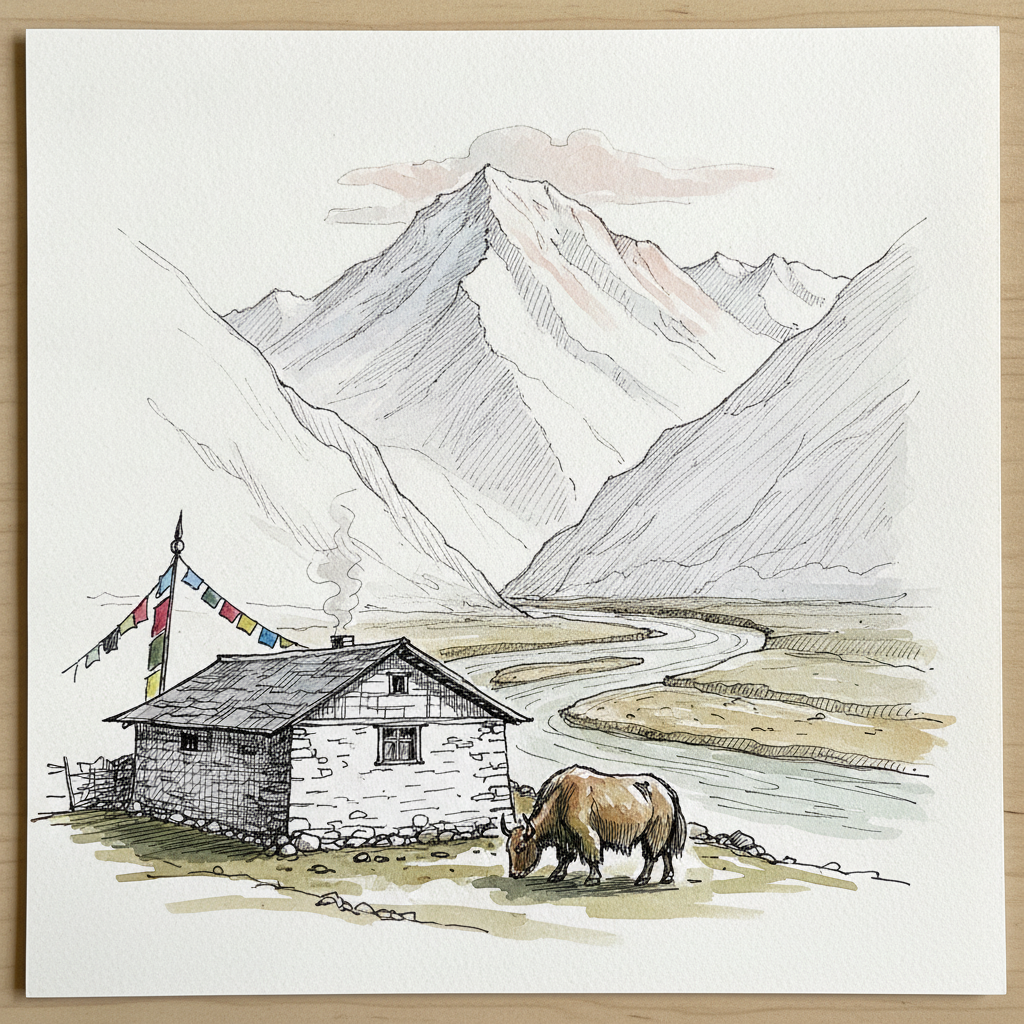
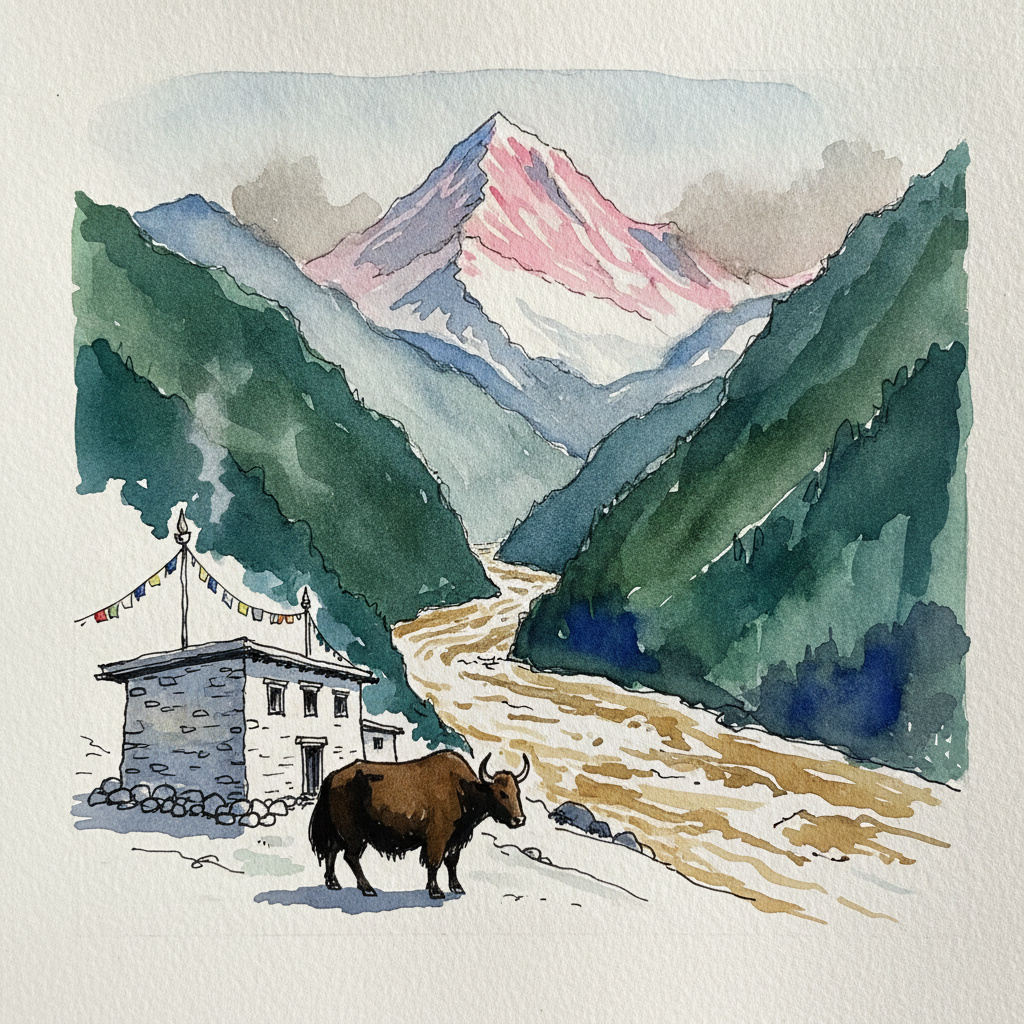
Piece 3 — Yarlung Tsangpo gorge from Pe village, Tibet, China
Pen + Watercolor · Loose pen and watercolor line-and-wash
Three takes
Focus for this piece
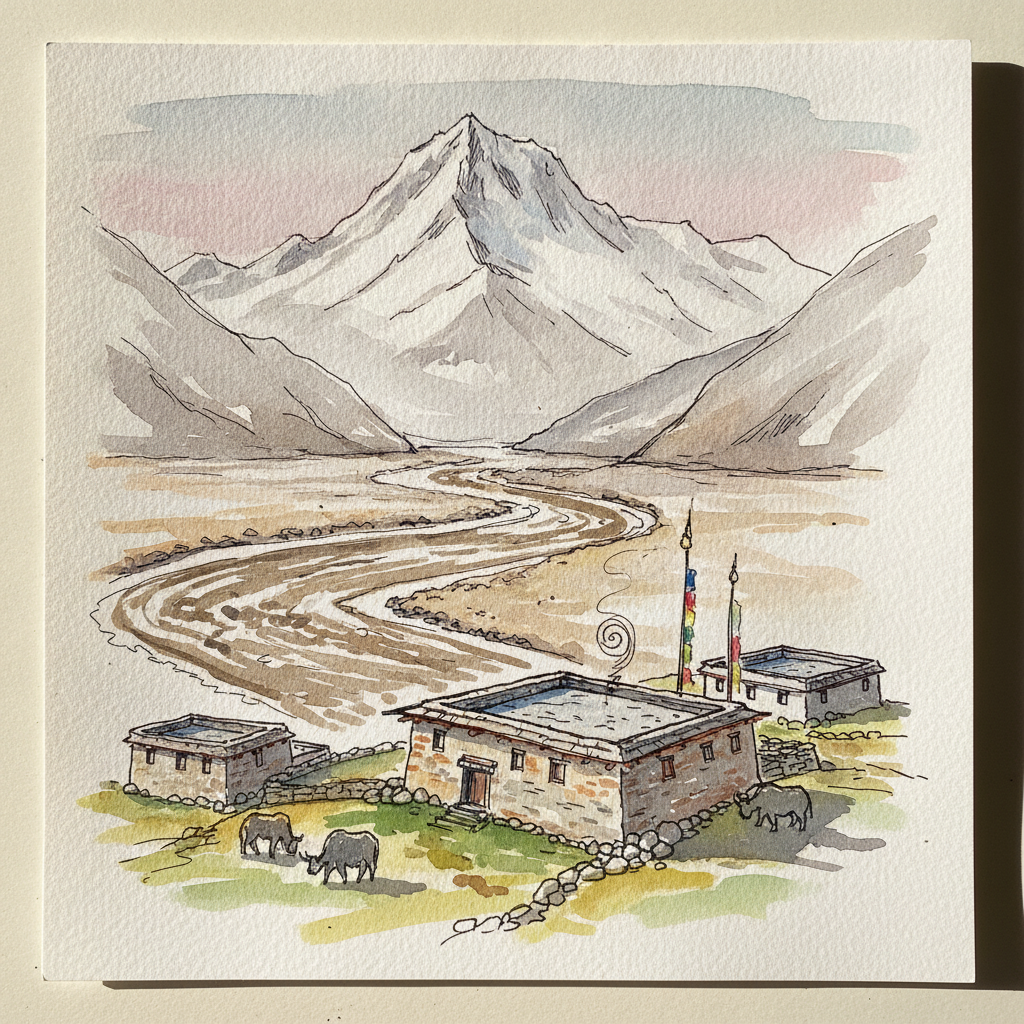
This scene is an excellent study in creating deep atmospheric perspective by contrasting sharp foreground detail with soft, distant elements. Use crisp, varying line weights to define the farmhouse and yak, then transition to lighter, broken marks to suggest the receding gorge and mountain forms. Employ broad, wet-on-wet washes to capture the thin, cold air and the cloud-capped summit, letting a delicate touch of pink illuminate the sunlit snow. Focus on maintaining distinct values between the foreground structures and the atmospheric background.
Piece 4 — Persian woman 40s cross-legged, long hair down
Pen + Watercolor · Loose pen and watercolor line-and-wash

Three takes

Focus for this piece
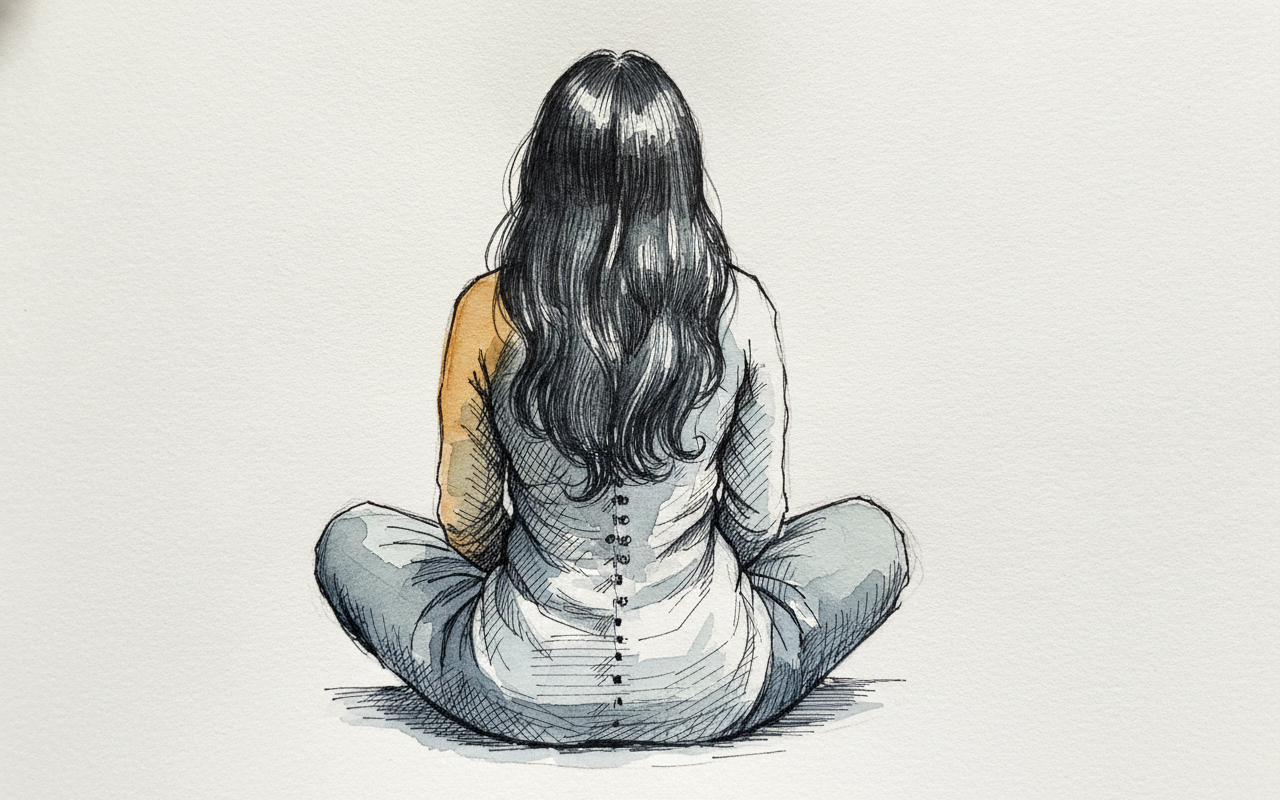
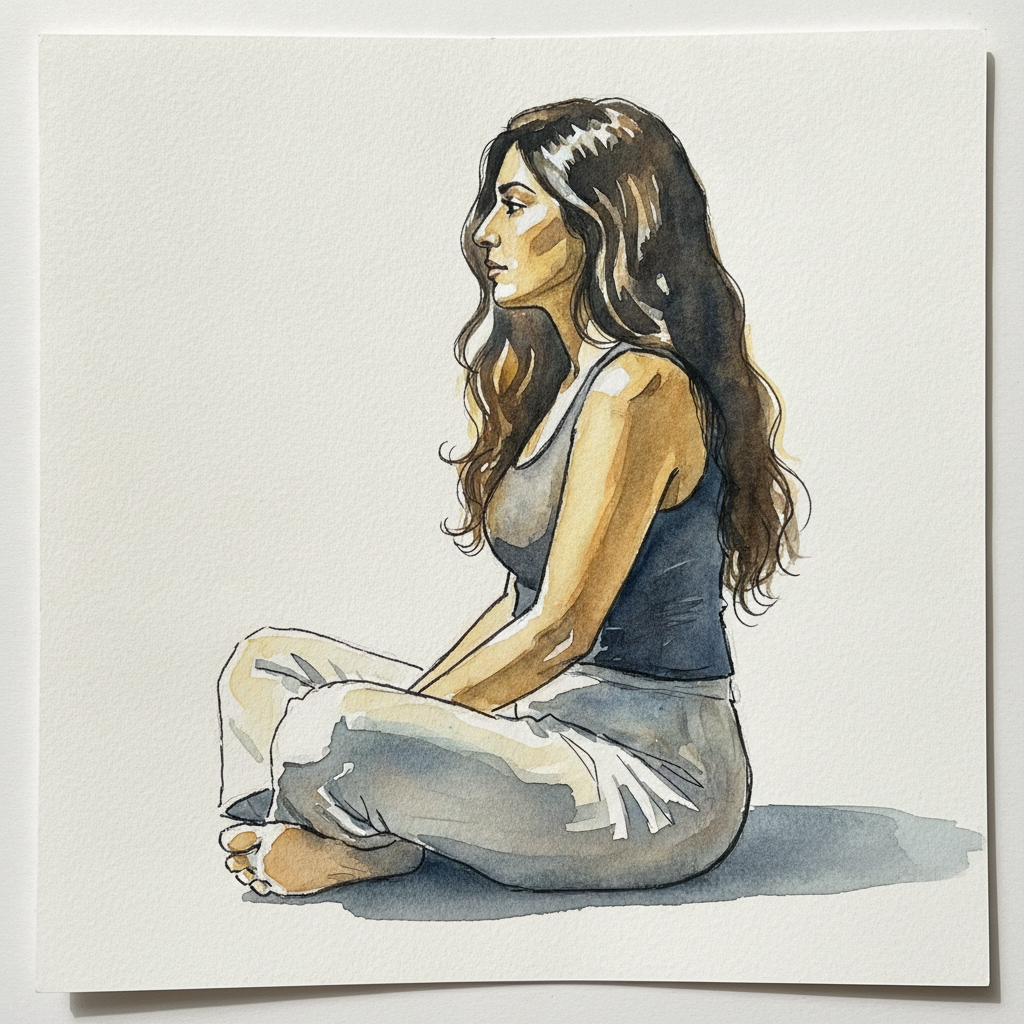
This piece offers an excellent study in rendering form through strong, side-raking light. Use varied line weights to articulate the crisp edges where light meets shadow on the shoulders and apply layered cool and warm washes to sculpt the rounded deltoids and capture the shimmering depth of her dark hair. Focus on creating distinct value contrast between the illuminated and shadowed areas, letting the watercolor do the heavy lifting for volumetric modeling.
Piece 5 — Pavilions of the Lawn, University of Virginia, Charlottesville, Virginia
Pen + Watercolor · Loose pen and watercolor line-and-wash
Three takes
Focus for this piece
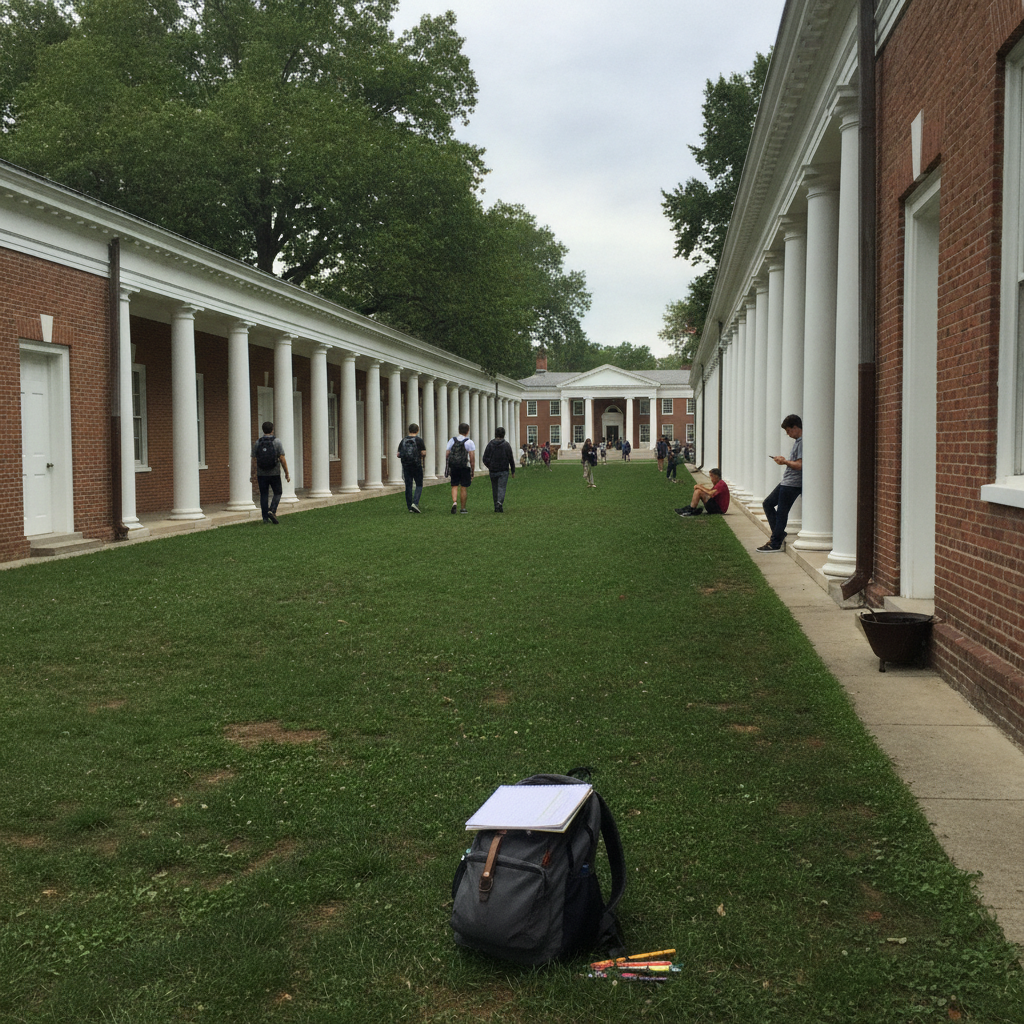
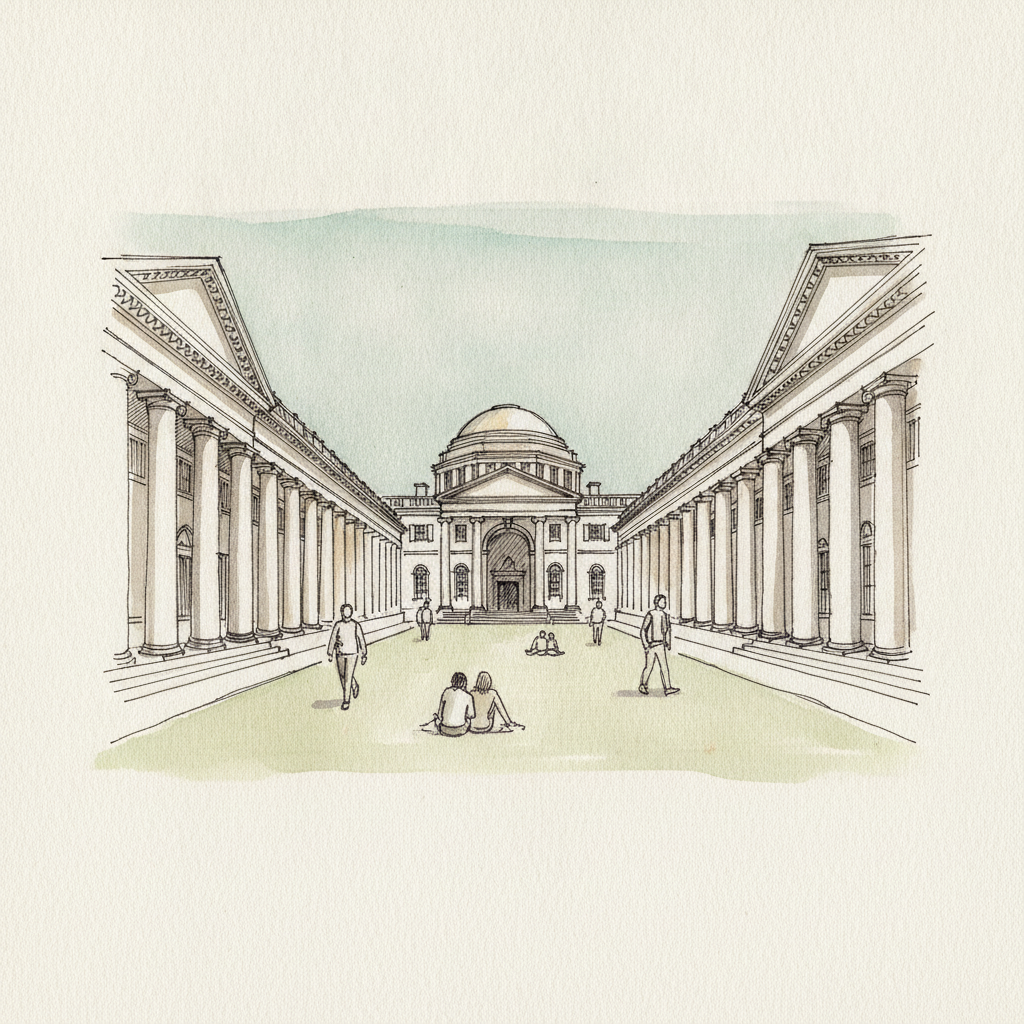
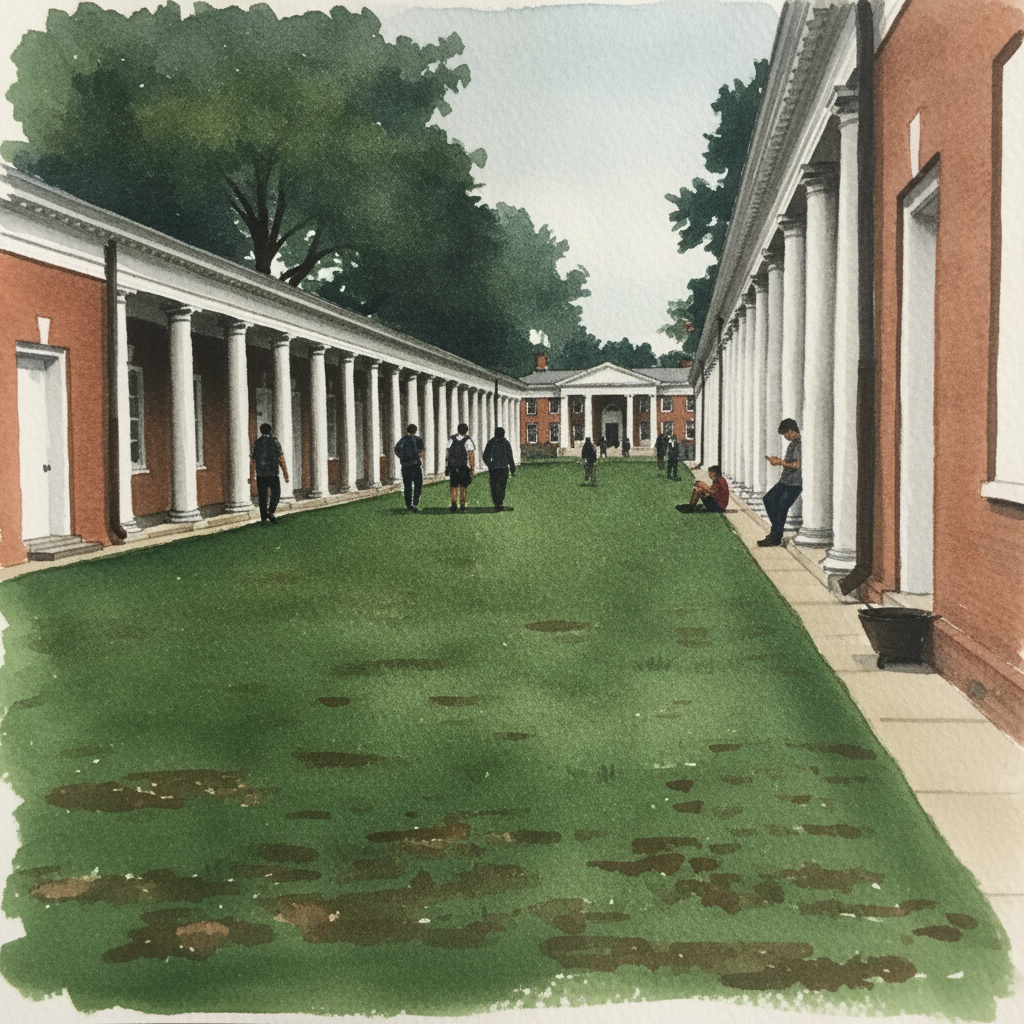
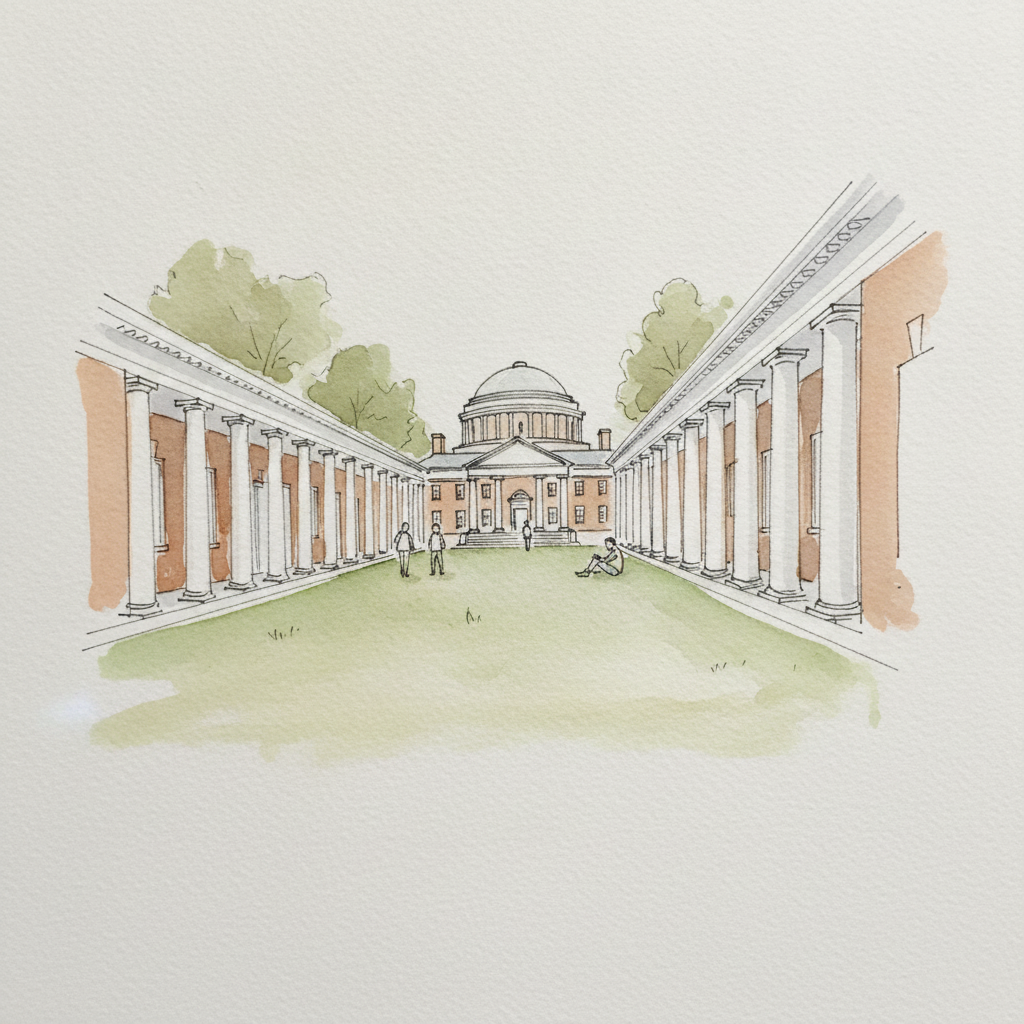
This study focuses on balancing the precision of architectural line with the expressiveness of watercolor to convey depth and form in repetitive structures. Pay close attention to varying your line weight—bolder for the foreground pavilions and their distinct classical orders, lighter for receding elements—and integrating this with soft, volumetric washes. Use warm, sunlit washes on exposed planes and cooler, diluted hues in the deep shadows of porticos and colonnades to articulate their three-dimensional presence.
Piece 6 — Kid with LEGO mess
Pen + Watercolor · Loose pen and watercolor line-and-wash

Three takes

Focus for this piece
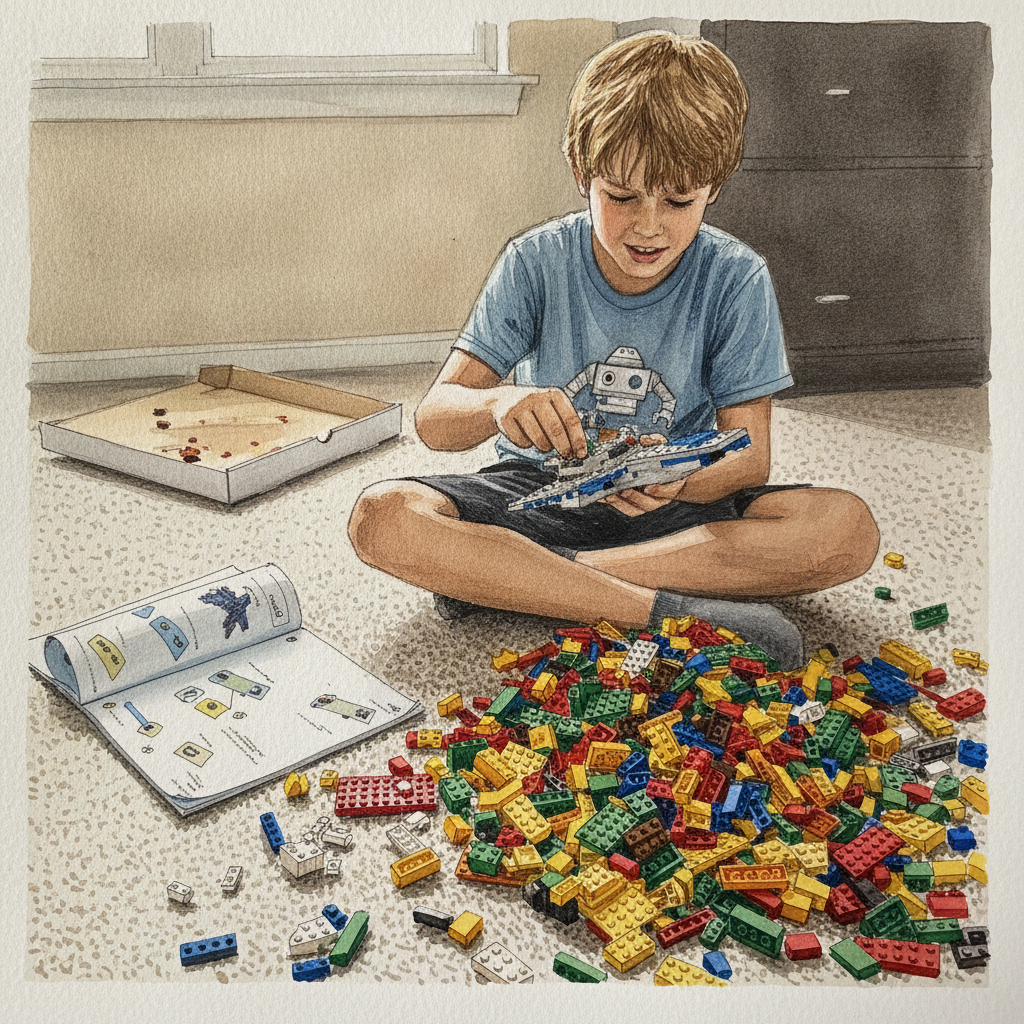
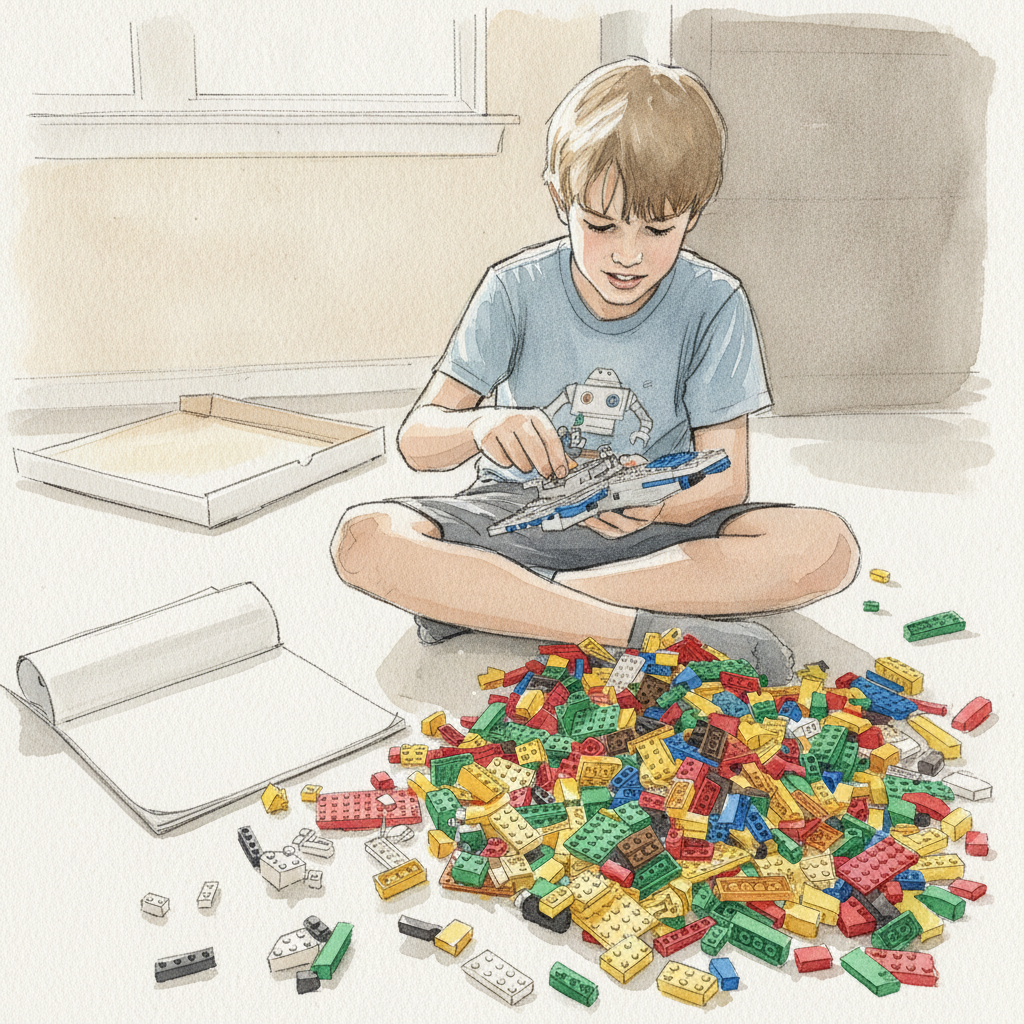
This piece offers a superb opportunity to practice managing visual chaos while maintaining a strong focal point. Use distinct, heavier lines for the boy and his partially built spaceship, reserving lighter, broken lines and soft, wet-into-wet washes to suggest the overwhelming, colorful LEGO explosion around him. Let the watercolor blend and hint at the volume of bricks without detailing every single piece, guiding the viewer's eye to the central figure.
Piece 7 — Osprey
Pen + Watercolor · Loose pen and watercolor line-and-wash
Three takes
Focus for this piece
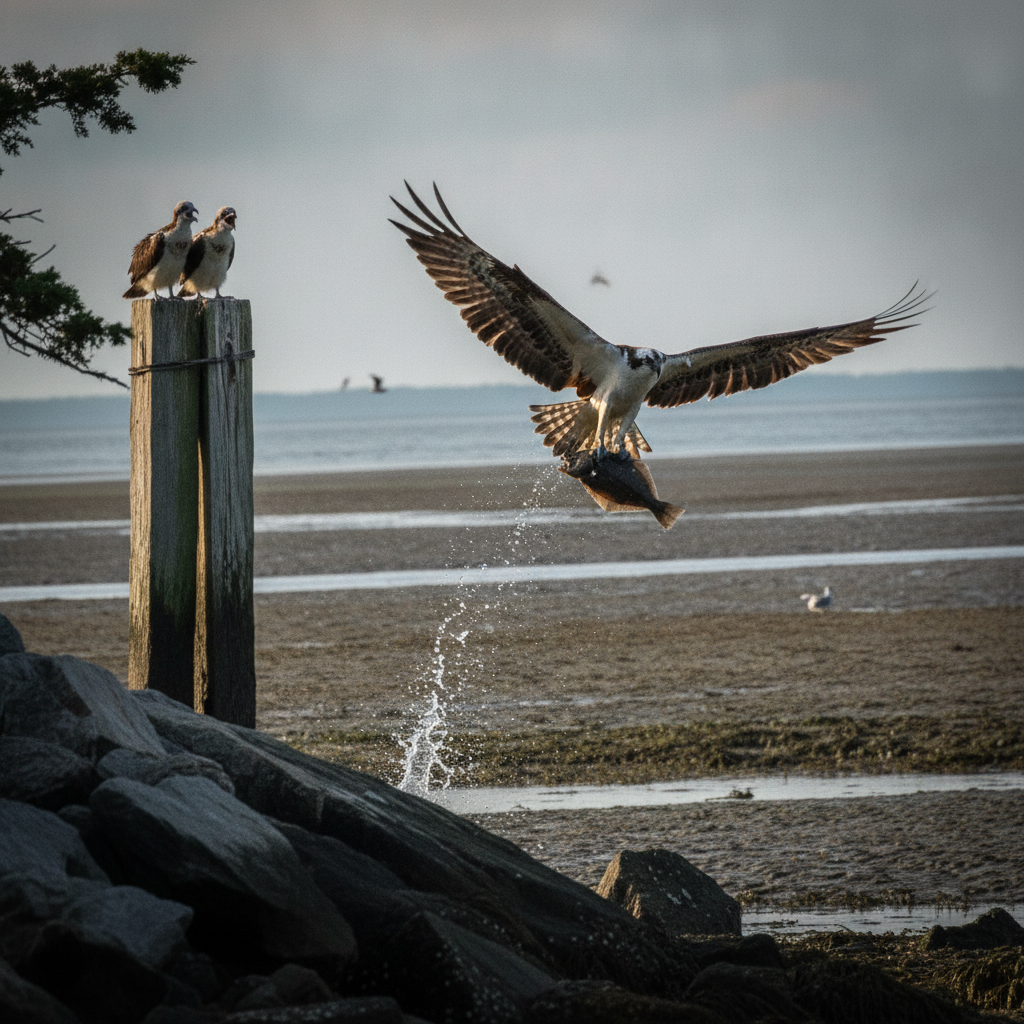
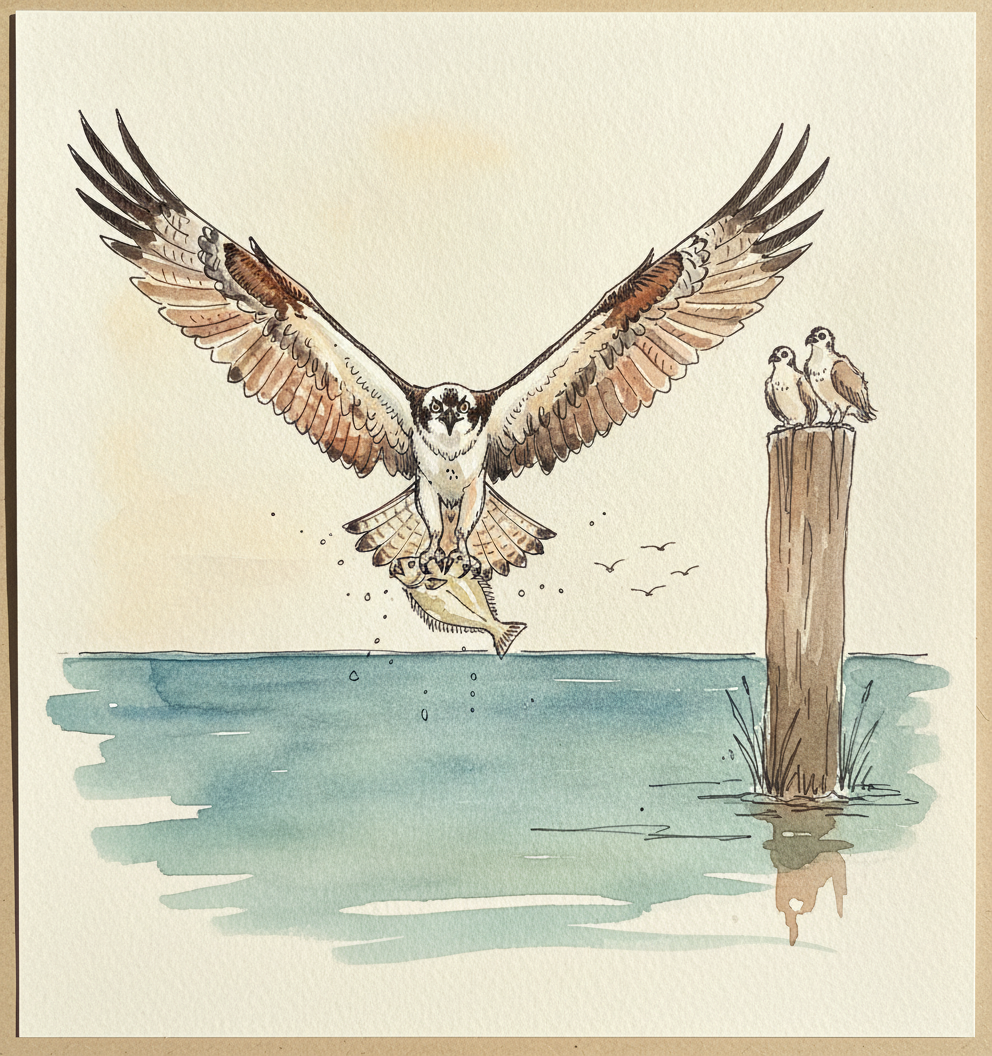
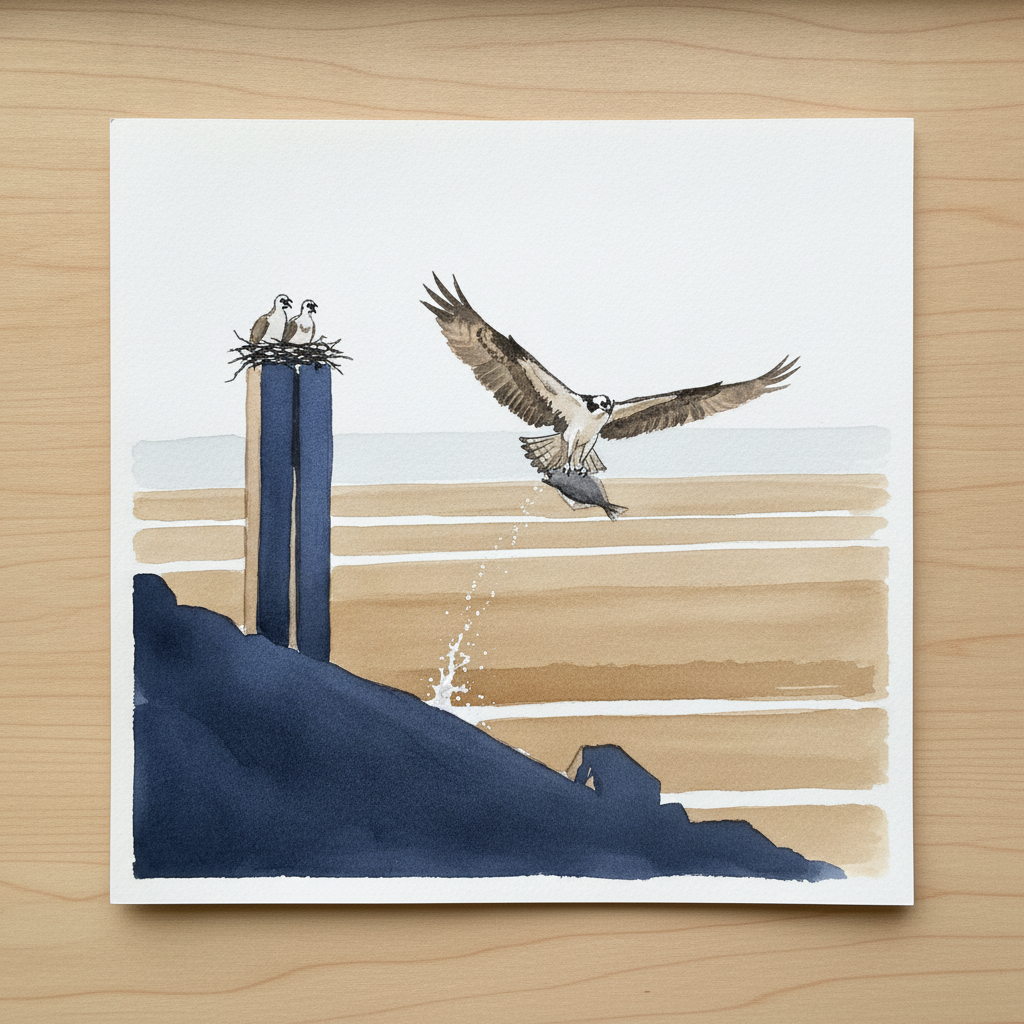
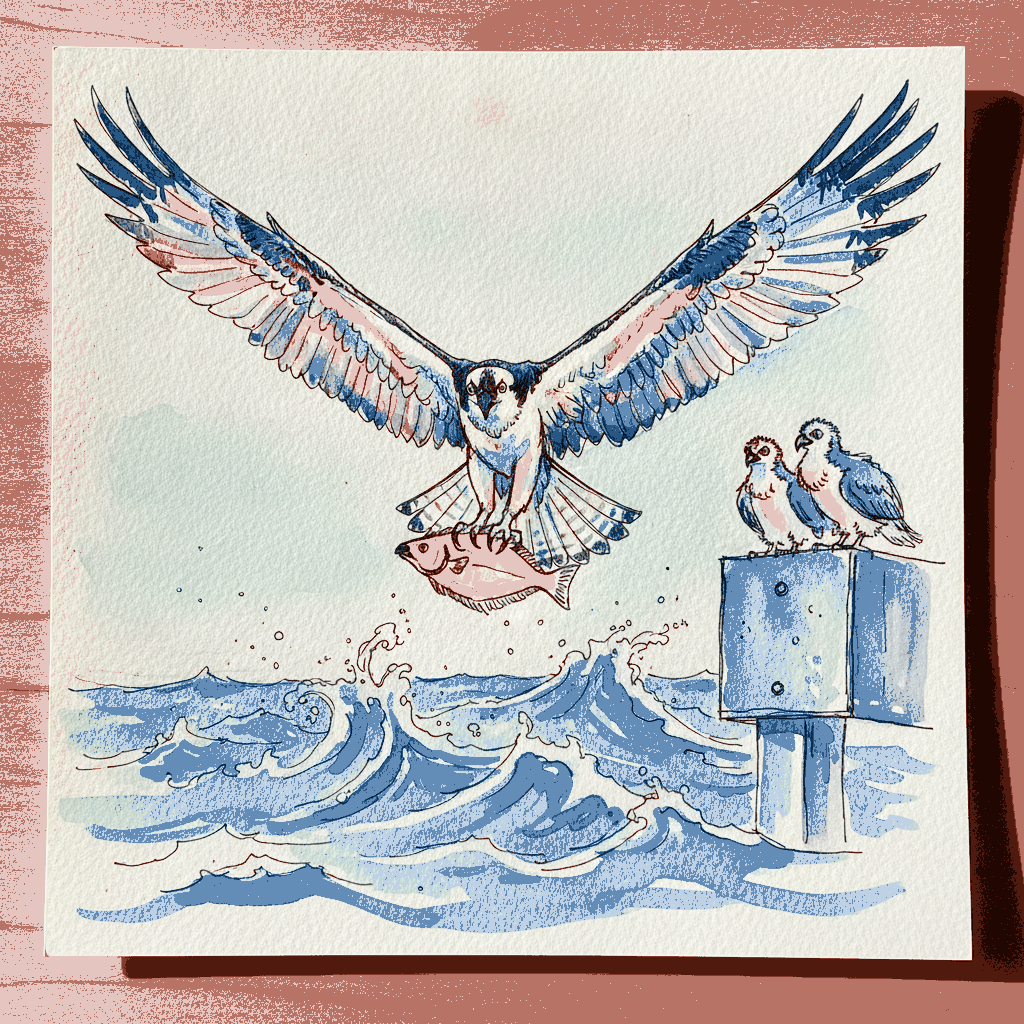
This piece is excellent for practicing how to make dynamic action feel tangible by contrasting crisp, descriptive ink lines with fluid, expressive watercolor washes. Experiment with bold, gestural lines for the osprey's form, varying line weight to suggest its powerful movement and the delicate fish. Use wet-into-wet techniques to capture the ephemeral spray and streaming water. Ensure the bright, sunlit white plumage remains luminous against its surroundings through careful preservation or lifting.
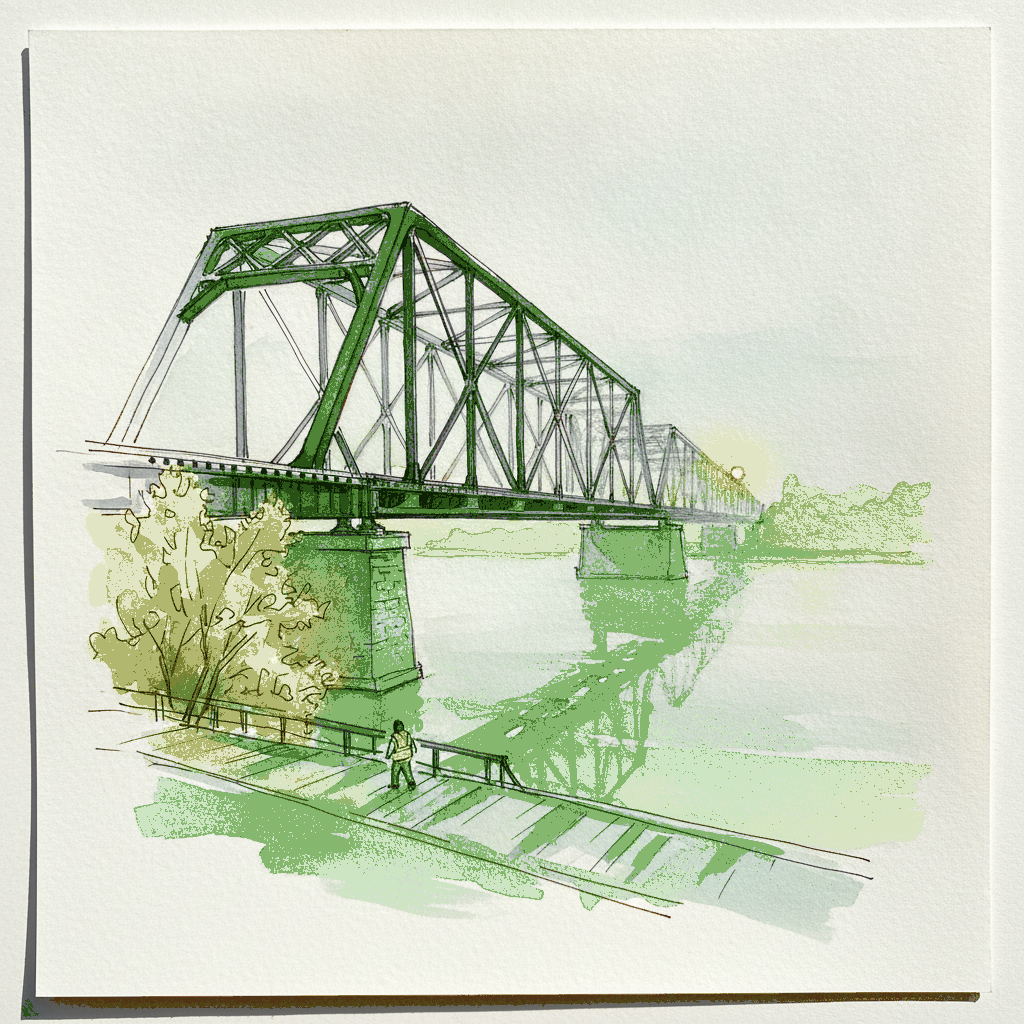
Piece 8 — Hudson Through-Truss in Fog
Pen + Watercolor · Loose pen and watercolor line-and-wash
Three takes

Focus for this piece
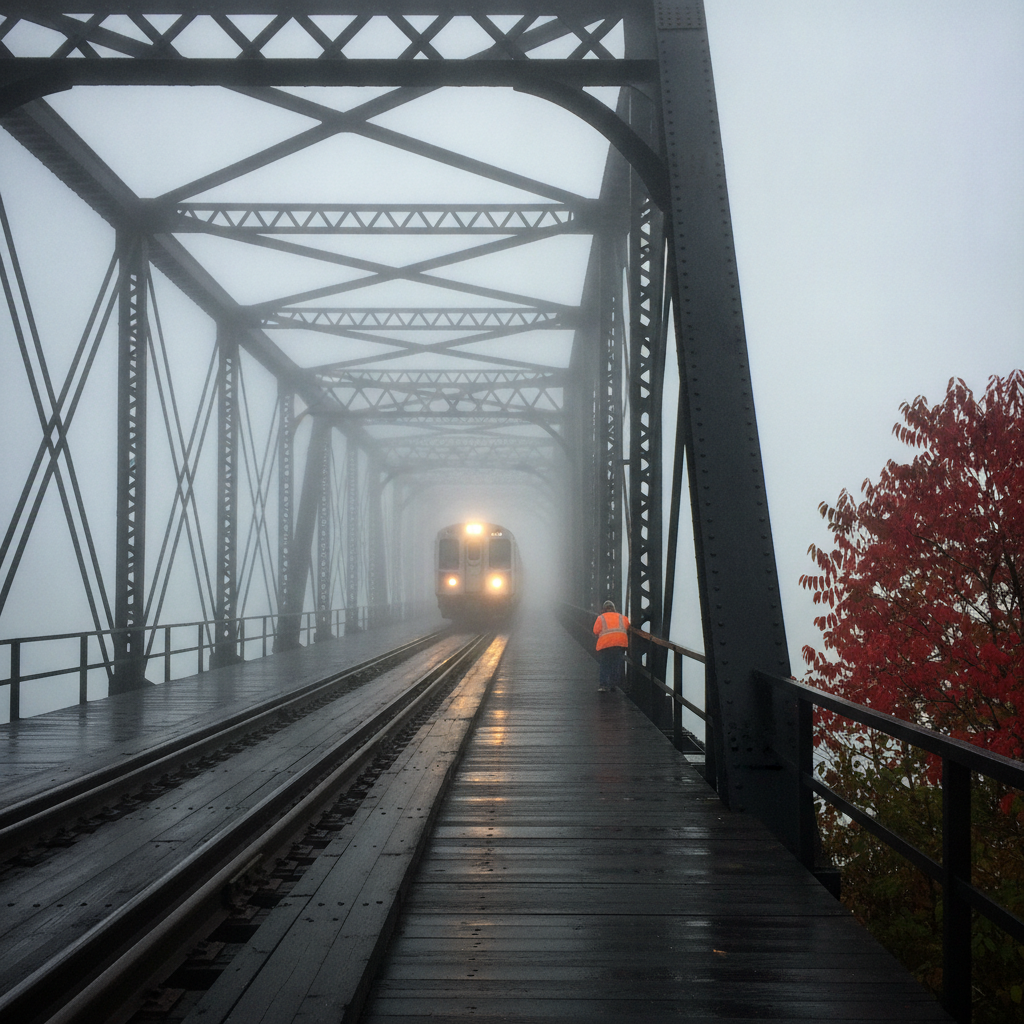
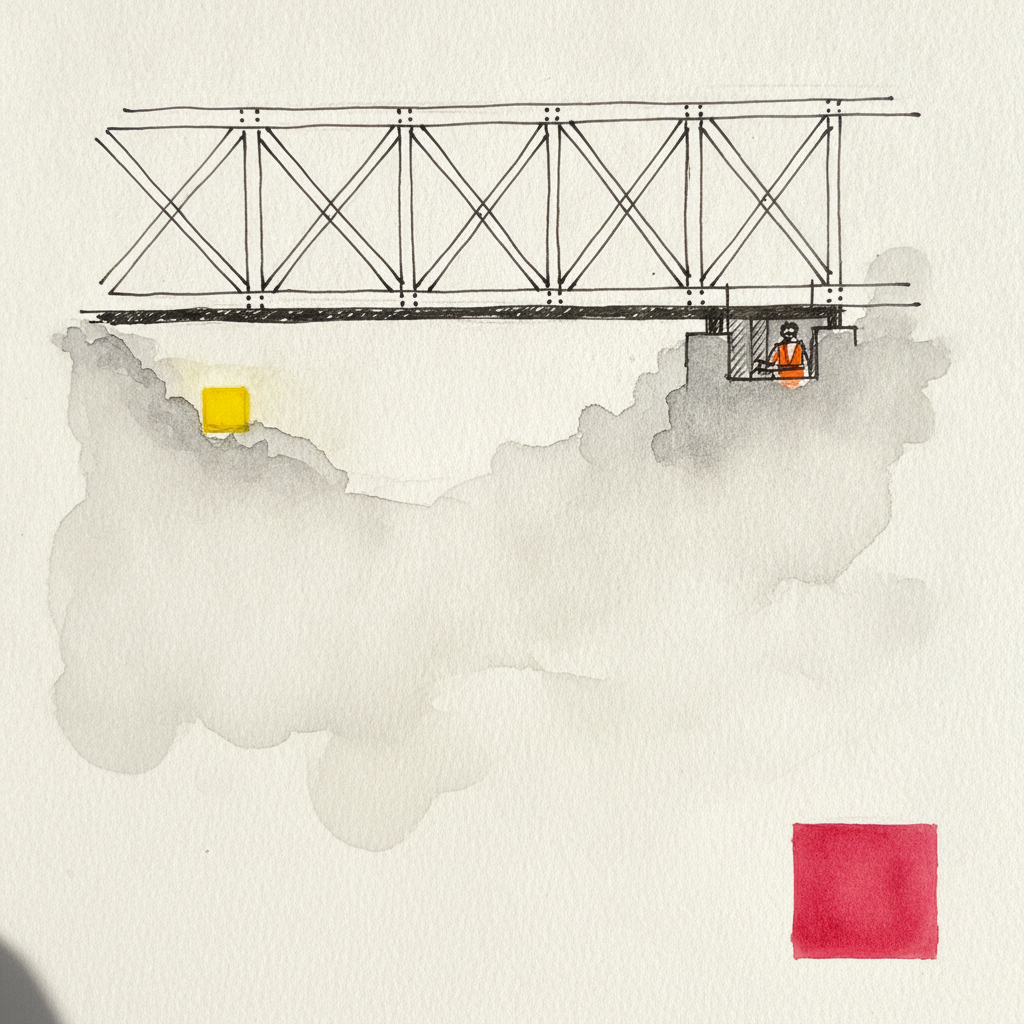
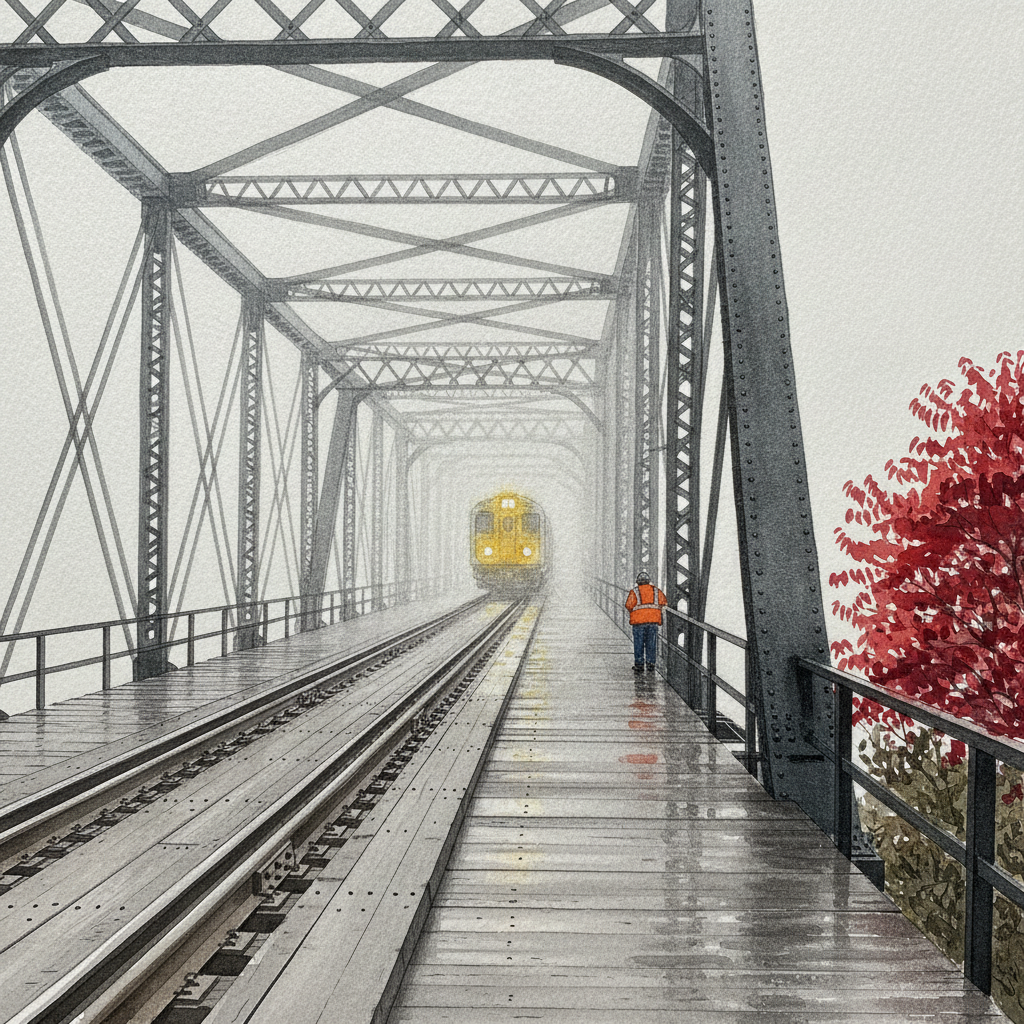
This piece provides a focused study in depicting atmospheric depth and the selective clarity of objects in fog. Concentrate on establishing the geometric structure of the upper truss with clear, confident pen lines and distinct rivet patterns. Then, use soft, light-value watercolor washes, applied wet-into-wet, to dissolve the lower bridge and water into a seamless 'pearl' blend. The key is contrasting sharp pen-and-wash edges where structure emerges with completely lost edges where it vanishes into the mist.