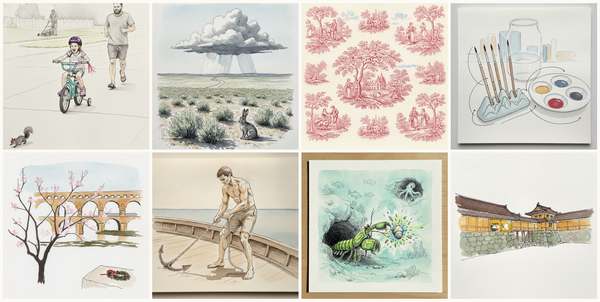
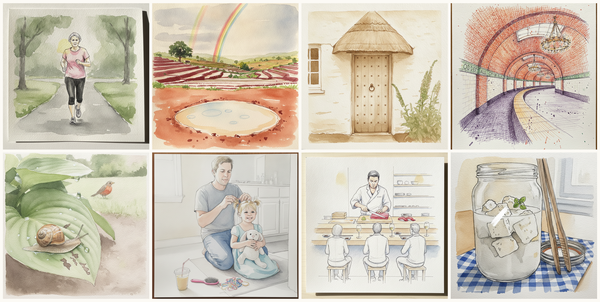
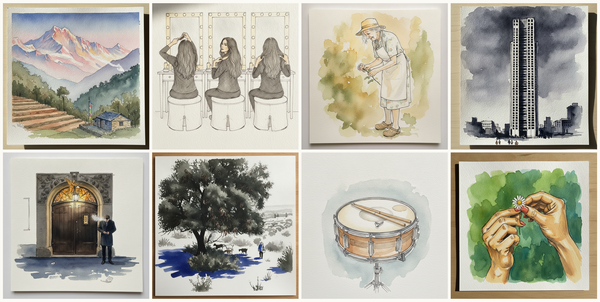
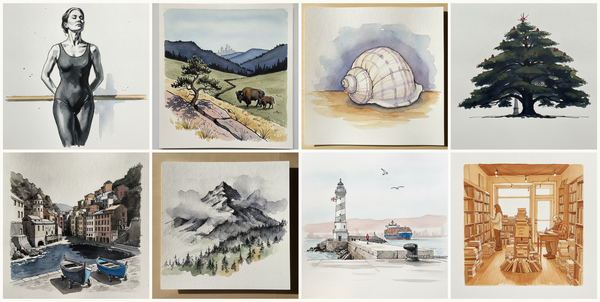
Banquet cloth with formal place setting, Yokohama Harbor District Pole, Young dancer with one arm extended, Provincetown Cape Cod harbor, USA, and more — pen + watercolor for July 25, 2026
AI-generated daily art-practice references for pen and watercolor: Banquet cloth with formal place setting, Yokohama Harbor District Pole, Young dancer with one arm extended, Provincetown Cape Cod harbor, USA, New Lab, Brooklyn Navy Yard, Brooklyn, New York, USA, Cheese board with grapes, Eggbeat…
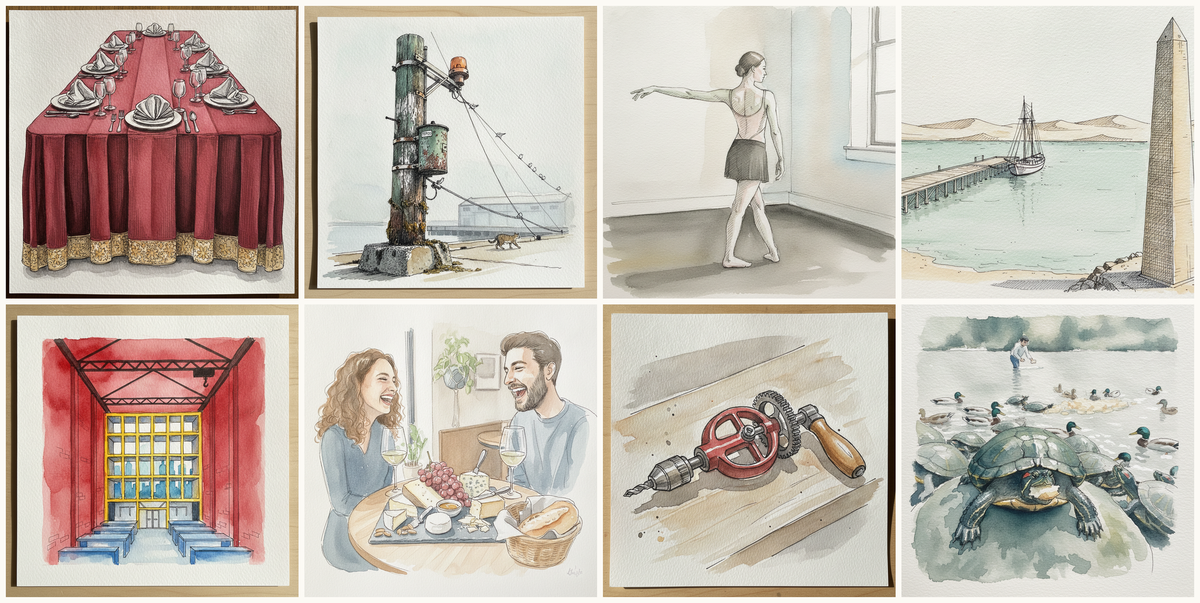
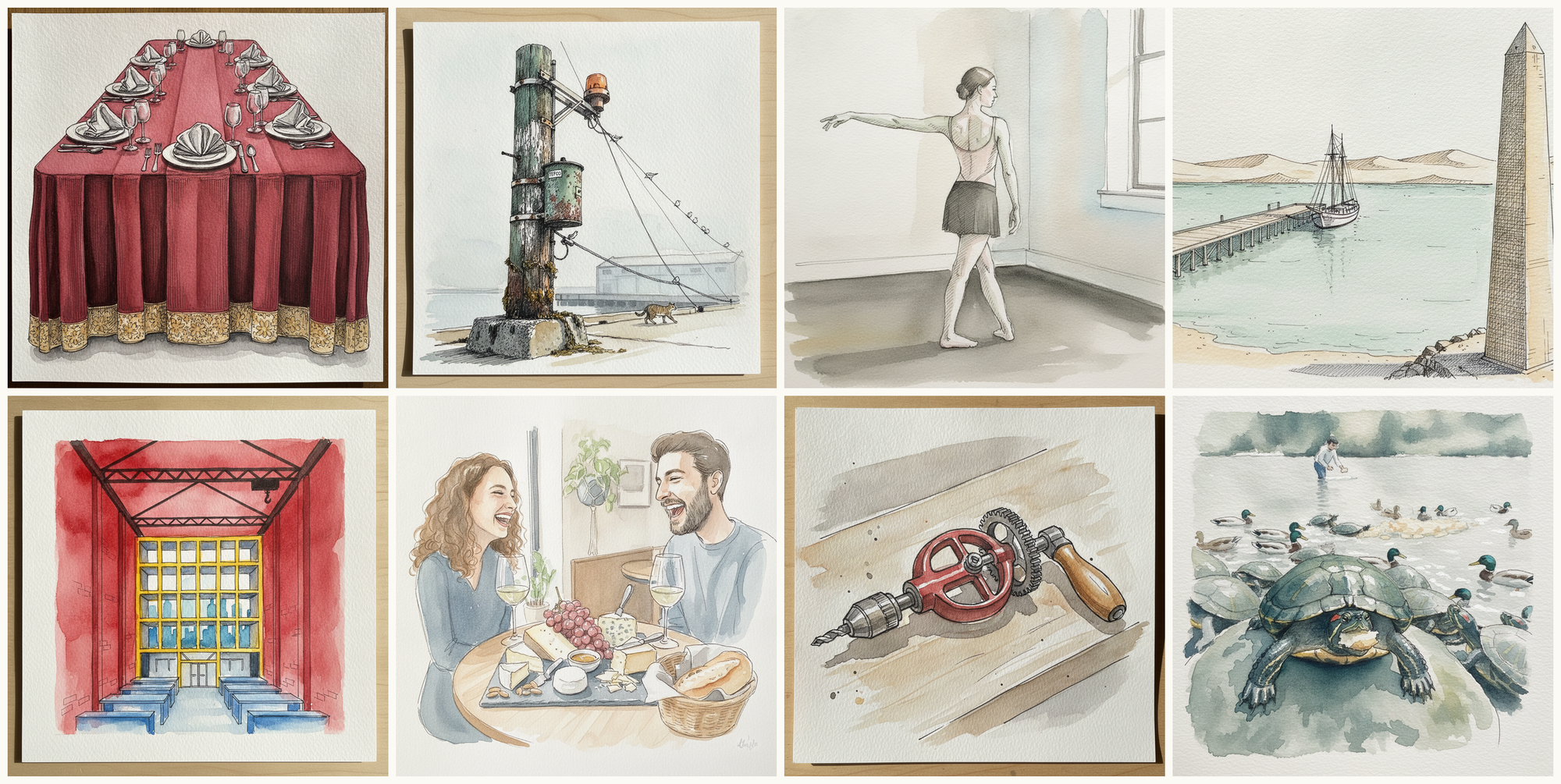
Today's 8 pen-and-watercolor pieces: Banquet cloth with formal place setting, Yokohama Harbor District Pole, Young dancer with one arm extended, Provincetown Cape Cod harbor, USA, New Lab, Brooklyn Navy Yard, Brooklyn, New York, USA, Cheese board with grapes, Eggbeater hand drill, Red-eared slider. Each piece comes with an AI-generated photoreal reference, three AI-generated example artworks in different treatments, and a short focus paragraph naming what to study in this one.
Why these references use AI
This daily series uses AI-generated images as practice prompts, not as finished artwork to copy. Each subject starts with a synthetic photoreal reference generated with Gemini/Nano Banana, then moves into three pen-and-watercolor interpretations of the same subject.
I use AI here because daily art practice needs variety and low friction. Real life can get repetitive, busy, or visually narrow. These generated reference sets make it easier to study bodies, buildings, animals, landscapes, objects, gestures, light, palettes, and compositions that might not show up in an ordinary day.
The goal is not to reproduce any image directly. Treat each set as a starting point for observation and study: choose what interests you, change the framing, simplify the subject, alter the palette, and make your own version.
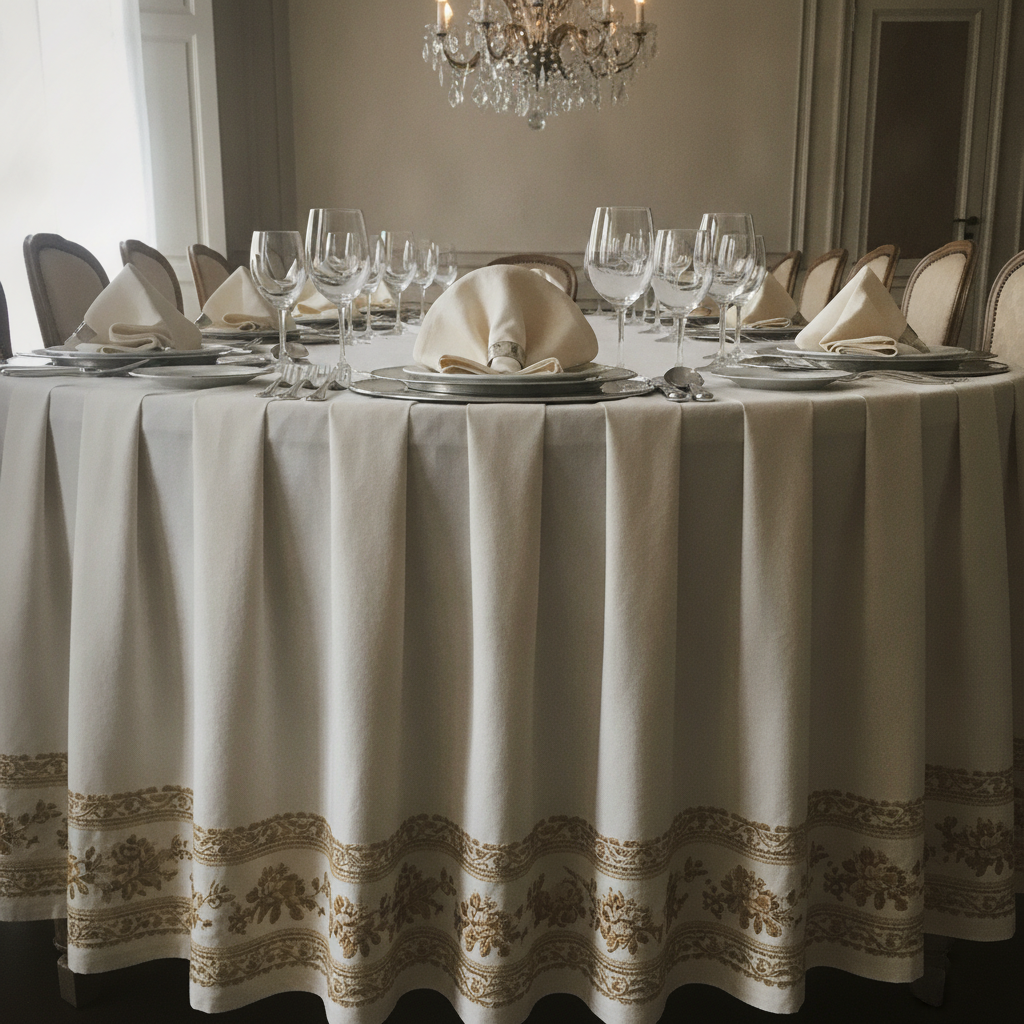
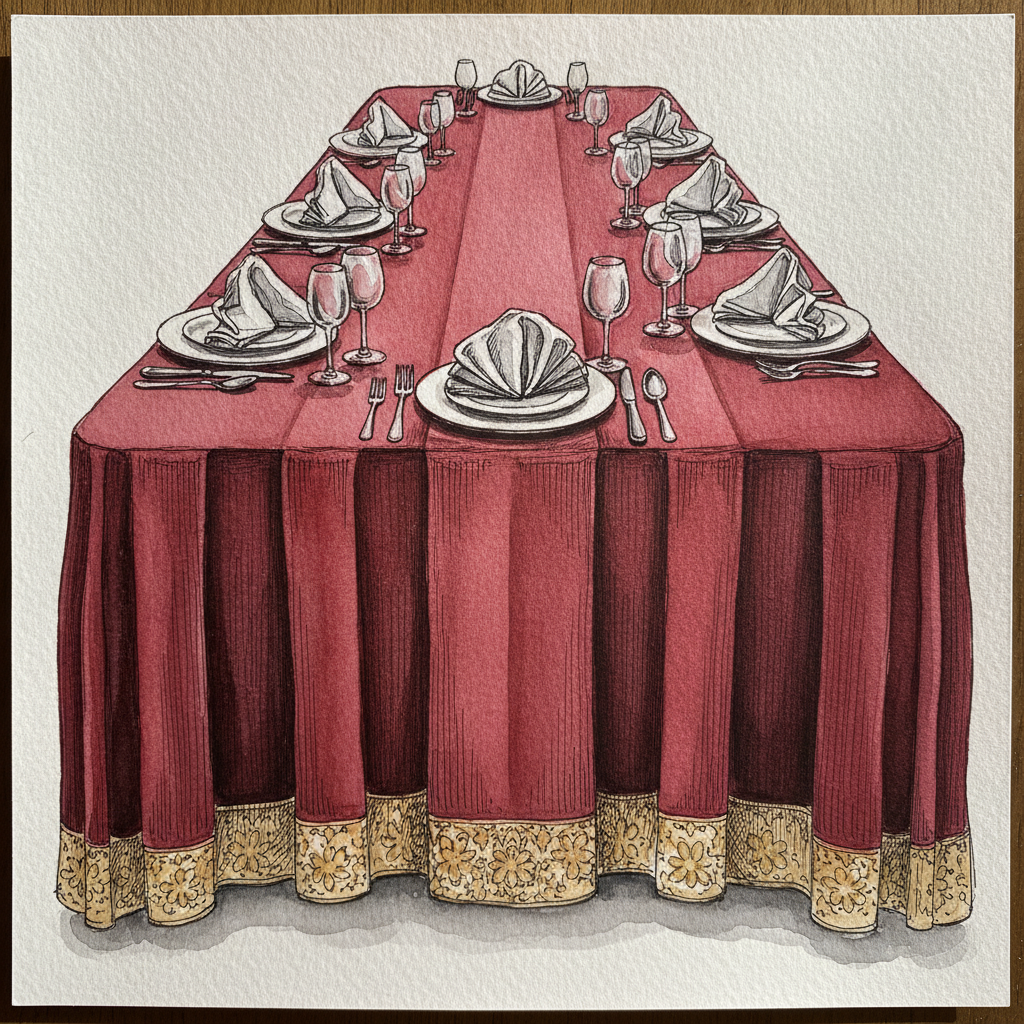
Piece 1 — Banquet cloth with formal place setting
Pen + Watercolor · Loose pen and watercolor line-and-wash
Three takes
Focus for this piece
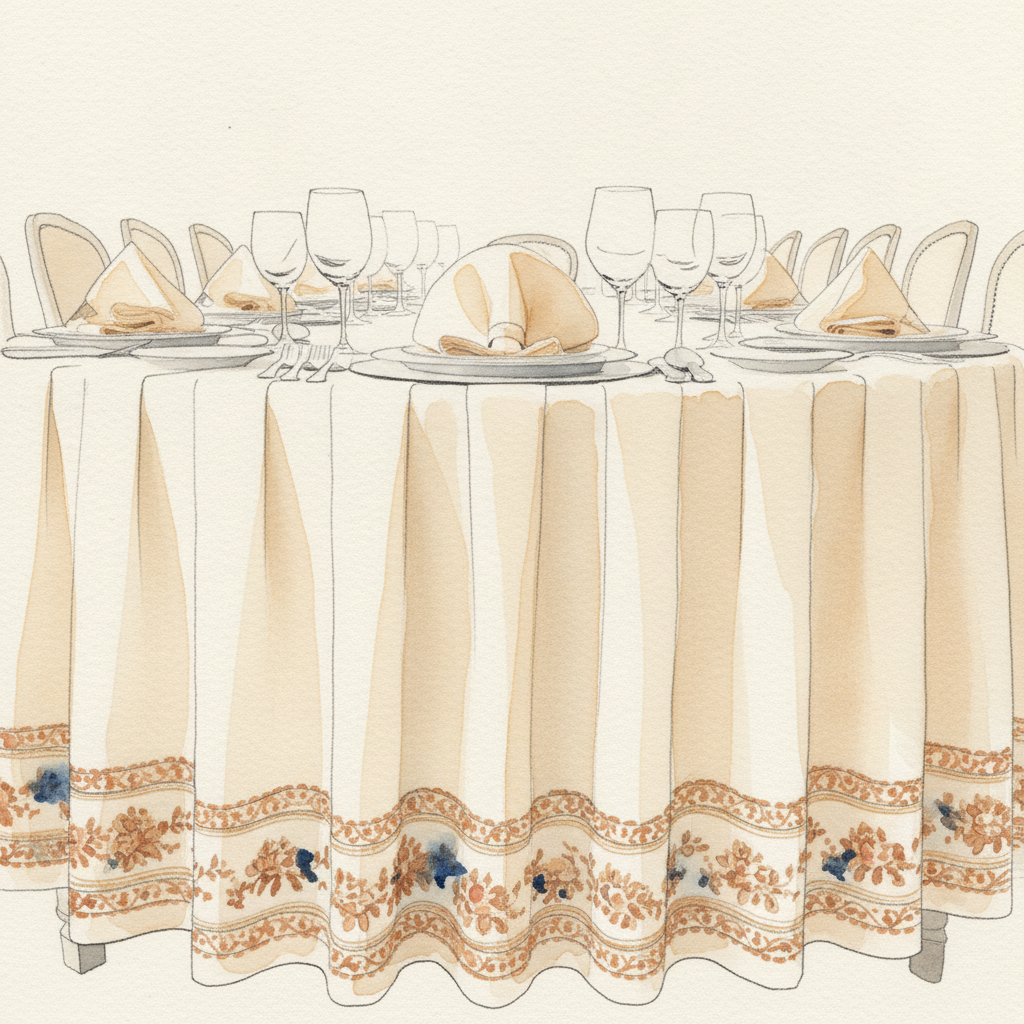
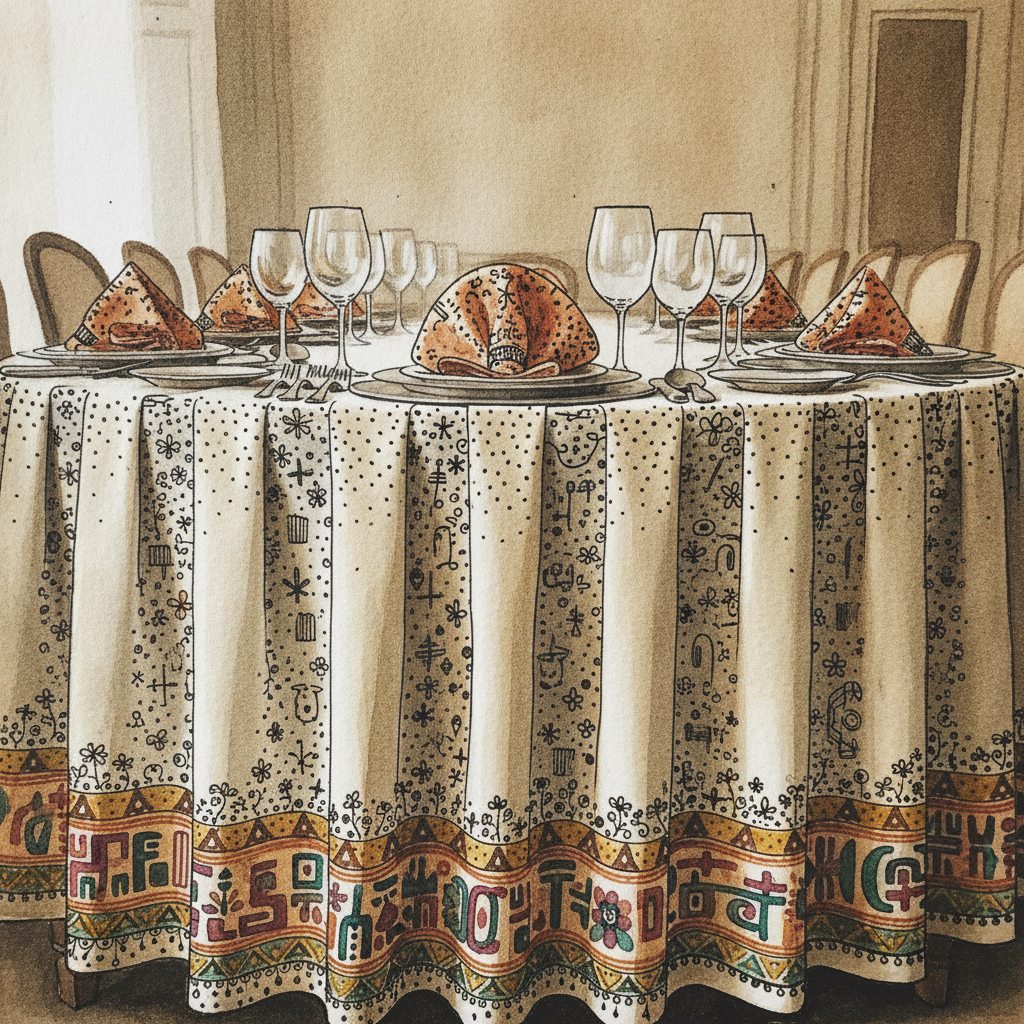
This piece offers a superb opportunity to practice defining both crisp structure and soft volume. Establish the disciplined, repetitive vertical folds of the cloth and the crisp edges of the place settings with varied, confident pen lines, using a heavier weight for the embroidered border. Then, use expansive, single-pigment washes to capture the dramatic chandelier lighting, letting the fluid watercolor sculpt the cloth's overall form and the nuanced, organic shapes of the crumpled napkins.
Piece 2 — Yokohama Harbor District Pole
Pen + Watercolor · Loose pen and watercolor line-and-wash
Three takes
Focus for this piece
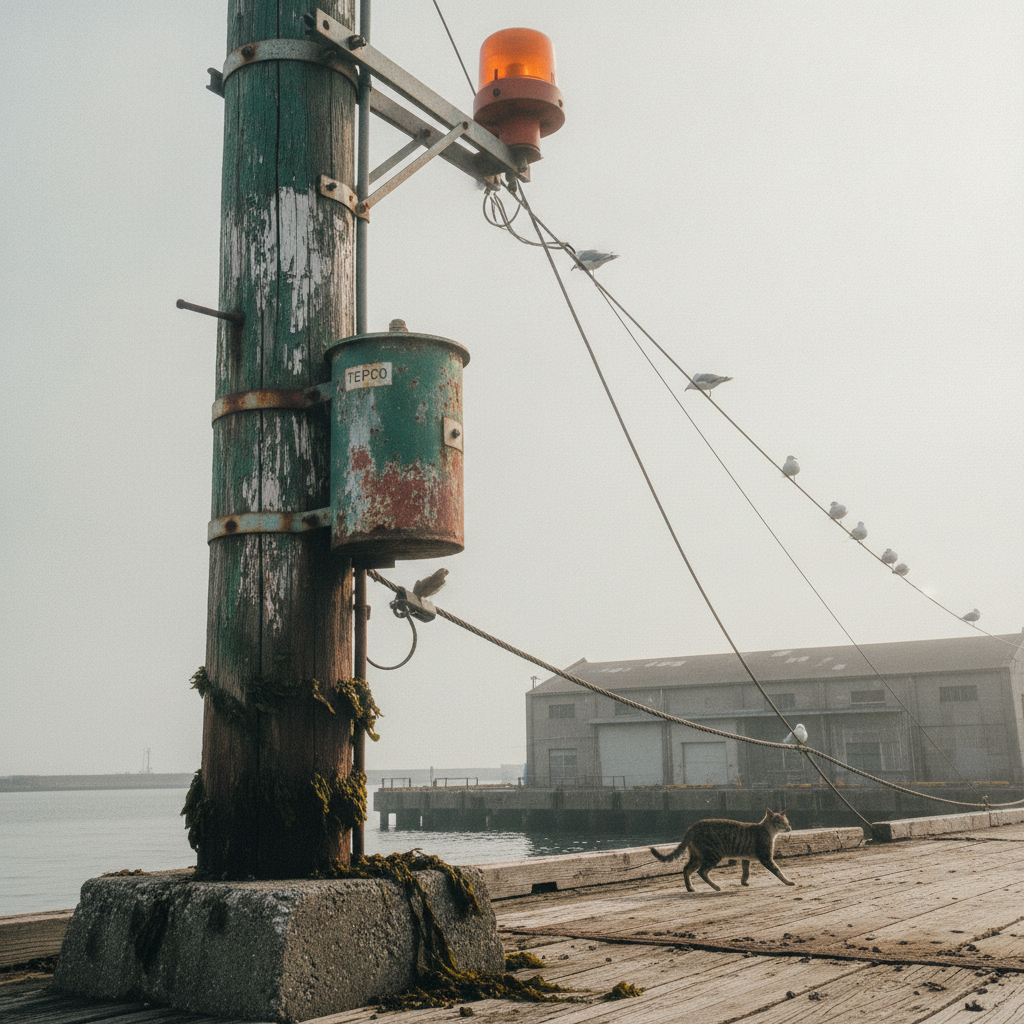
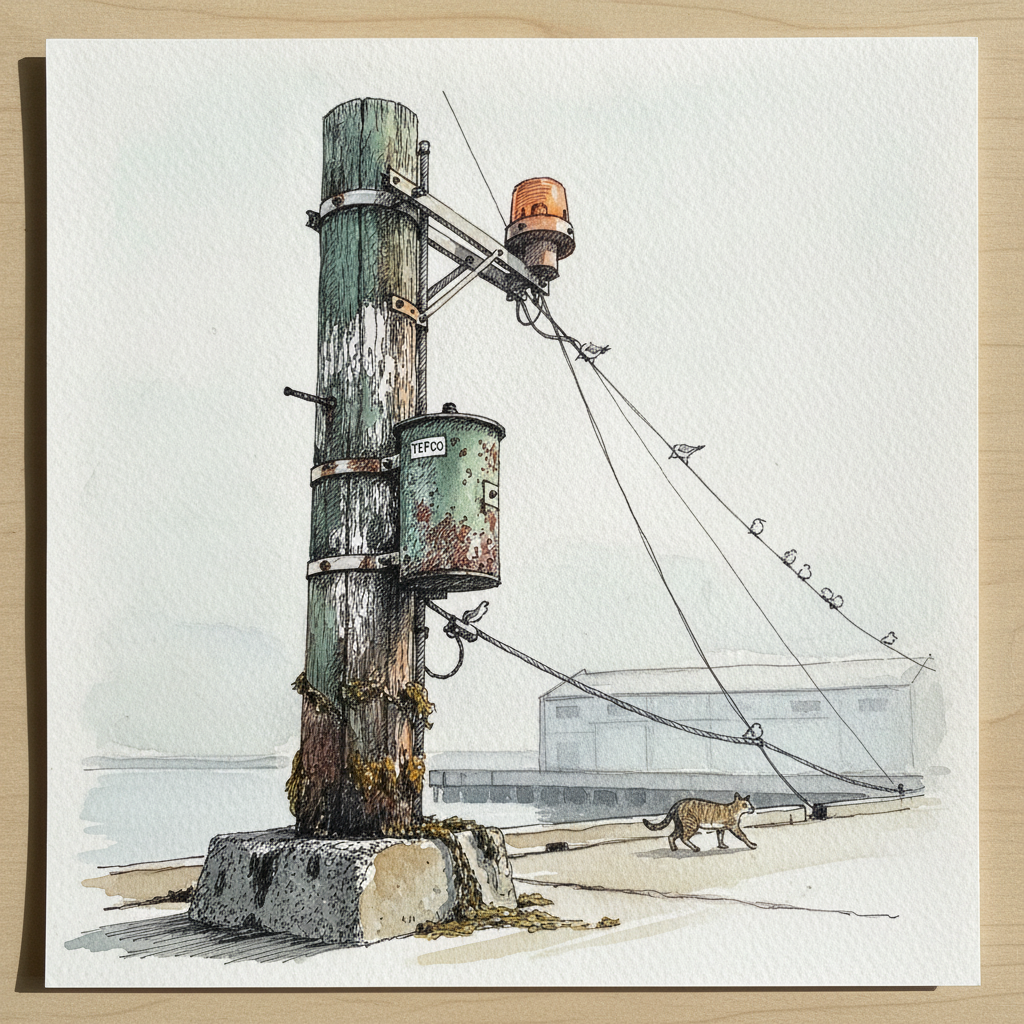
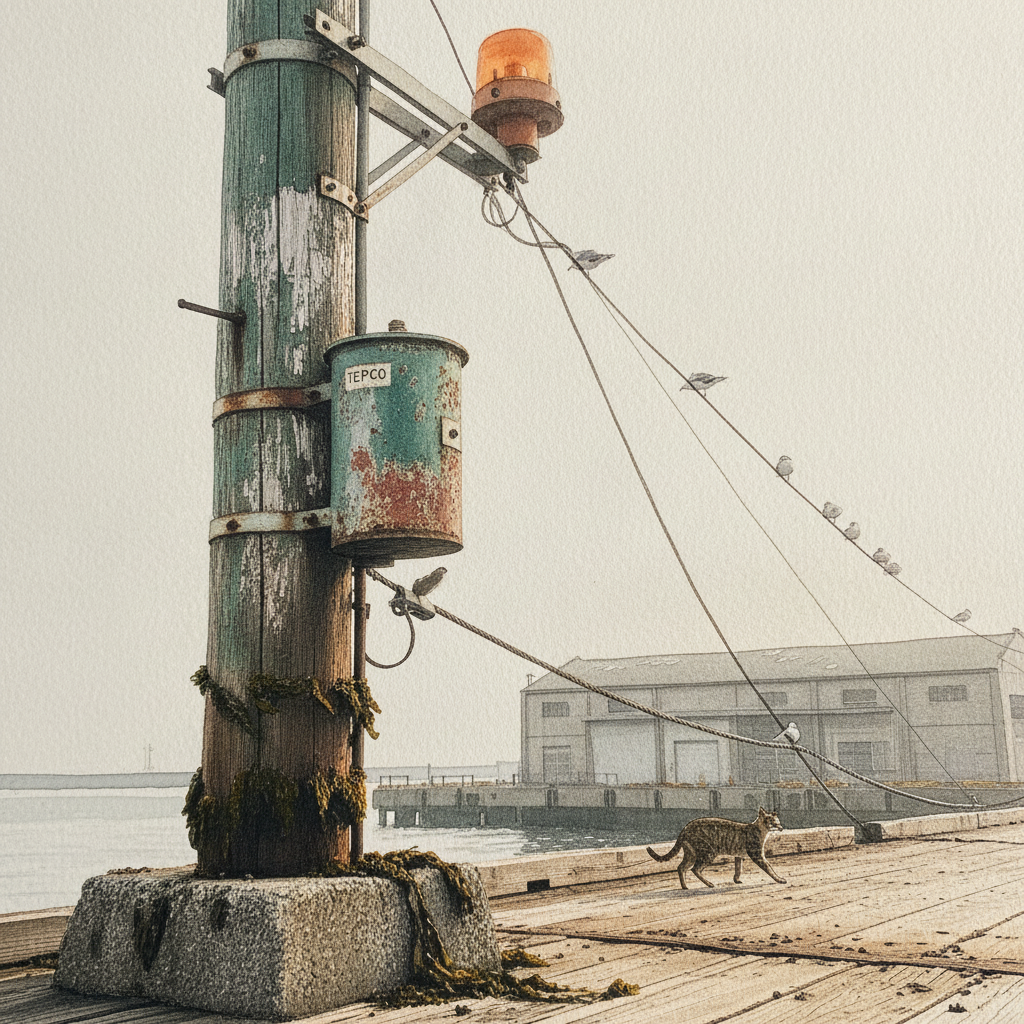
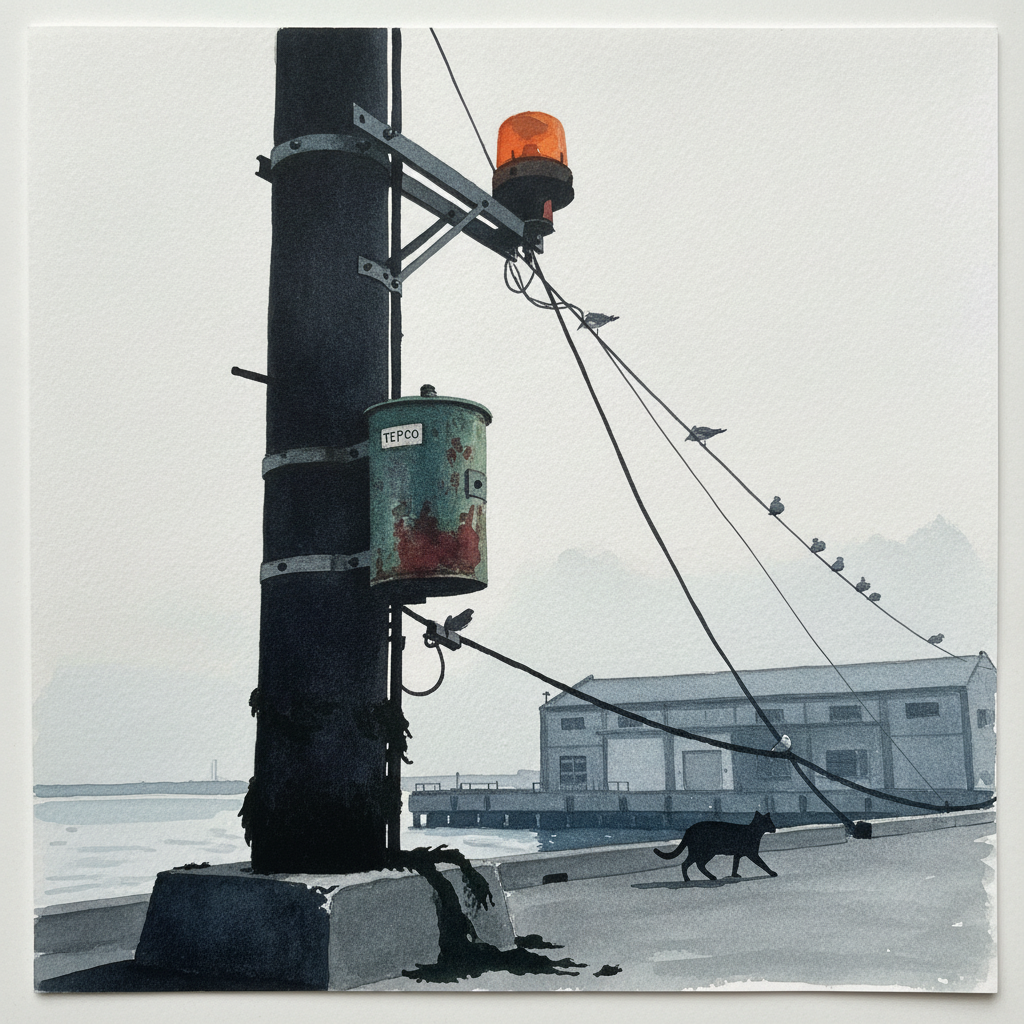
This Yokohama harbor scene offers a compelling study in contrasting textures and atmospheric light. Focus on varying your pen lines—from the bold strokes defining the weathered pole and corroded transformer to the fine depiction of sagging cables and barnacle detail—to articulate both structure and decay. Use soft, wet-into-wet watercolor washes to capture the silver mist and aged surfaces, reserving a sharp, bright orange for the navigation light to create a vibrant focal point.
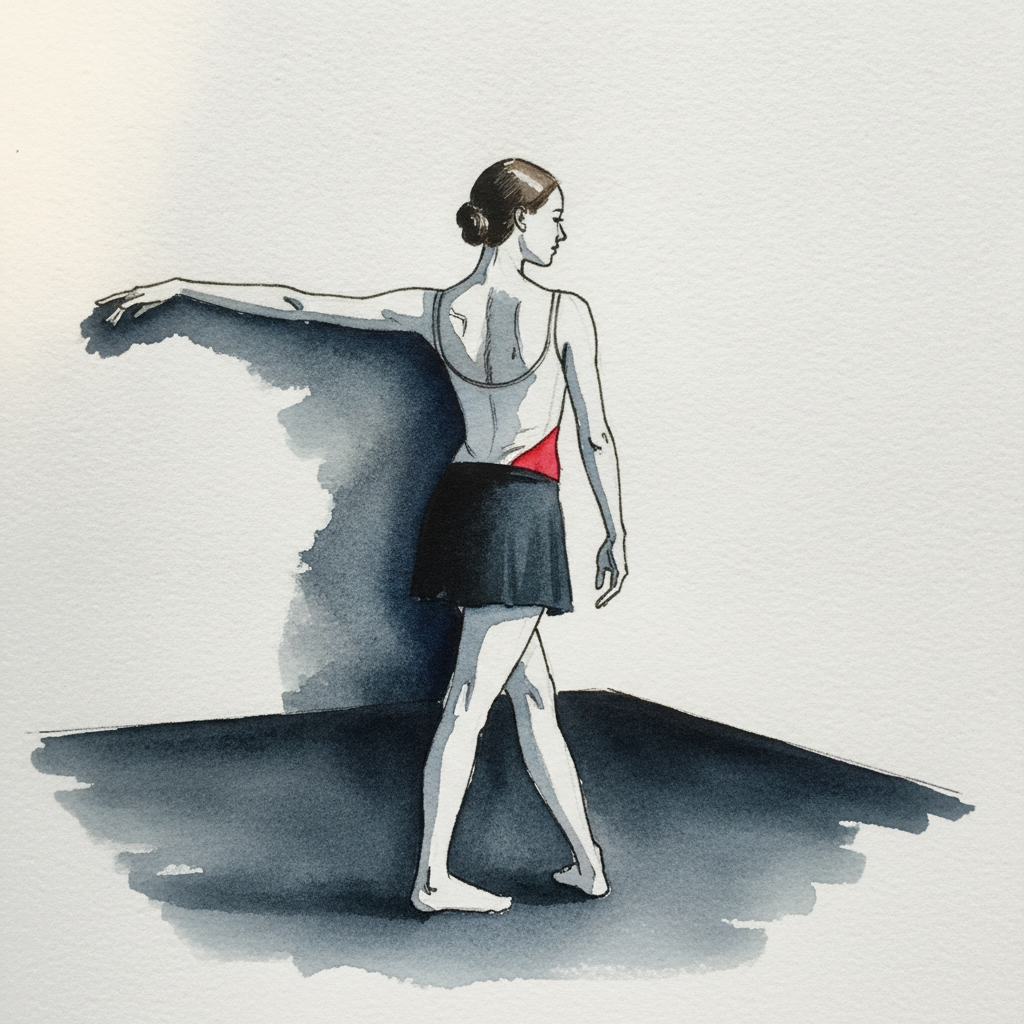
Piece 3 — Young dancer with one arm extended
Pen + Watercolor · Loose pen and watercolor line-and-wash
Three takes
Focus for this piece
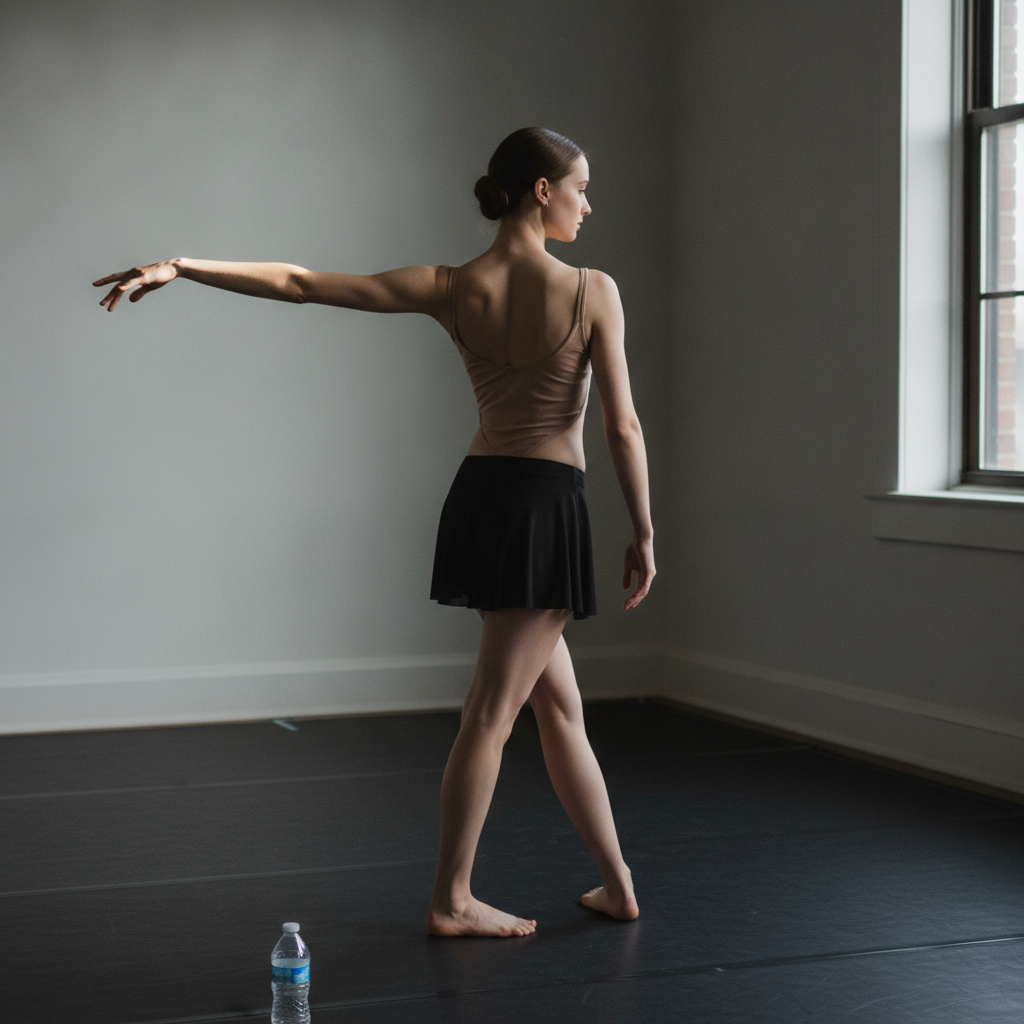
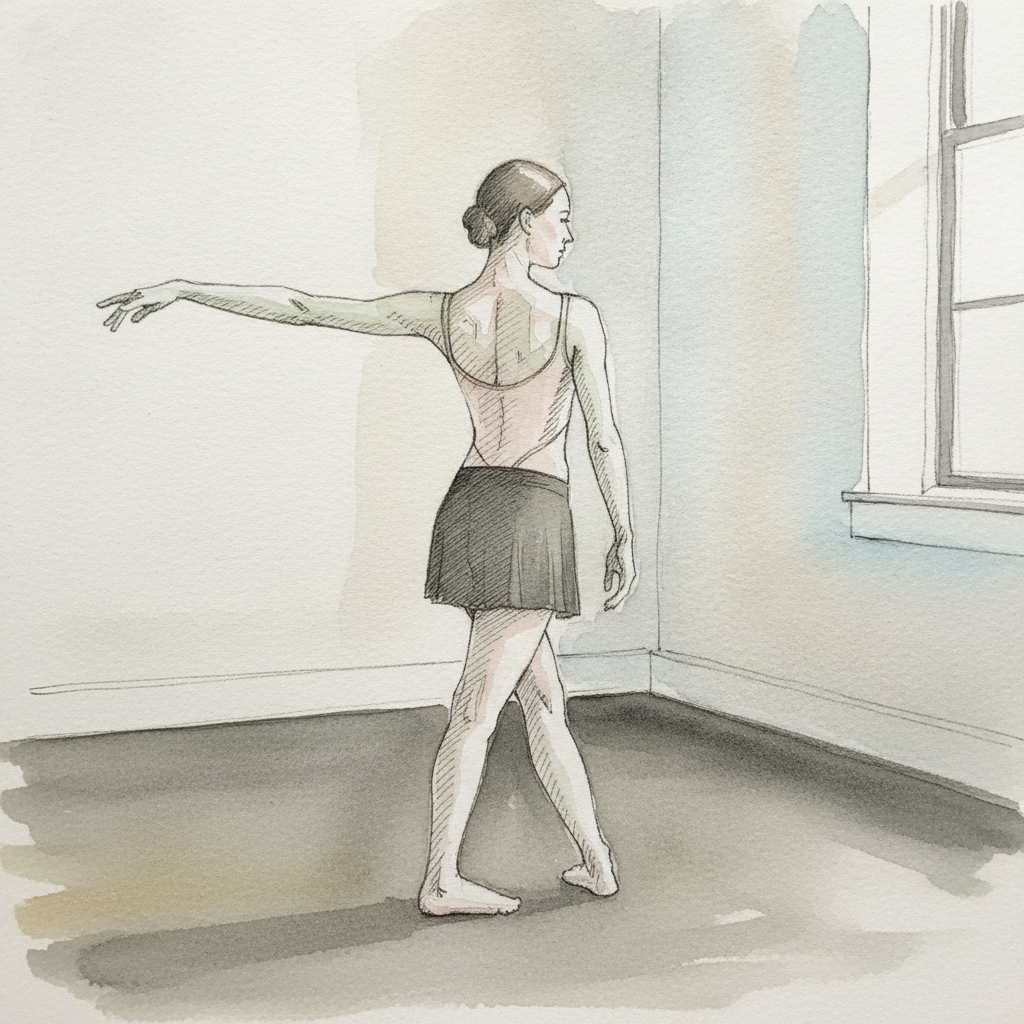
This piece is an excellent study in rendering dynamic human form, specifically how precise pen work defines structure while atmospheric washes build volume. Use varied line weights to articulate the dancer's lean build, emphasizing the long lines and the elegant S-curve of her spine, especially where the extended arm creates a compelling horizontal element. Then, employ cool, subtle wet-on-wet washes to model the form, paying particular attention to the sidelit highlights on the arm and the delicate shadows in the spinal trough. Let the fluid washes suggest soft transitions and atmospheric depth, using minimal detail to capture the pose's fluidity.
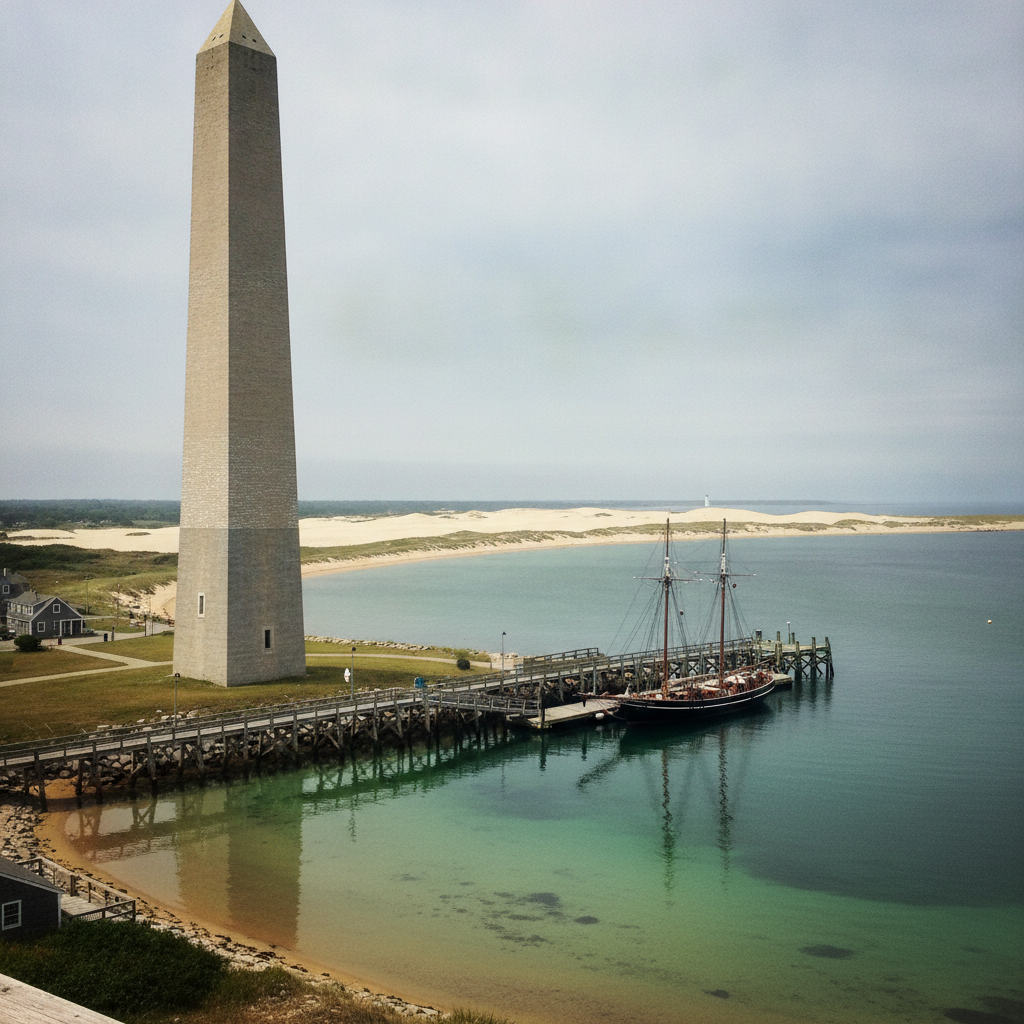
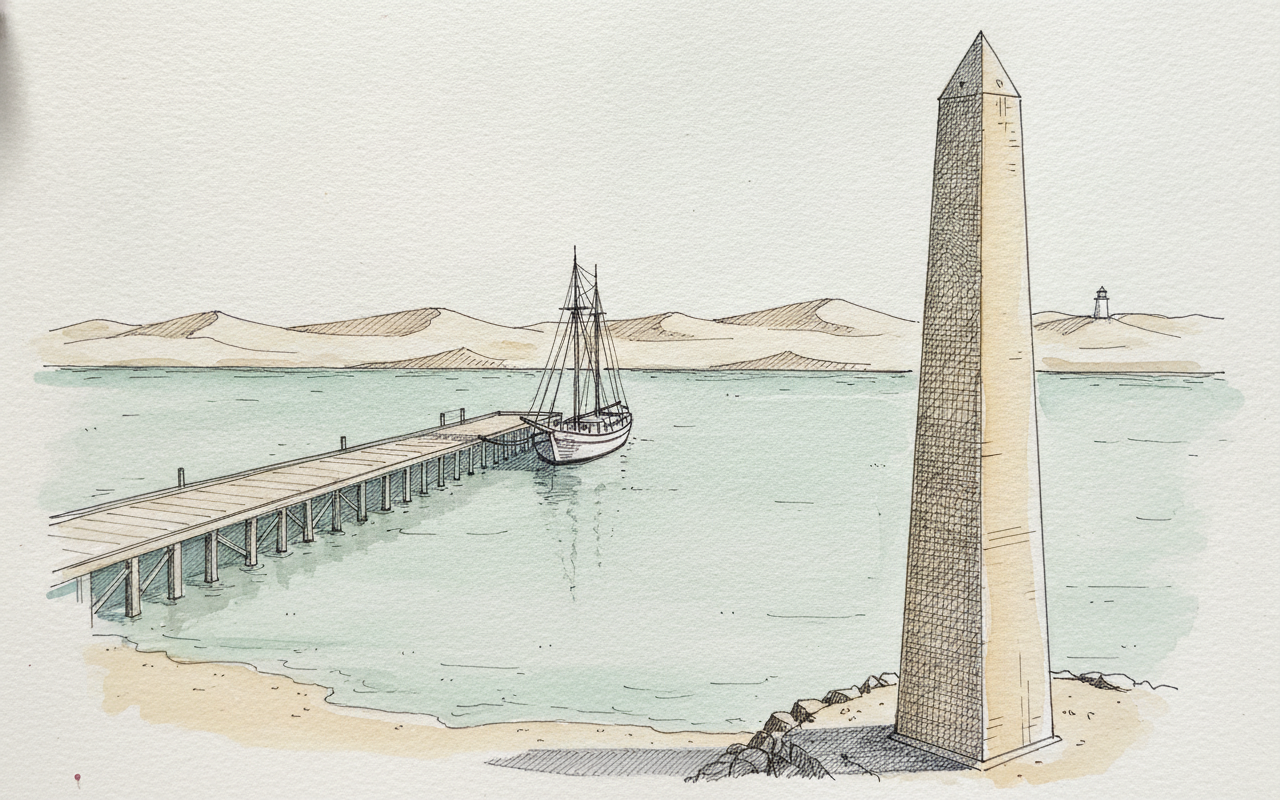
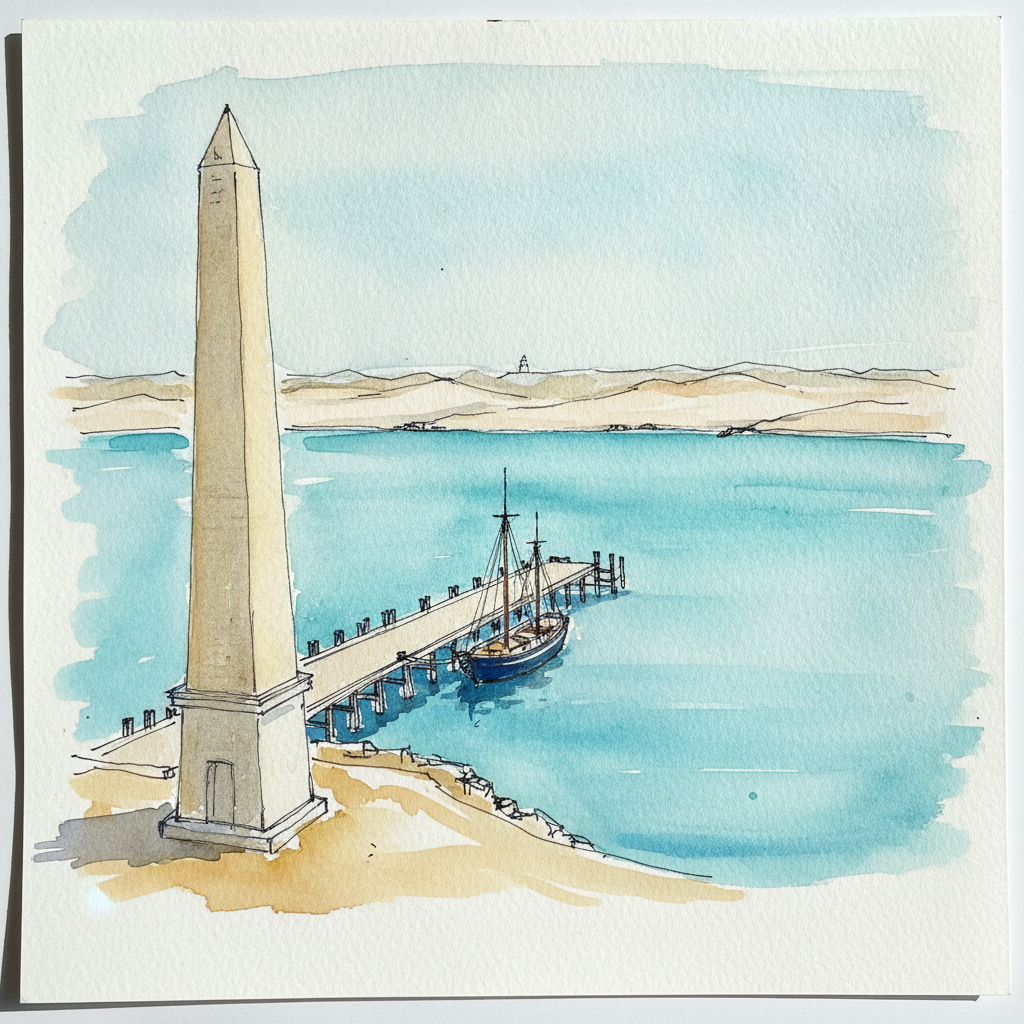
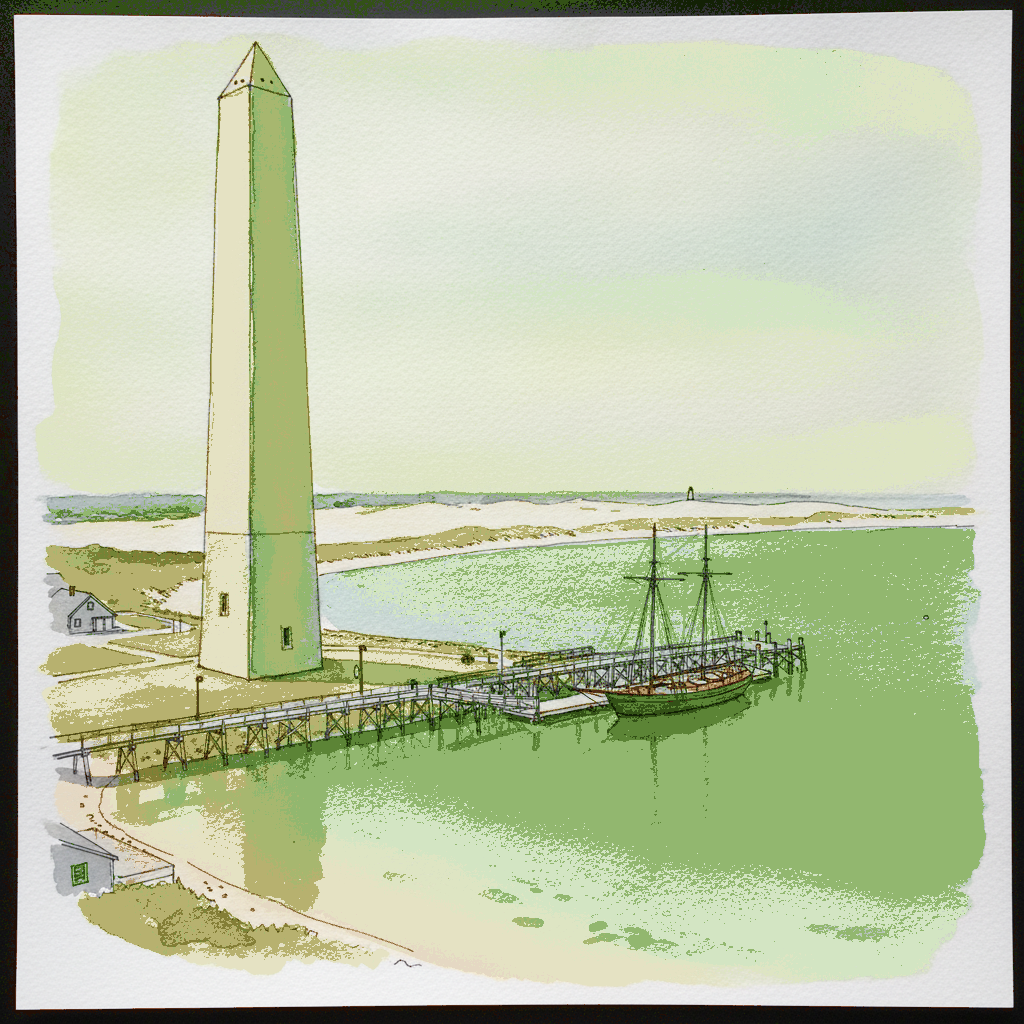
Piece 4 — Provincetown Cape Cod harbor, USA
Pen + Watercolor · Loose pen and watercolor line-and-wash
Three takes

Focus for this piece
Today's Provincetown harbor scene is an excellent study in contrasting firm architectural structure with soft, atmospheric washes. Use decisive, varied line weights to capture the robust form of the Pilgrim Monument and the intricate details of the MacMillan Pier and schooner. Then, employ broad, diluted washes of blues, golds, and sand tones for the expansive harbor, distant dunes, and clear aqua water. Let these soft layers build depth and evoke the warm summer air, allowing the watercolor to suggest forms where the pen defines them.
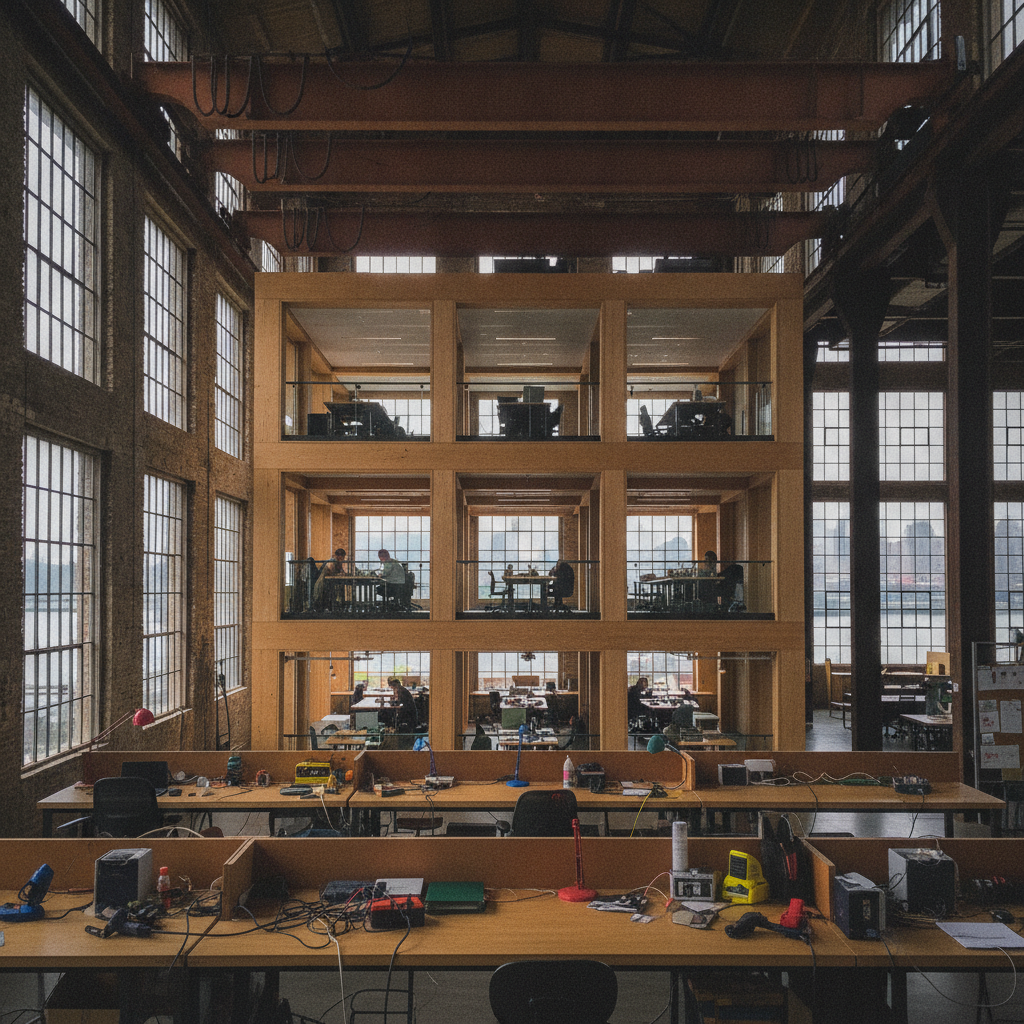
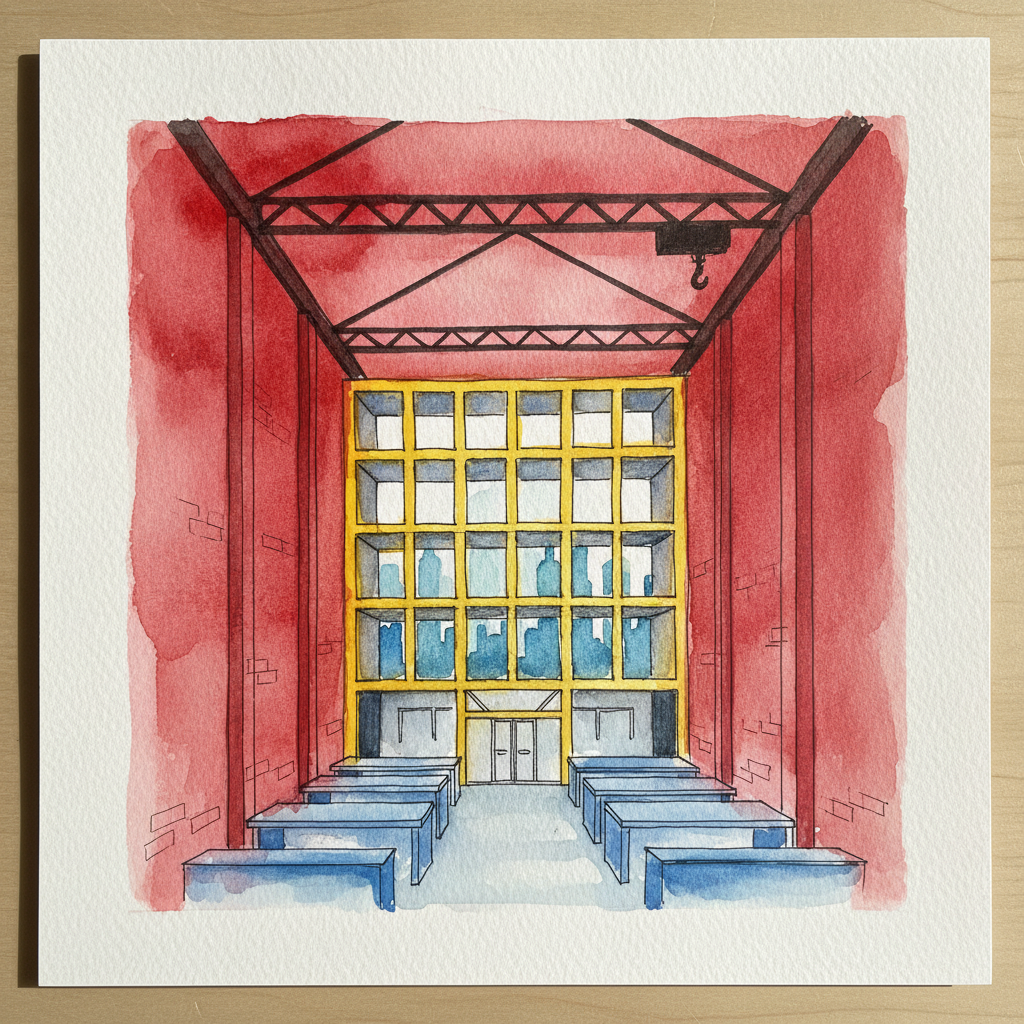
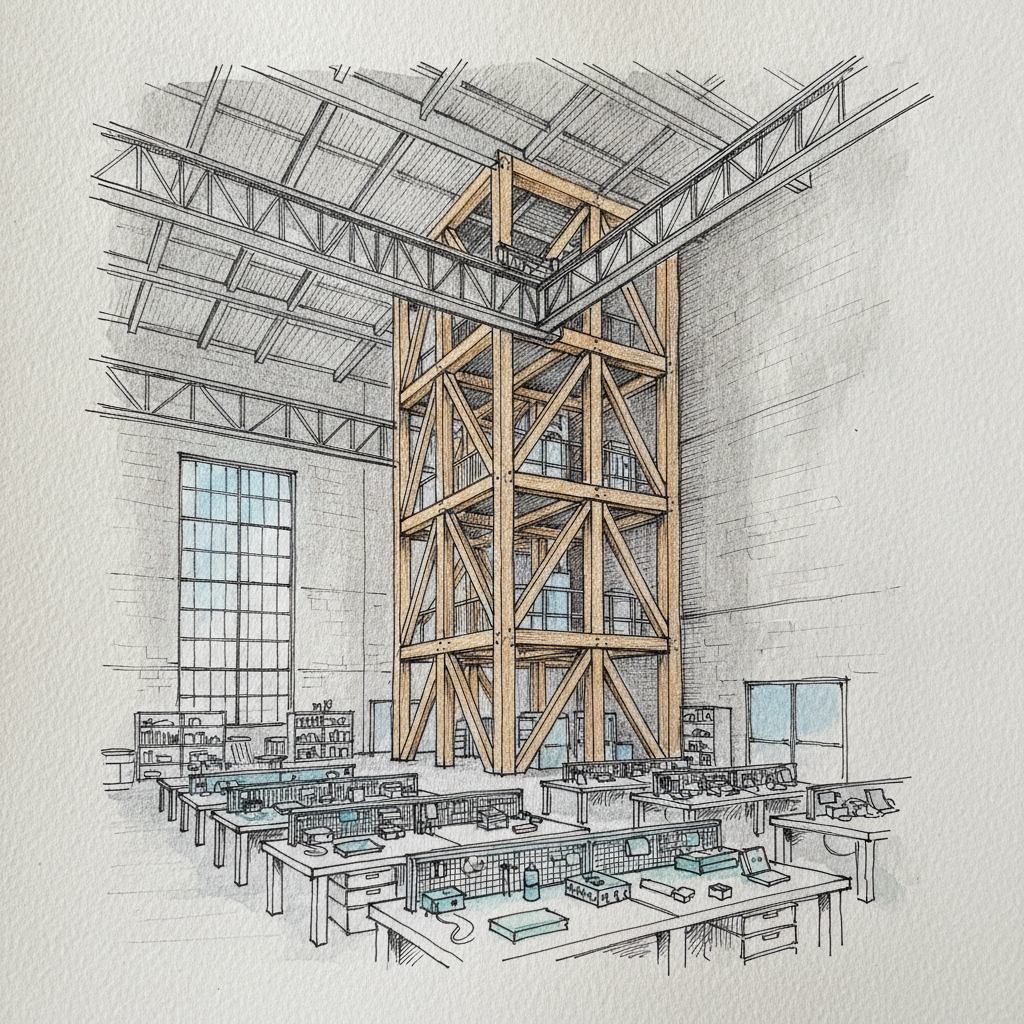
Piece 5 — New Lab, Brooklyn Navy Yard, Brooklyn, New York, USA
Pen + Watercolor · Loose pen and watercolor line-and-wash
Three takes

Focus for this piece
This piece offers an excellent opportunity to study defining spatial depth and material contrast using varied line weight and layered washes. Use heavier, more confident lines for the immediate structural elements of the original brick shed, transitioning to lighter, finer lines for the inserted timber structure and distant architectural details like the crane gantries. Then, build volume and differentiate textures with controlled, transparent washes, paying close attention to how light and reflection play across the heritage windows to create visual depth without obscuring your ink work.
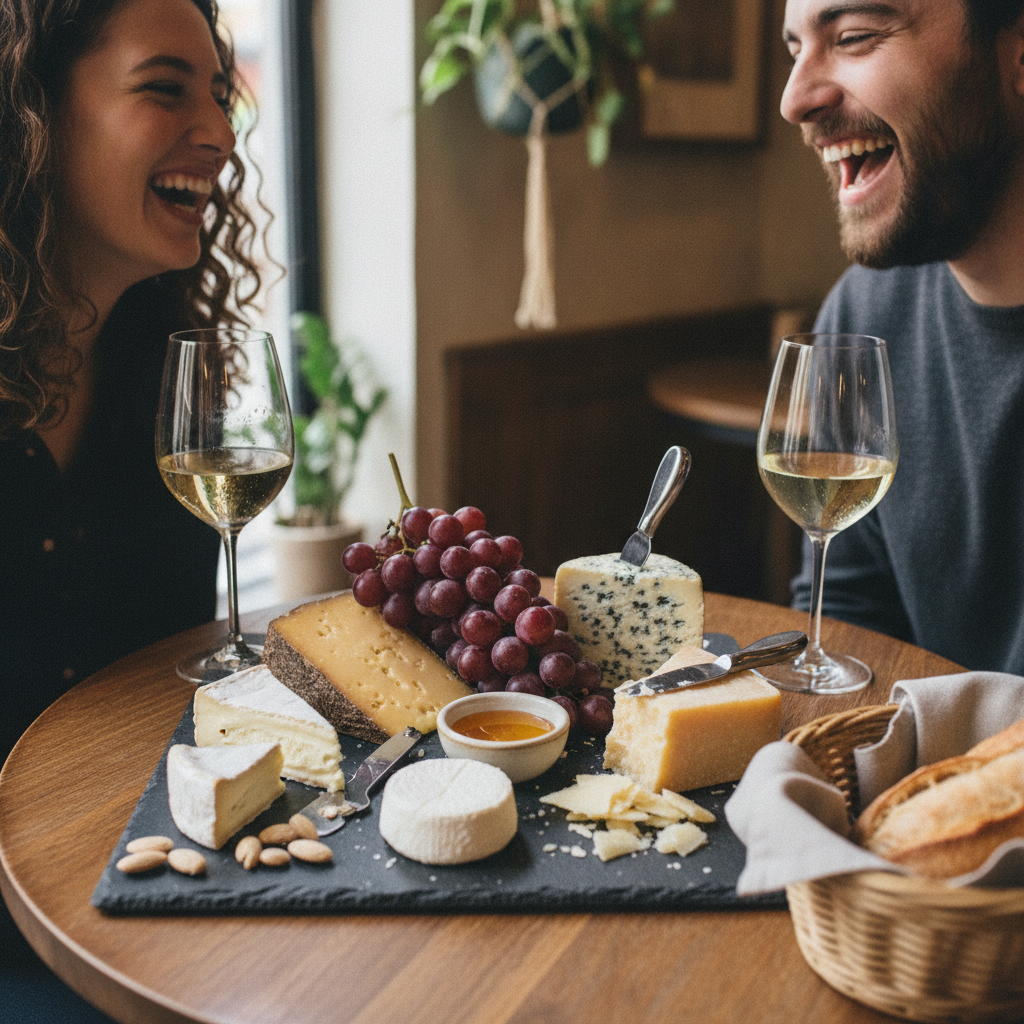
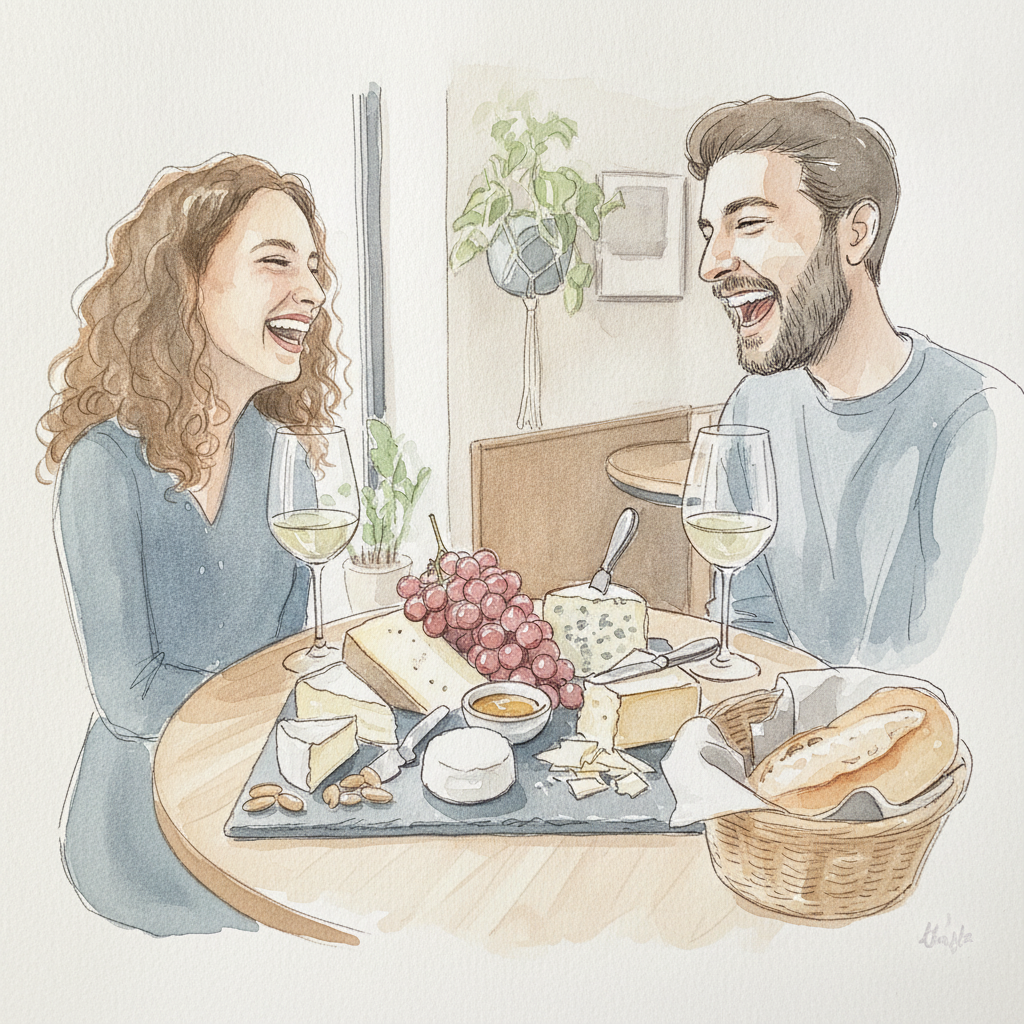
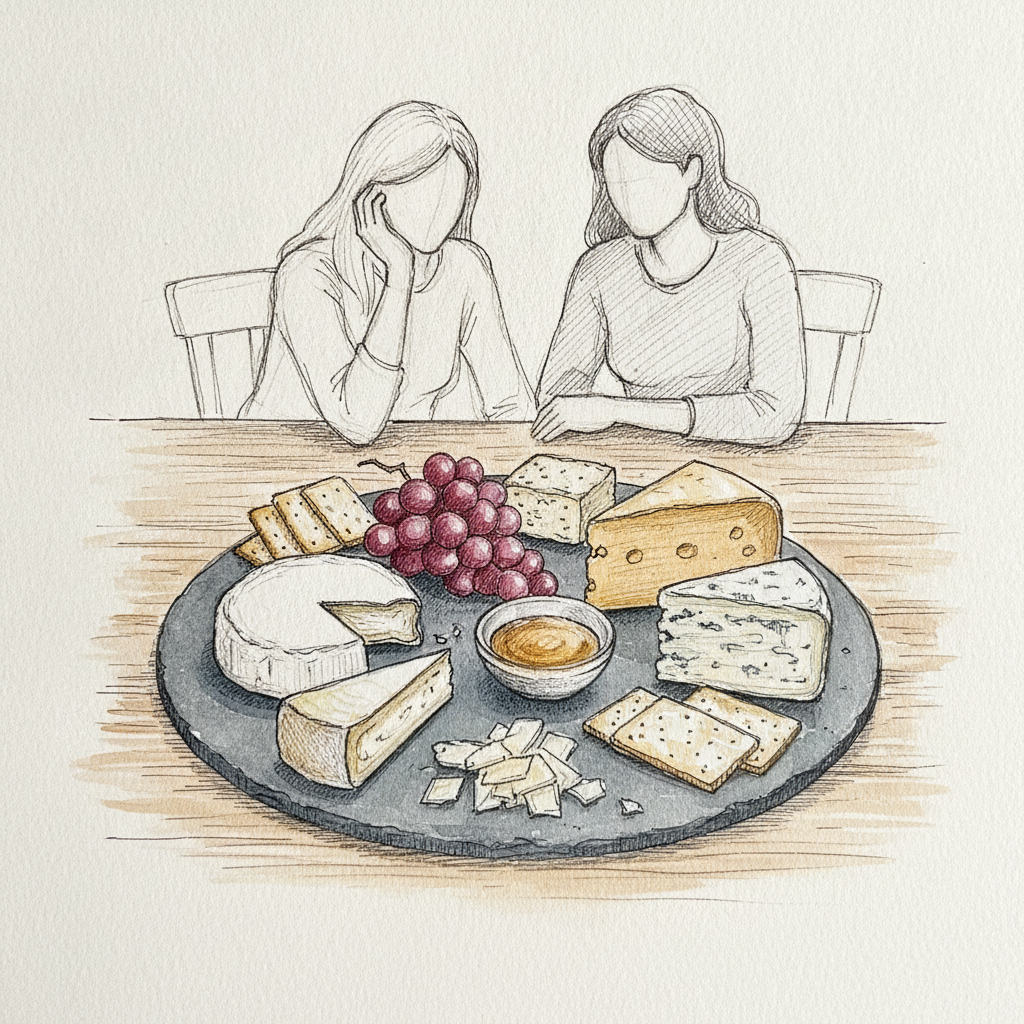
Piece 6 — Cheese board with grapes
Pen + Watercolor · Loose pen and watercolor line-and-wash
Three takes
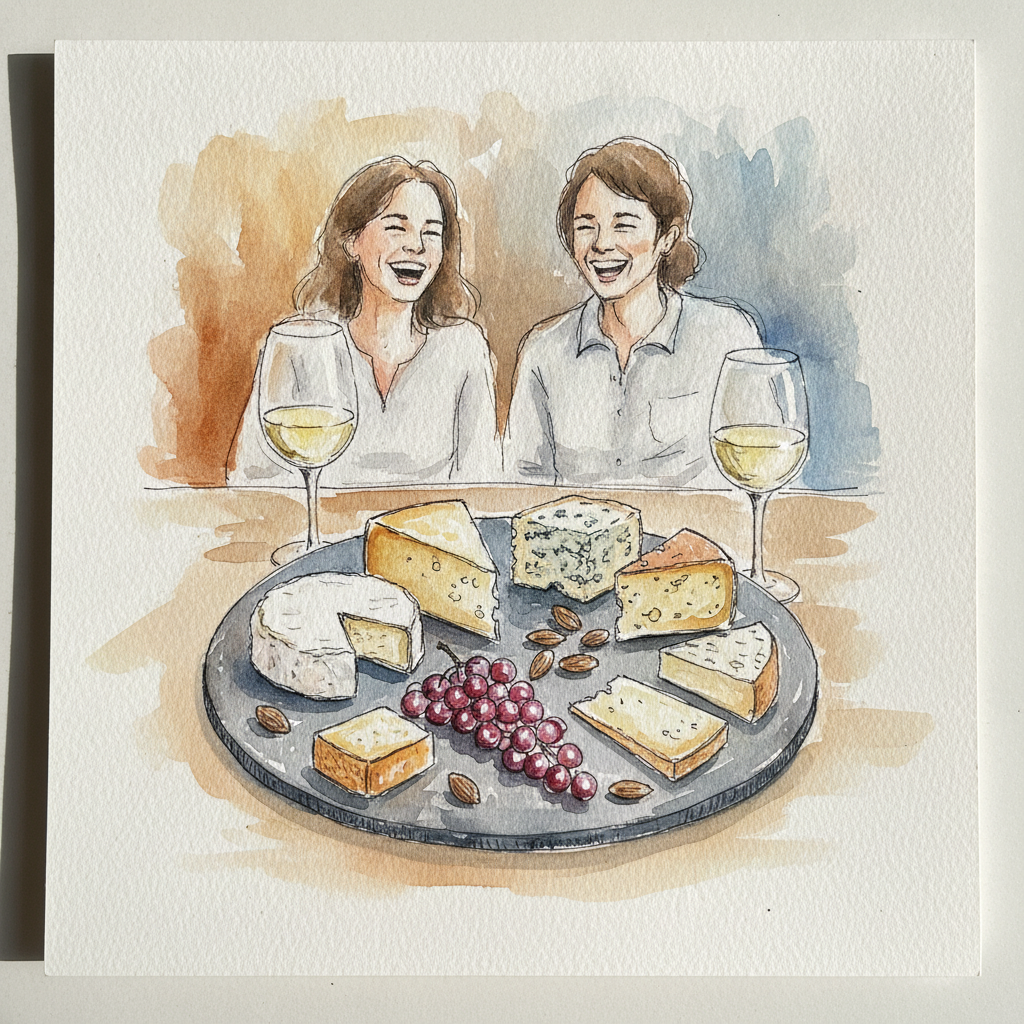
Focus for this piece
This piece offers an excellent opportunity to practice creating depth and visual interest through a **hierarchy of line weights** and **controlled wet-in-wet washes**. Use a bolder, more continuous pen line to define the prominent edges of the cheeses and wine glasses, guiding the eye to the foreground. Contrast this with lighter, broken lines for the organic shapes of the grapes and background elements, allowing them to recede. Finally, apply delicate washes, letting them bleed softly into each other to build volume and suggest the varied textures without dissolving your primary ink structure.
Piece 7 — Eggbeater hand drill
Pen + Watercolor · Loose pen and watercolor line-and-wash
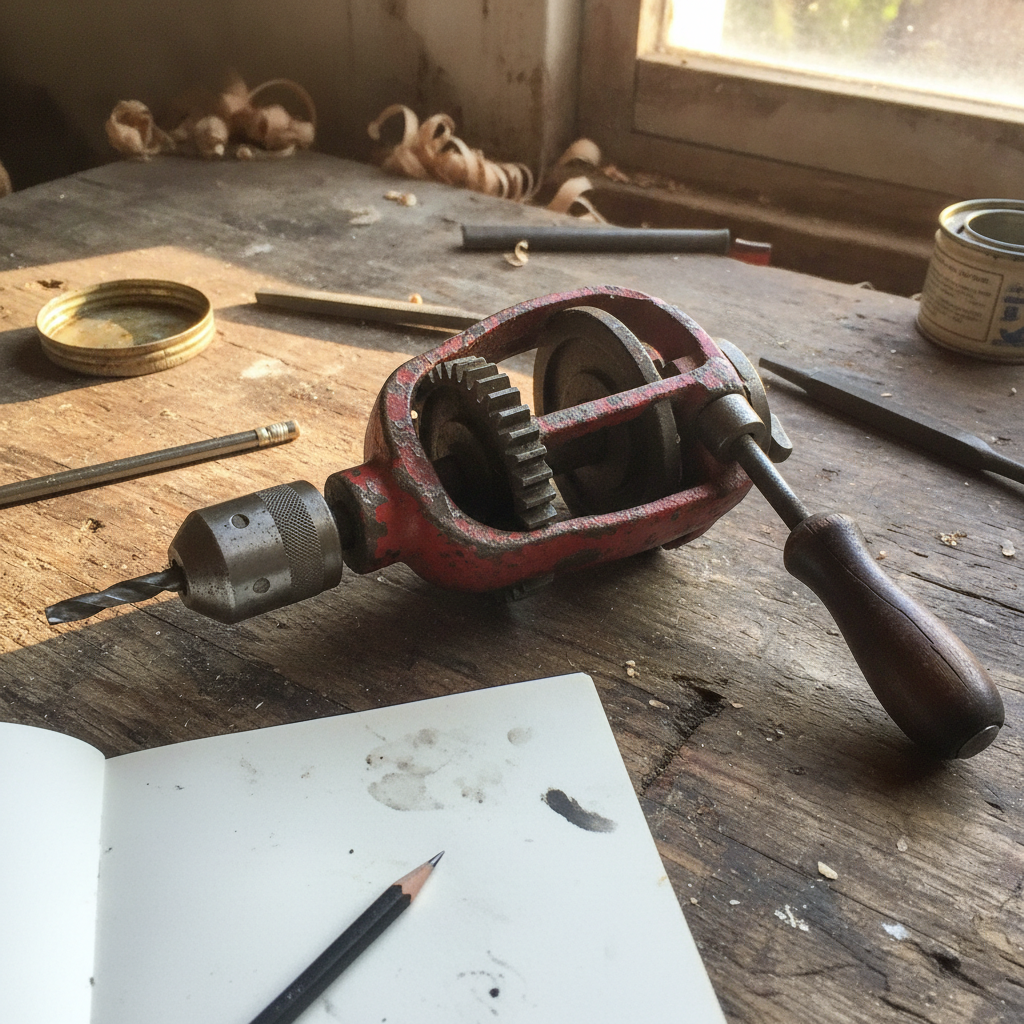
Three takes
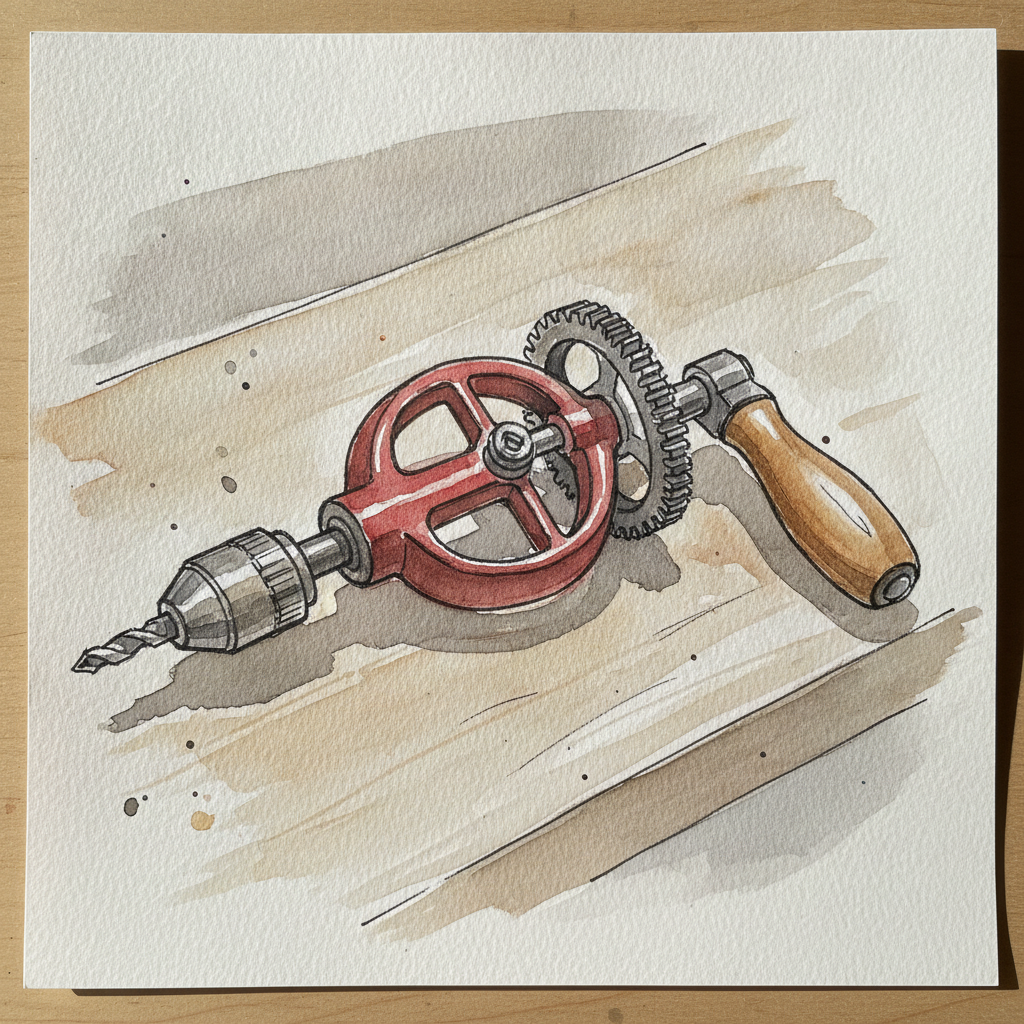
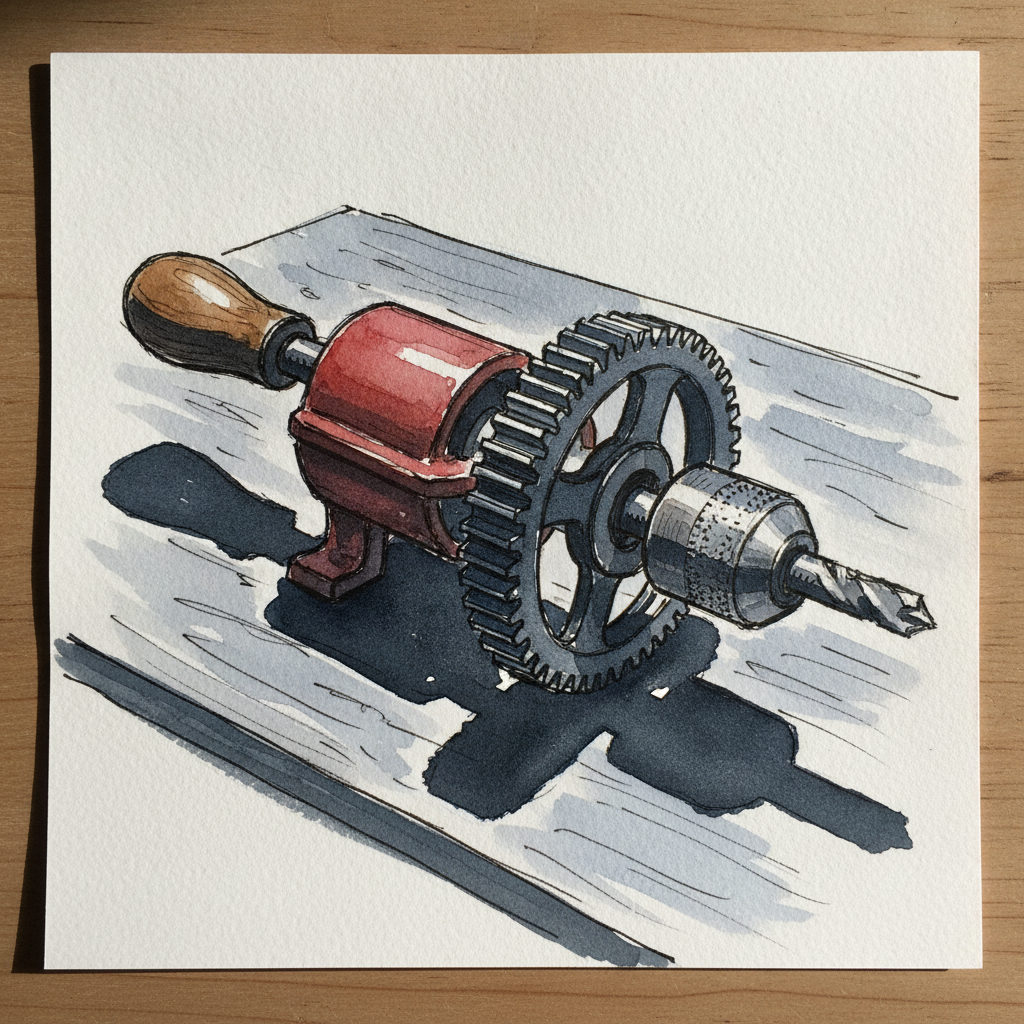
Focus for this piece
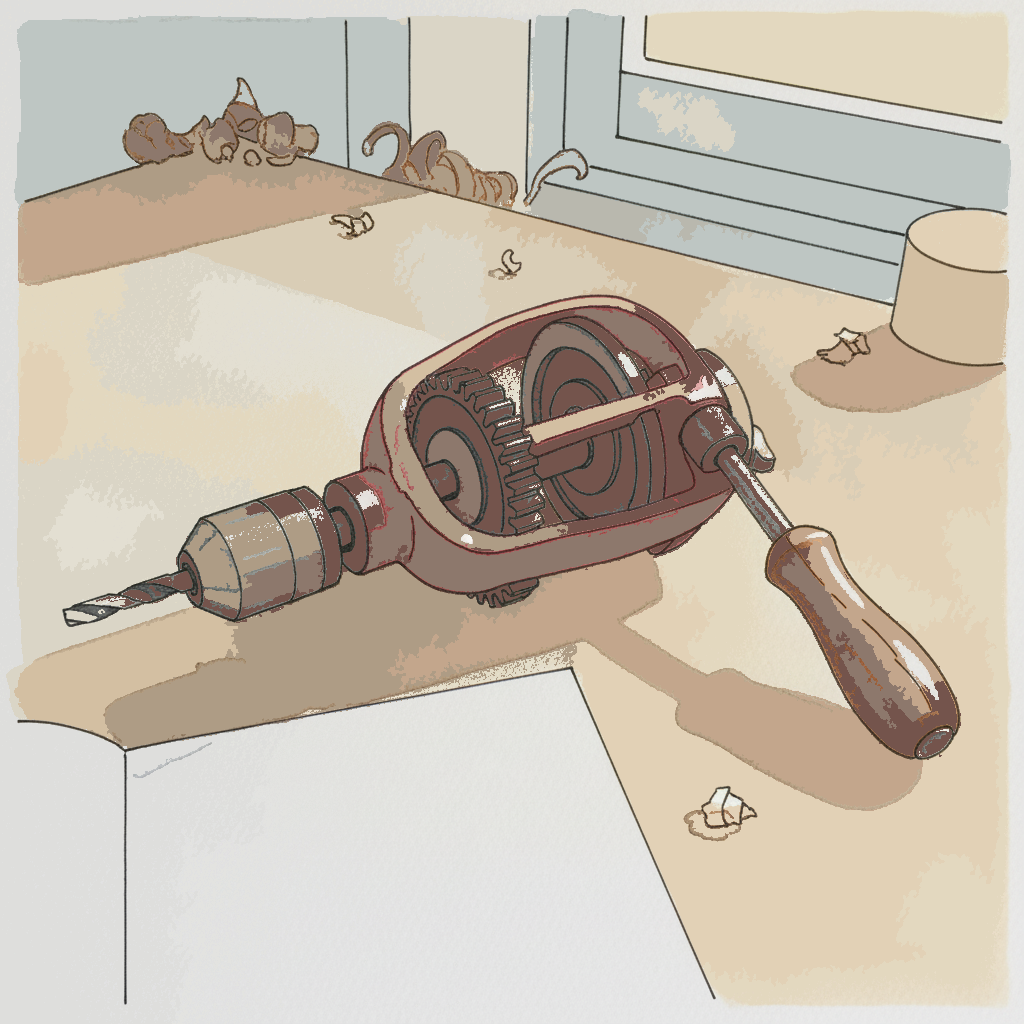
This piece is ideal for studying how to render intricate mechanical forms and capture specific lighting effects with confidence. Pay close attention to varying your pen line weight to distinguish the sharp edges of the gear teeth from the worn cast iron, and use precise, controlled washes to build the metallic sheen while carefully preserving the tiny crescent highlights from the glancing afternoon light. This exercise will sharpen your ability to translate fine detail and texture using both media in concert.
Piece 8 — Red-eared slider
Pen + Watercolor · Loose pen and watercolor line-and-wash
Three takes

Focus for this piece
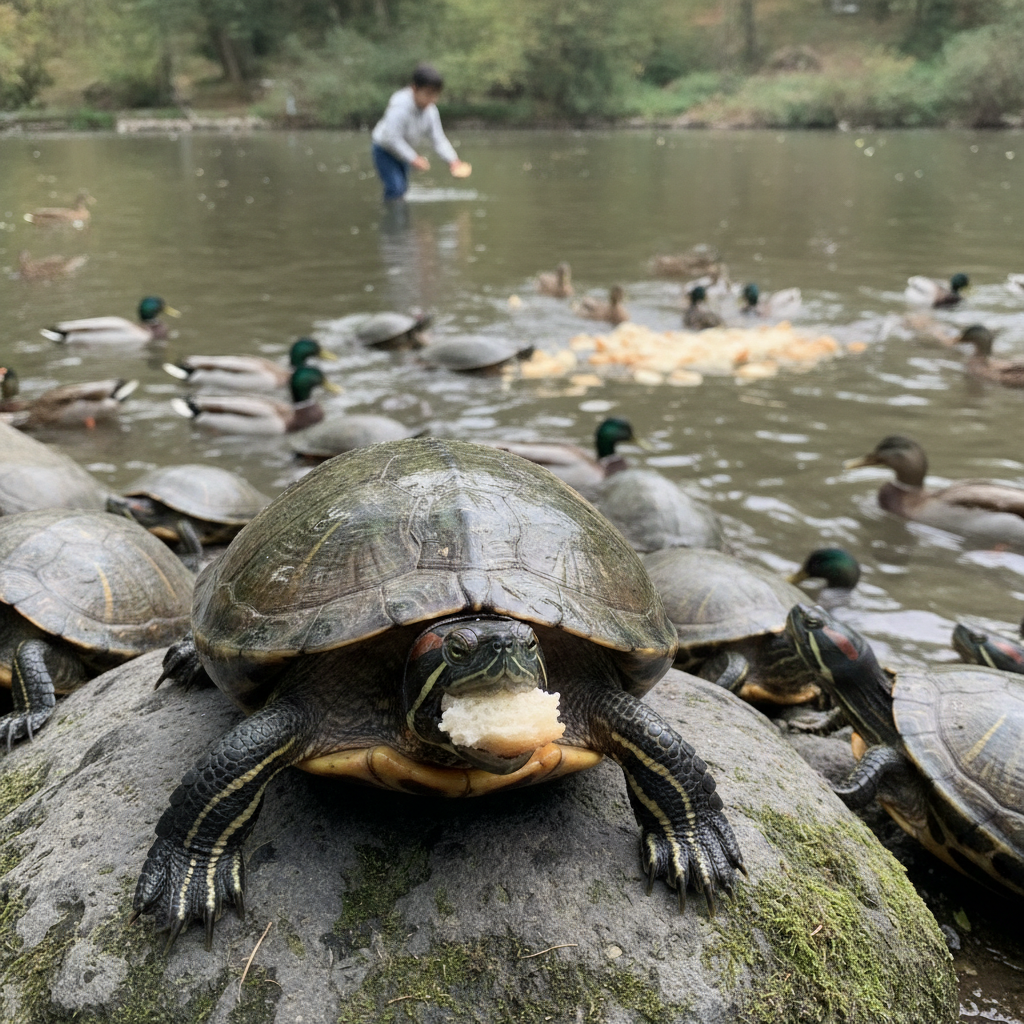
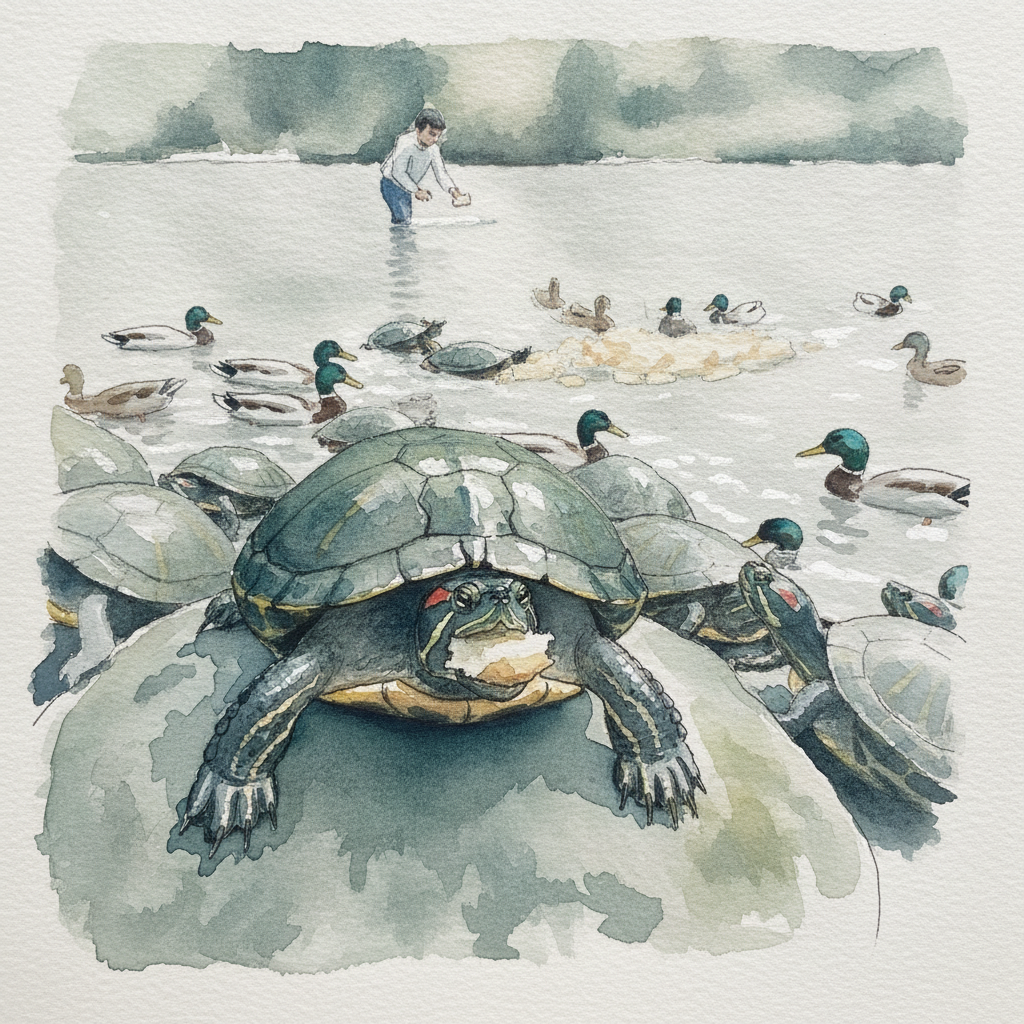
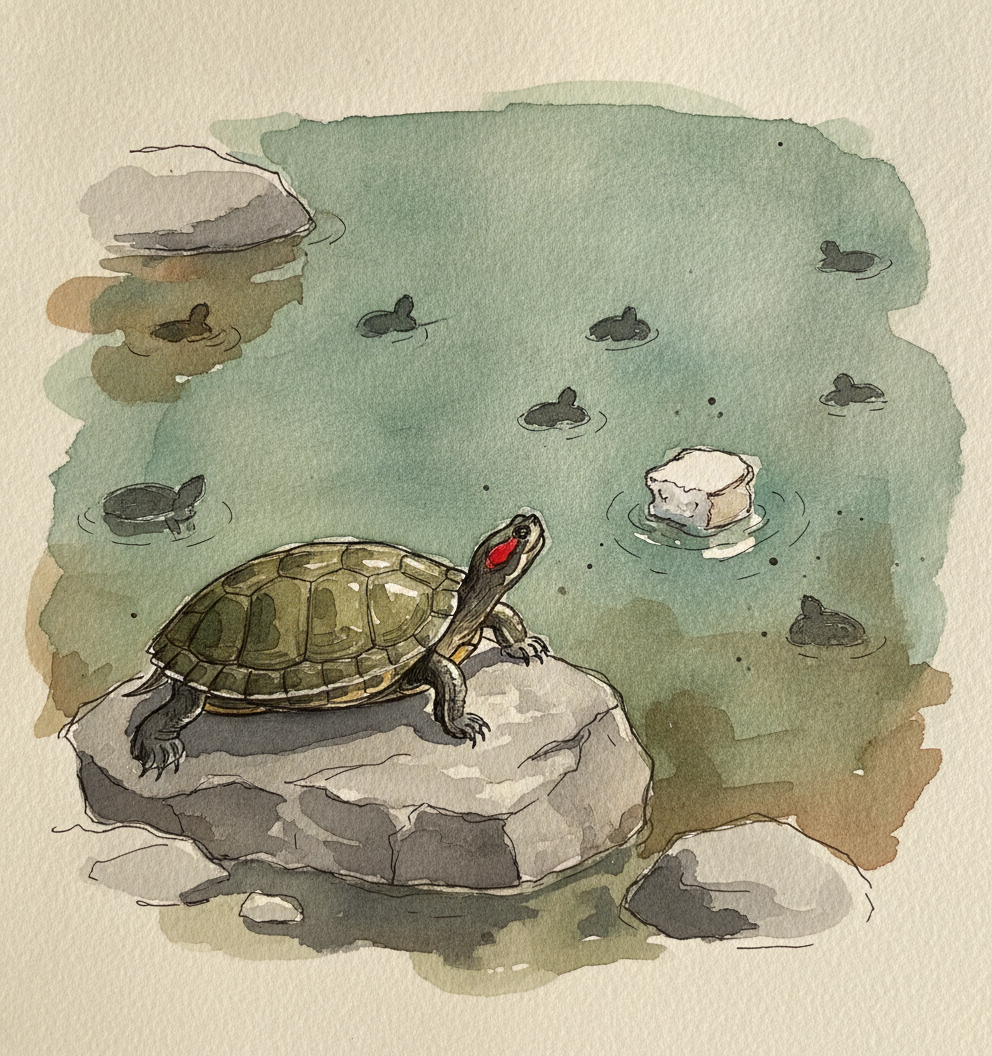
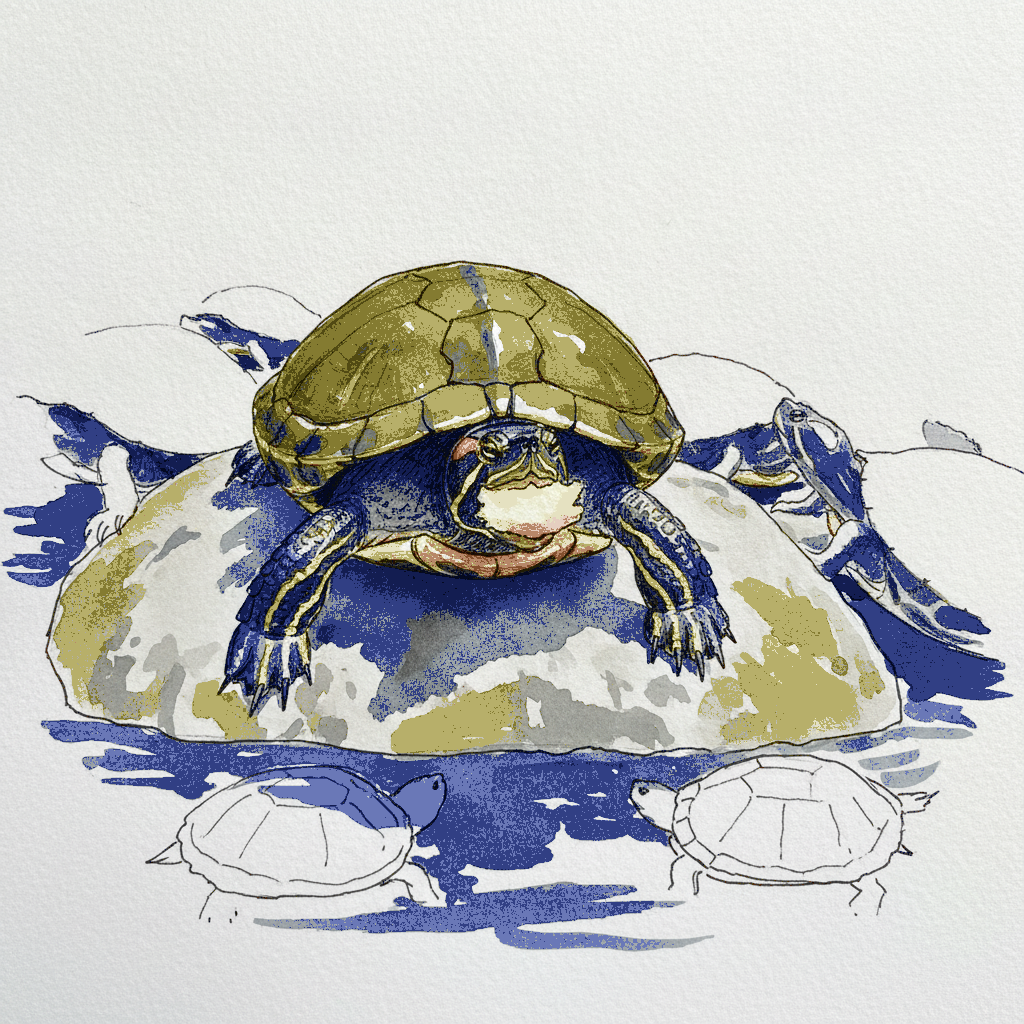
For this red-eared slider, focus on rendering the tactile contrast between its wet, smooth shell and the rough, dry rock it basks on. Practice creating a subtle sheen on the turtle's form using layered wet-on-dry washes for the dark olive tones, carefully leaving small unpainted areas for highlights to suggest moisture. Complement this with varied pen line weights: use crisp, heavier lines to define the wet shell's edges and scutes, softening to lighter, broken lines for the textured rock. This approach will emphasize both the subject's form and its immediate environment.