Pearl in oyster shell, Mature curvy Indian woman in moderate practitioner's arch, Schussenried Abbey Library, Bad Schussenried, Germany, Man in bathrobe reading paper, and more — pen + watercolor for July 23, 2026
AI-generated daily art-practice references for pen and watercolor: Pearl in oyster shell, Mature curvy Indian woman in moderate practitioner's arch, Schussenried Abbey Library, Bad Schussenried, Germany, Man in bathrobe reading paper, Petal storm under an arch in late May, Maori Man with Moko Kau…
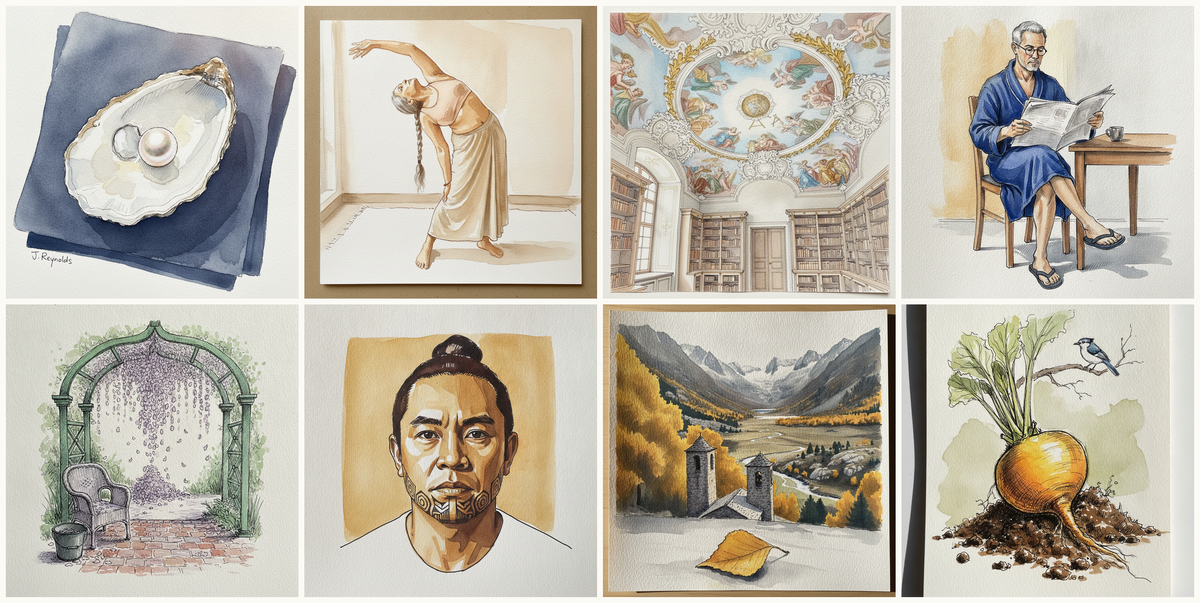
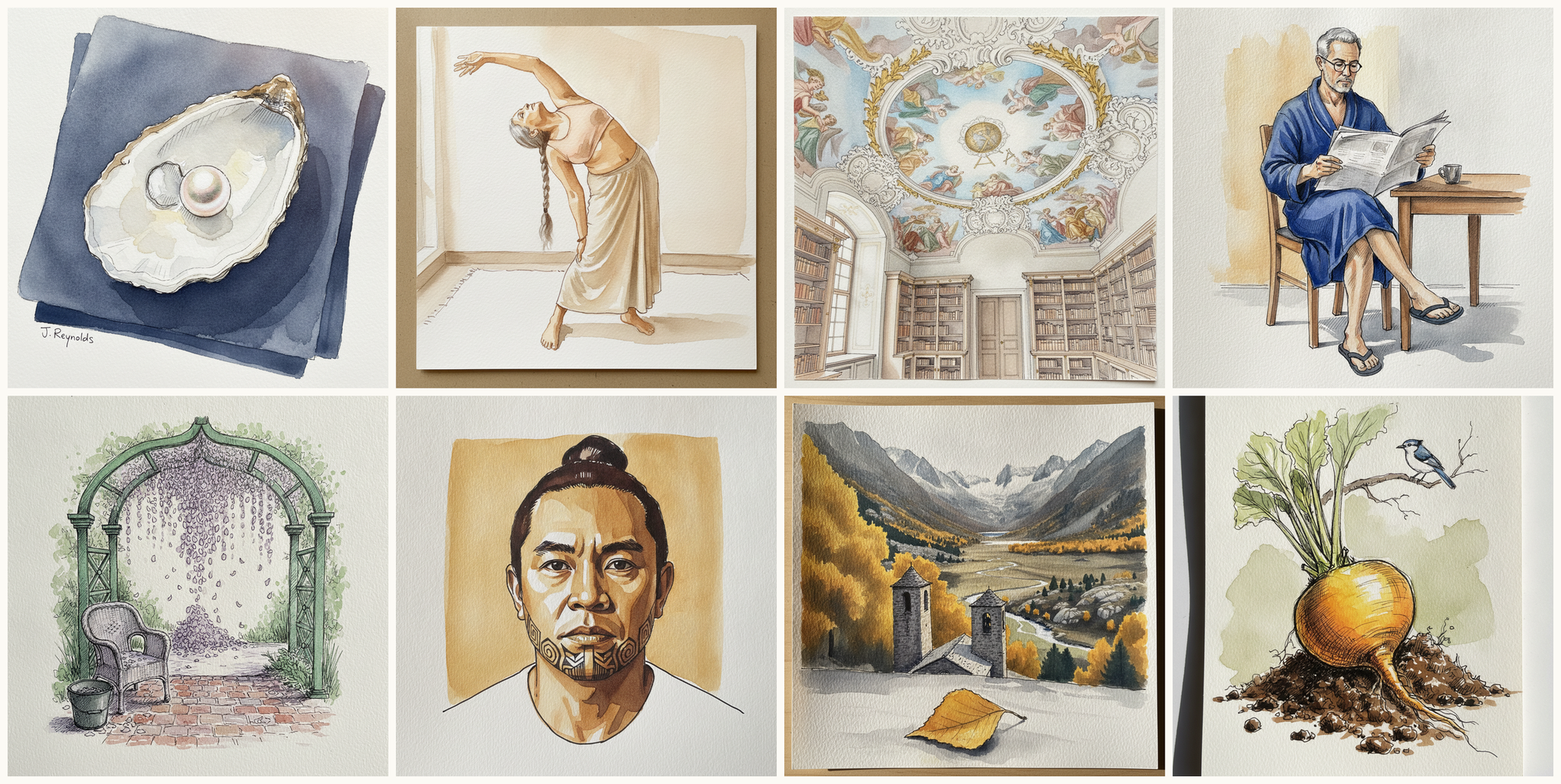
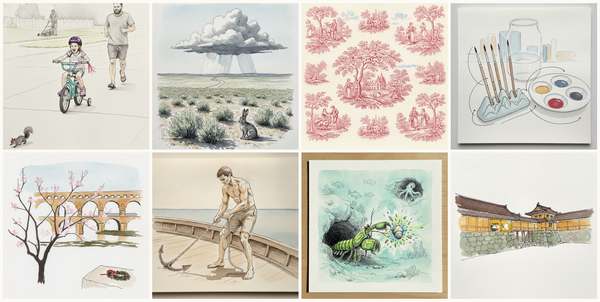
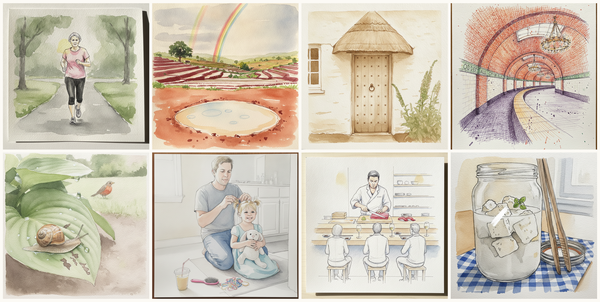
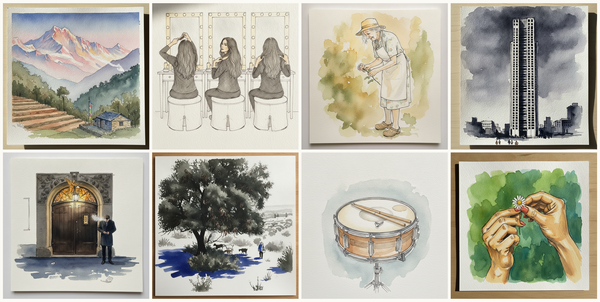
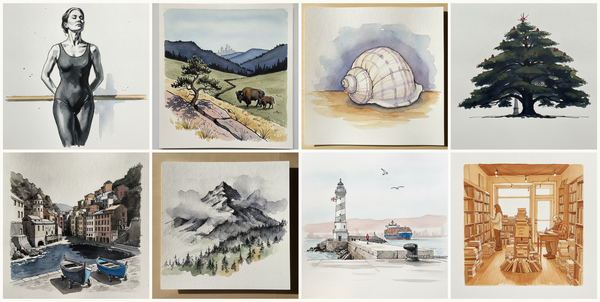
Today's 8 pen-and-watercolor pieces: Pearl in oyster shell, Mature curvy Indian woman in moderate practitioner's arch, Schussenried Abbey Library, Bad Schussenried, Germany, Man in bathrobe reading paper, Petal storm under an arch in late May, Maori Man with Moko Kauae Beginnings, Vall de Boí — Aigüestortes valley, Catalan Pyrenees, Golden beet. Each piece comes with an AI-generated photoreal reference, three AI-generated example artworks in different treatments, and a short focus paragraph naming what to study in this one.
Why these references use AI
This daily series uses AI-generated images as practice prompts, not as finished artwork to copy. Each subject starts with a synthetic photoreal reference generated with Gemini/Nano Banana, then moves into three pen-and-watercolor interpretations of the same subject.
I use AI here because daily art practice needs variety and low friction. Real life can get repetitive, busy, or visually narrow. These generated reference sets make it easier to study bodies, buildings, animals, landscapes, objects, gestures, light, palettes, and compositions that might not show up in an ordinary day.
The goal is not to reproduce any image directly. Treat each set as a starting point for observation and study: choose what interests you, change the framing, simplify the subject, alter the palette, and make your own version.
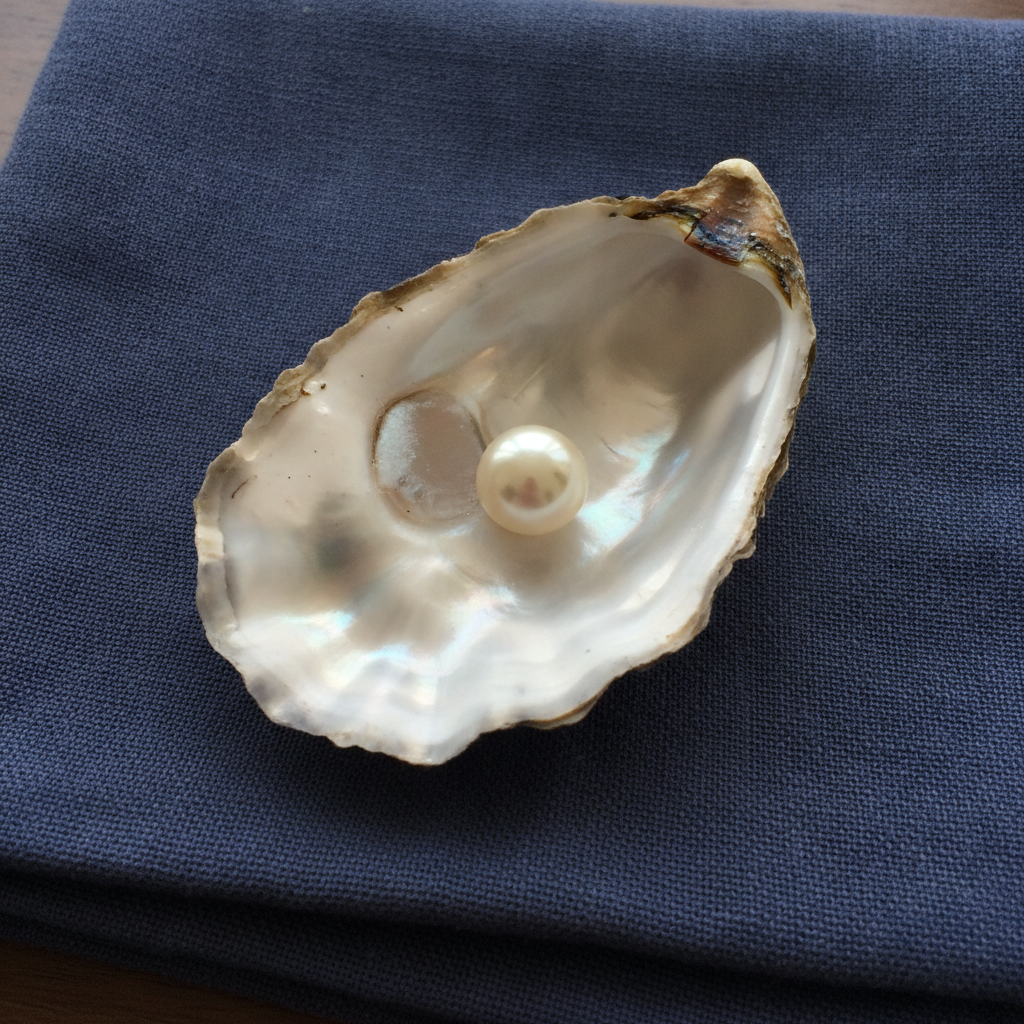
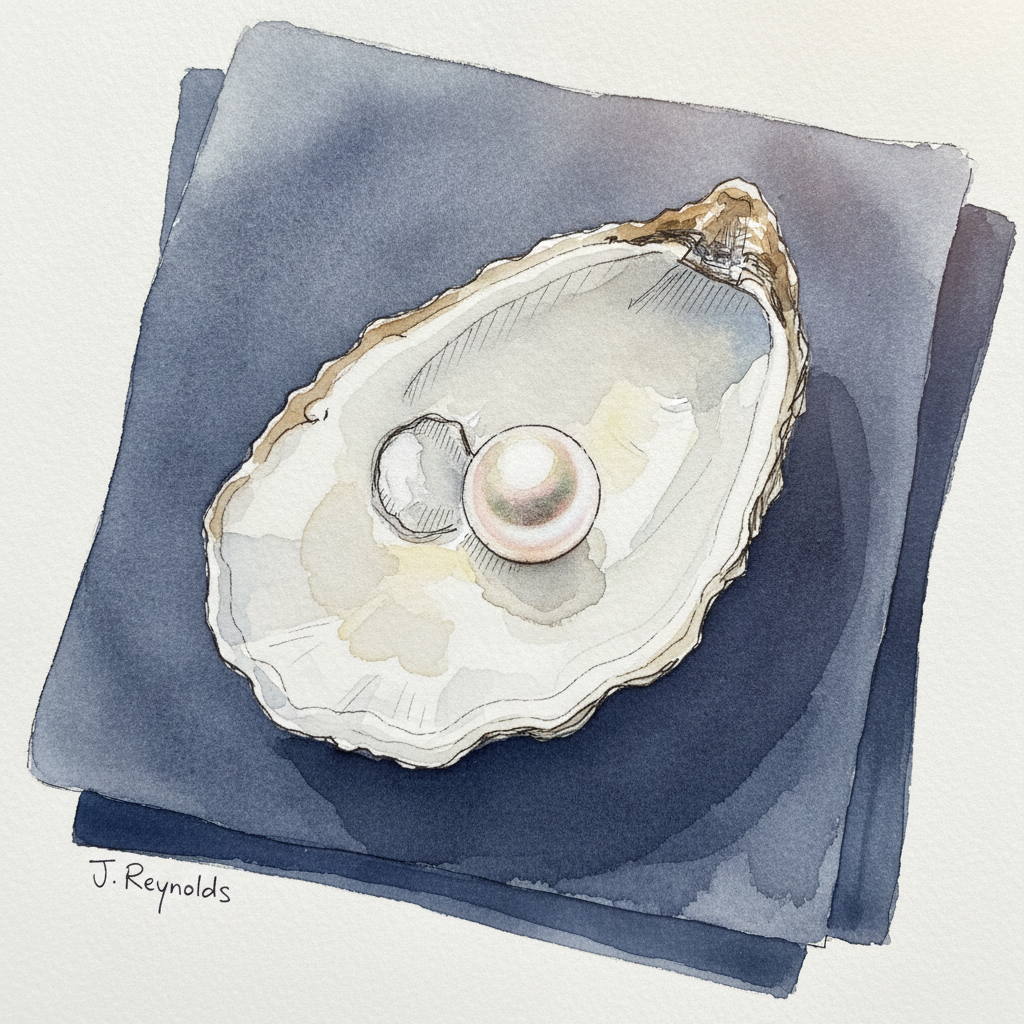
Piece 1 — Pearl in oyster shell
Pen + Watercolor · Loose pen and watercolor line-and-wash
Three takes

Focus for this piece
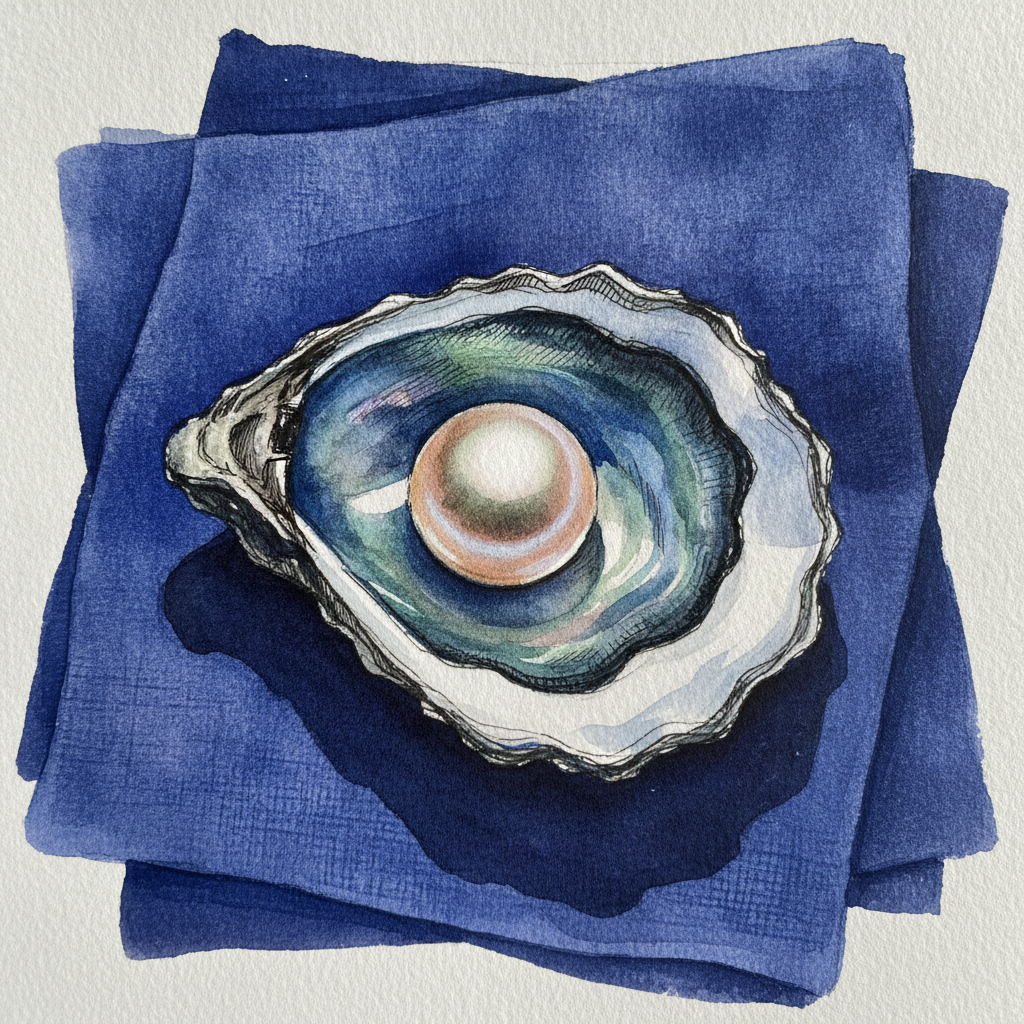
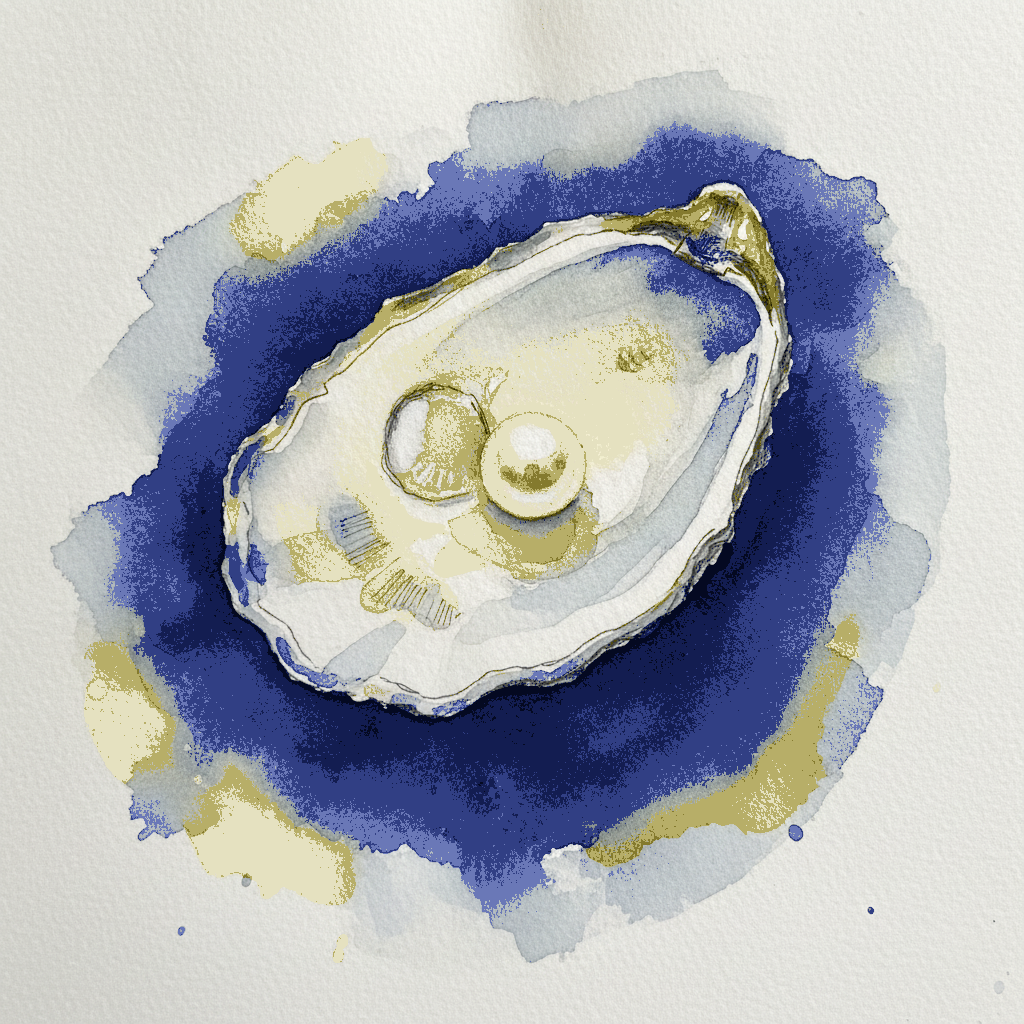
Today, focus on creating three distinct textural and volumetric zones. Use delicate, layered washes and minimal ink lines to achieve the pearl's spherical form and subtle sheen. For the oyster's rippled nacre, explore varied pen line weights and judicious dry brush to suggest texture, reserving your softest, deepest washes for the navy linen napkin to establish a contrasting, dark backdrop.
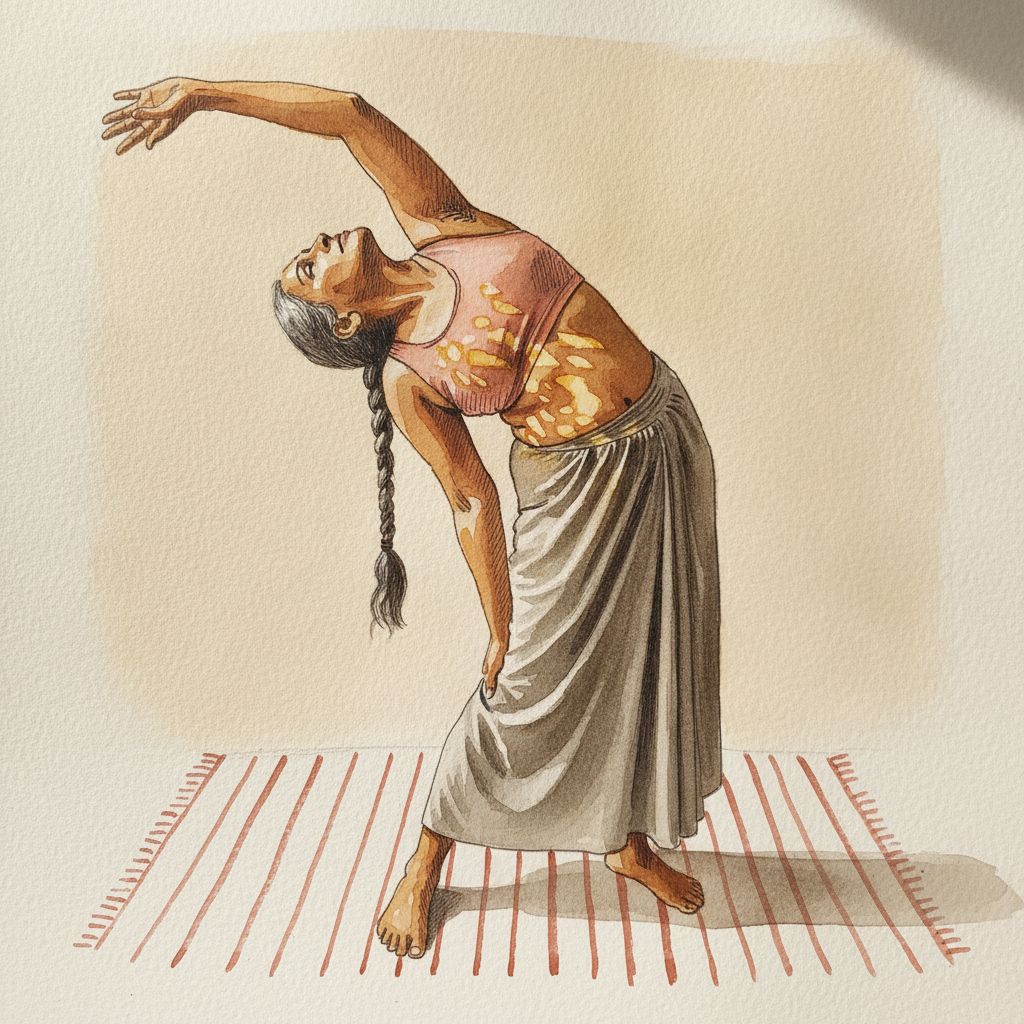
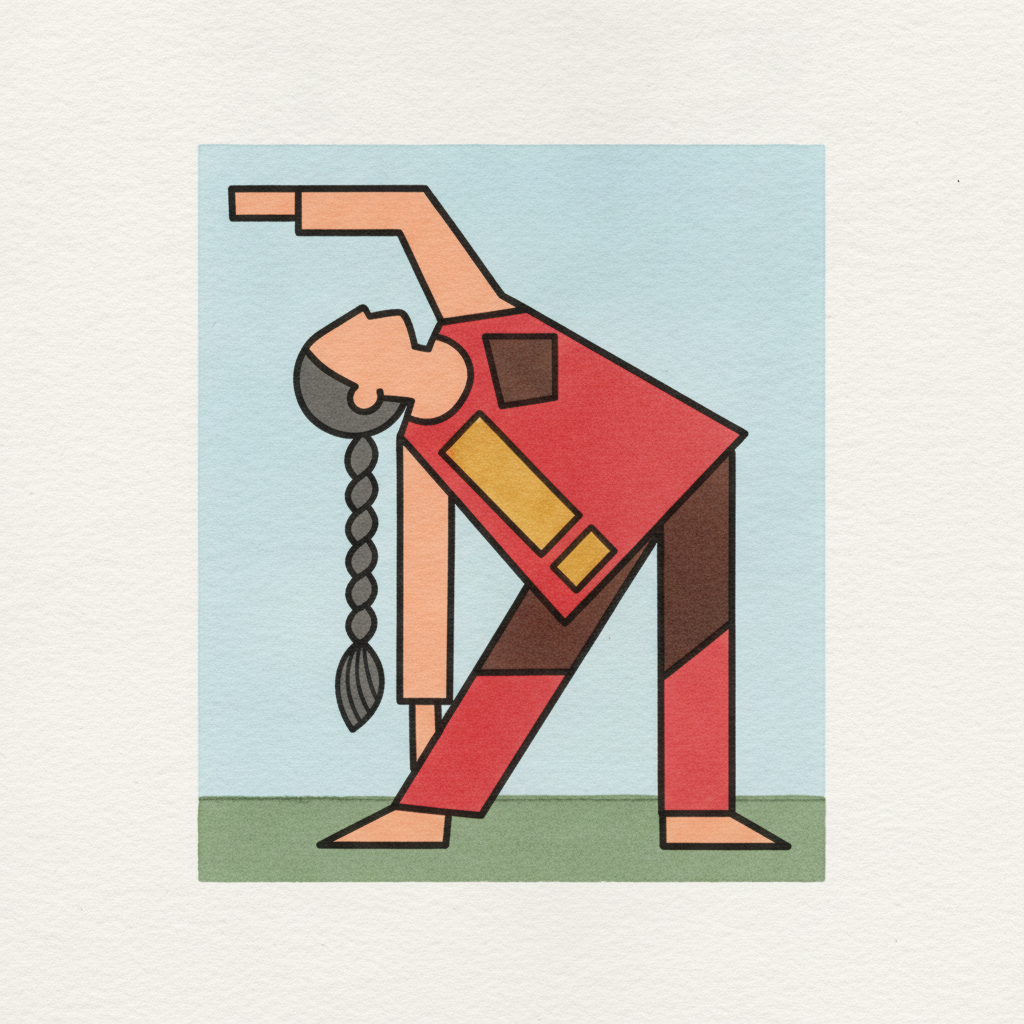
Piece 2 — Mature curvy Indian woman in moderate practitioner's arch
Pen + Watercolor · Loose pen and watercolor line-and-wash
Three takes
Focus for this piece
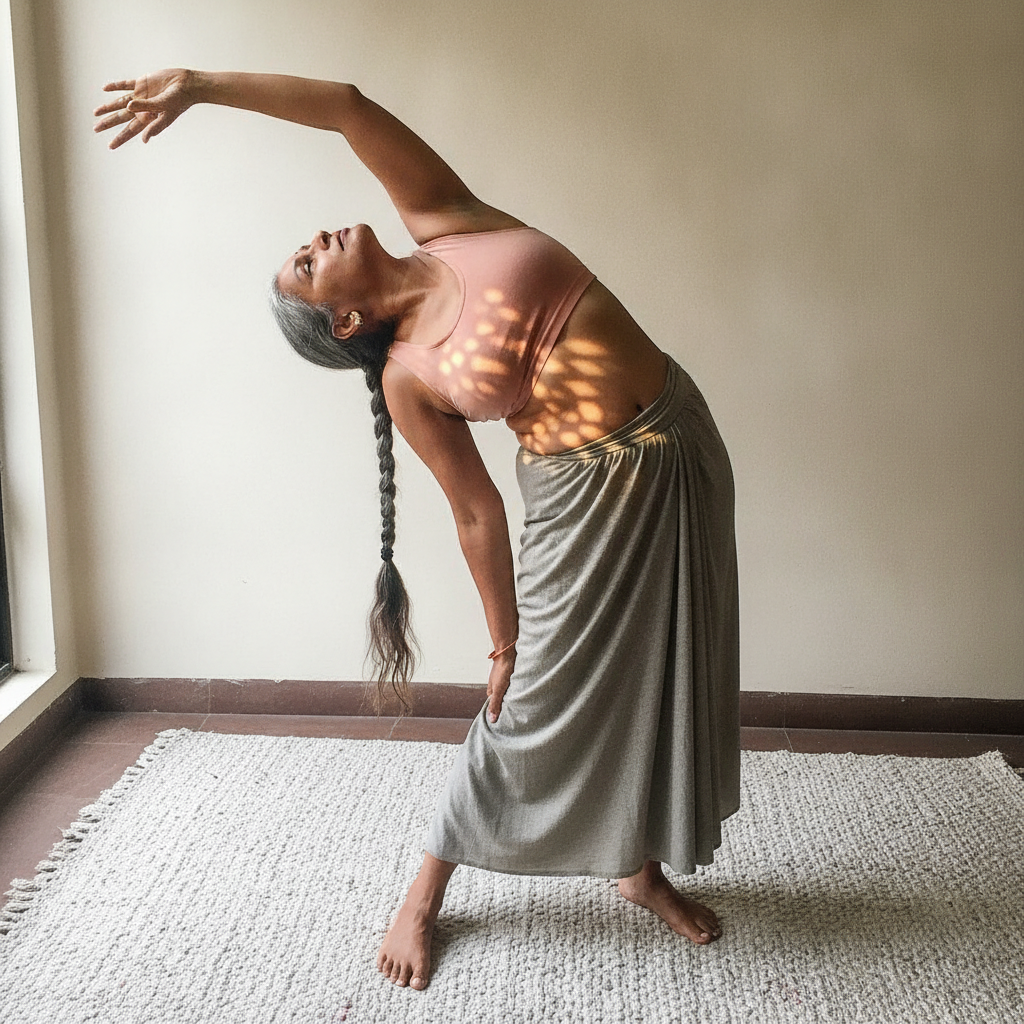
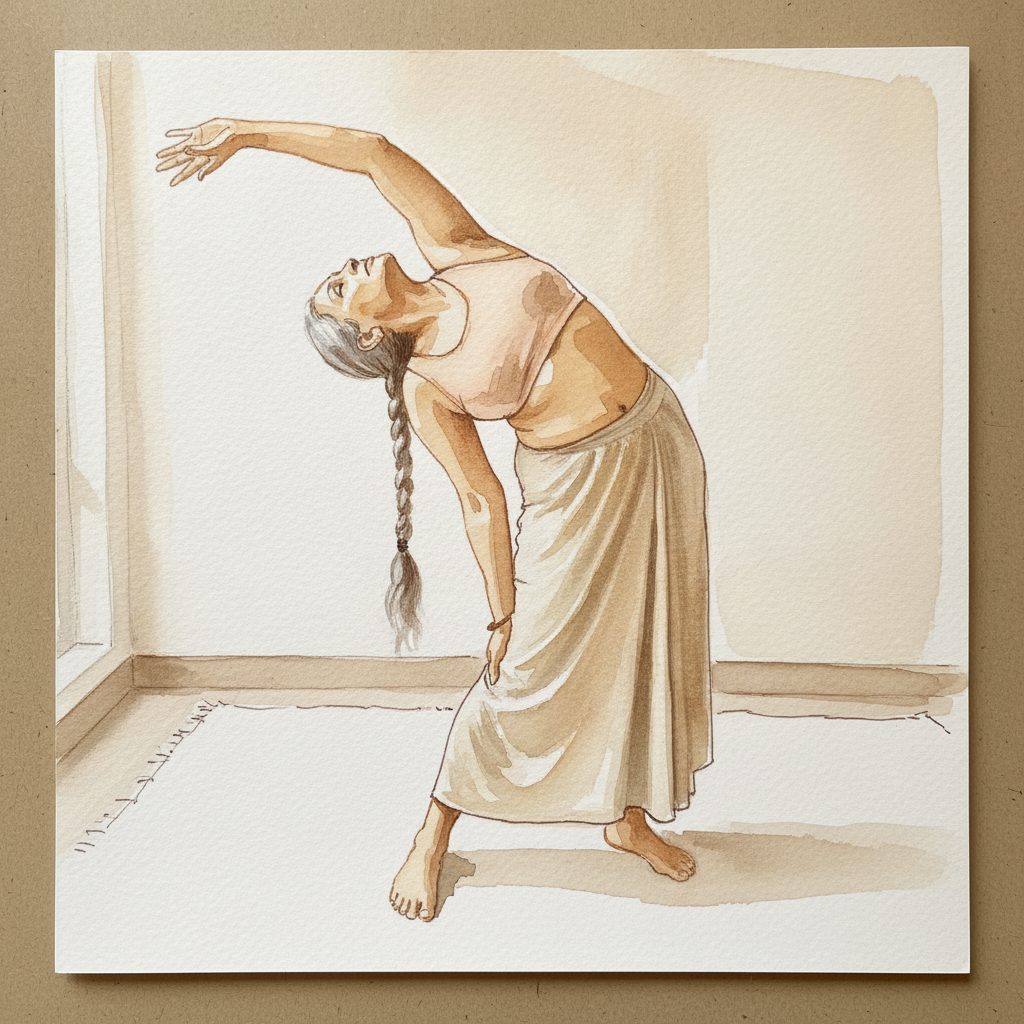
This piece offers an excellent opportunity to practice conveying soft, strong human form through a thoughtful interplay of line and wash. Focus on employing varied, responsive line weights—thickening lines on the undersides of curves like the elbow and hip, and using lighter, broken lines for areas where light dapples across the skin. Build the warm brown skin tones with layered, transparent washes, paying close attention to allowing soft-edged pools of lighter pigment to suggest the jali screen's patterns and highlight the gentle arch of her back.
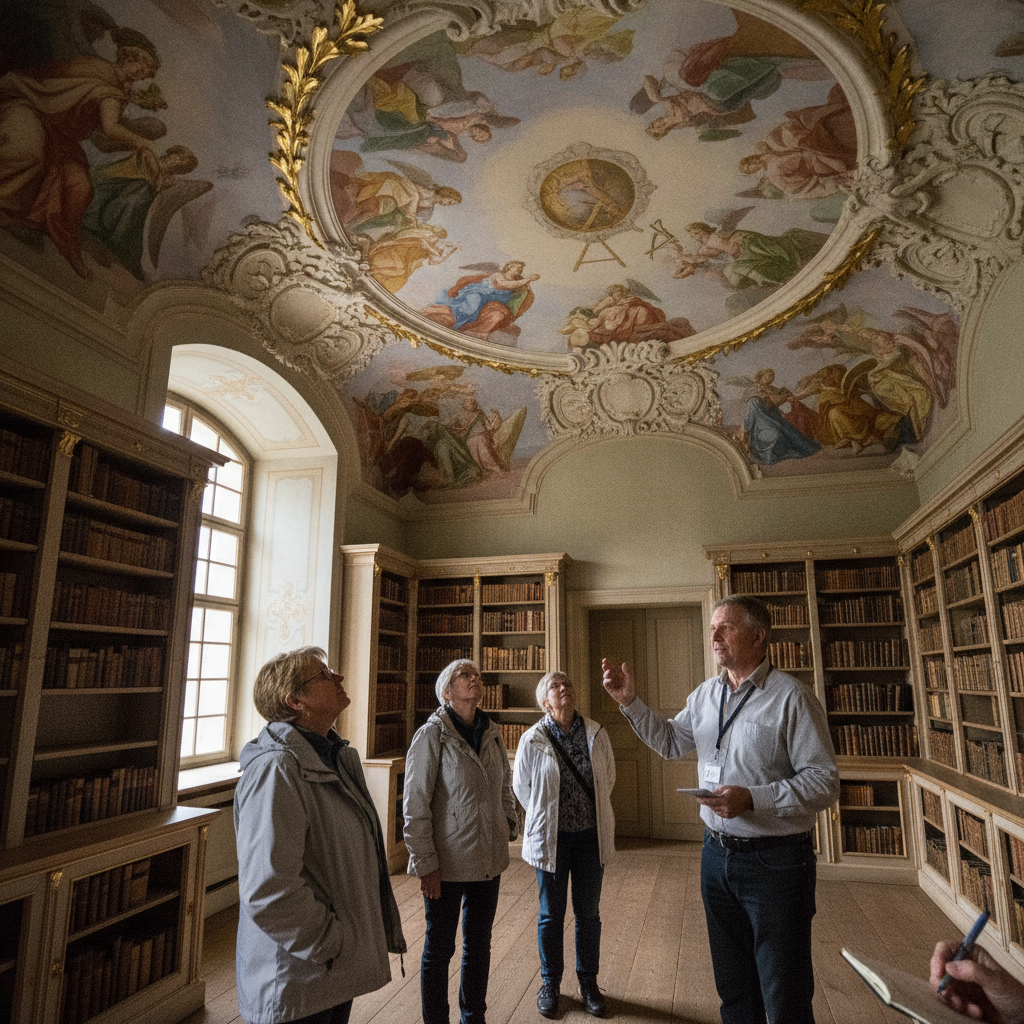
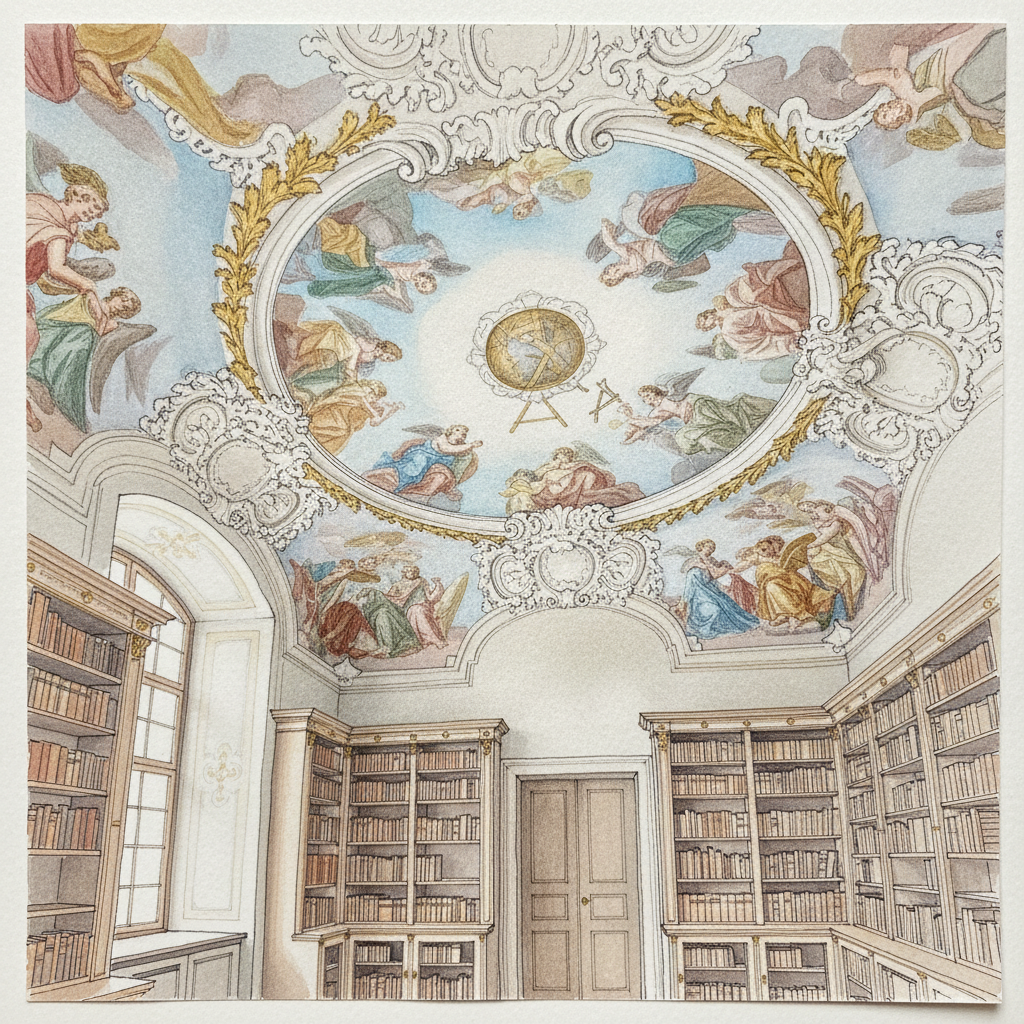
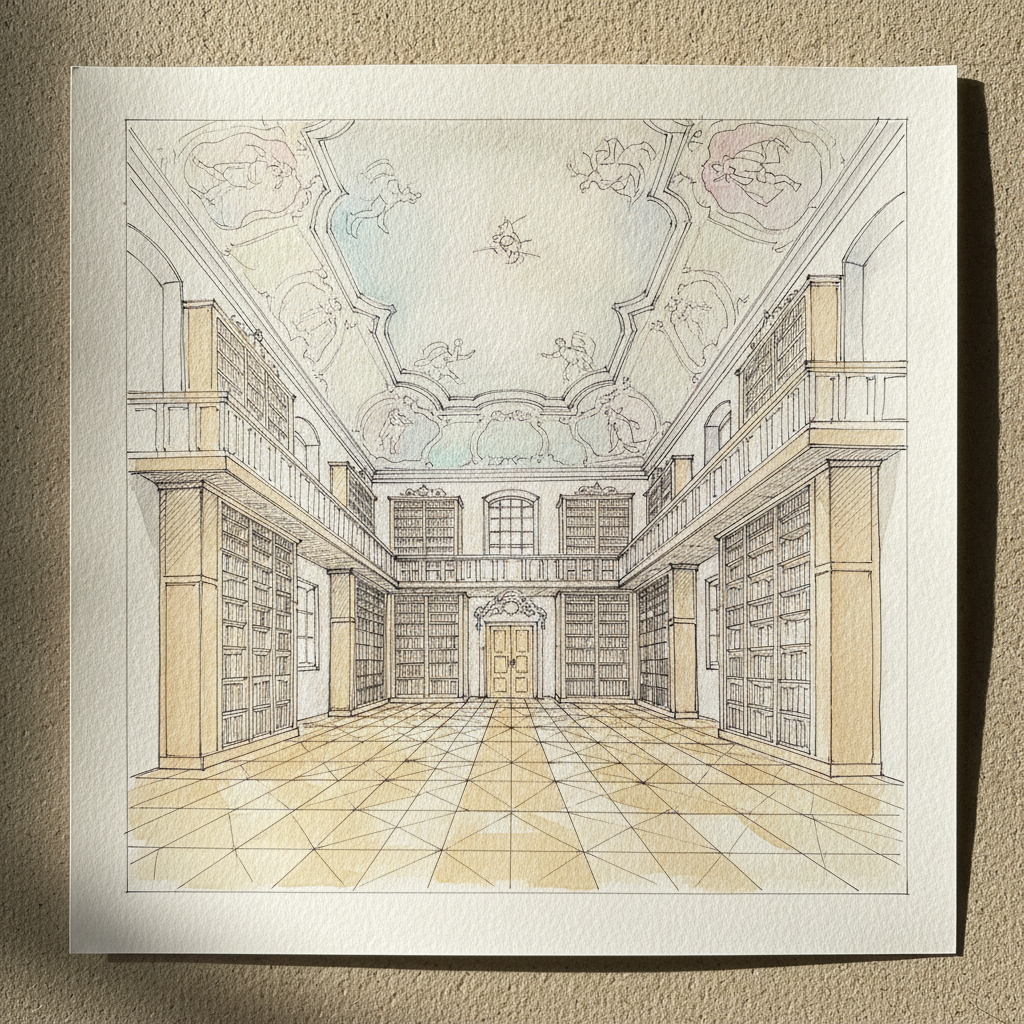
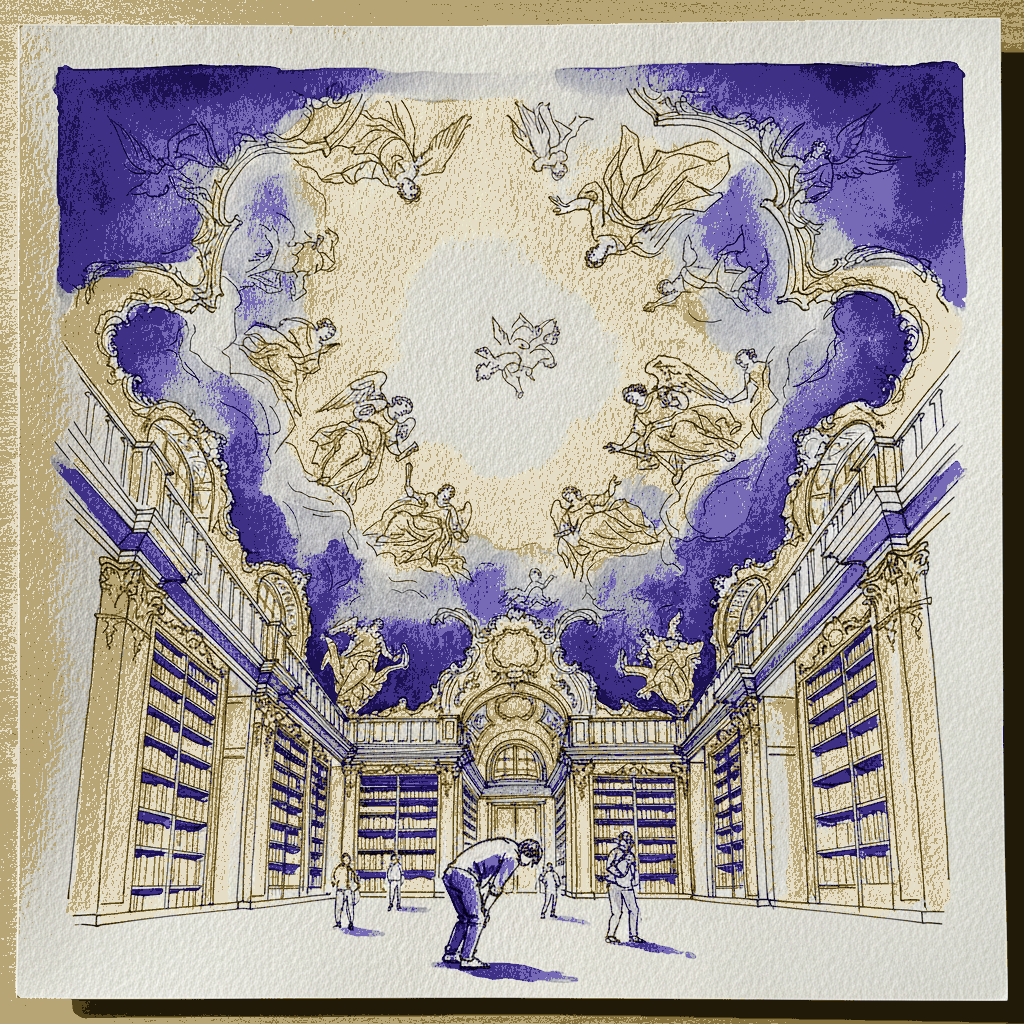
Piece 3 — Schussenried Abbey Library, Bad Schussenried, Germany
Pen + Watercolor · Loose pen and watercolor line-and-wash
Three takes

Focus for this piece
This study is an excellent chance to master extreme upward perspective, particularly in rendering the foreshortened oval of the ceiling fresco and the curved architecture. Focus on articulating the sharp rococo stucco with a fine-nib waterproof pen while using delicate, wet-on-wet watercolor washes to capture the soft, ethereal quality of the fresco figures. Aim for a restrained pastel palette, building colors slowly with transparent glazes to emphasize the intimate, airy feel of the library rather than deep shadow.
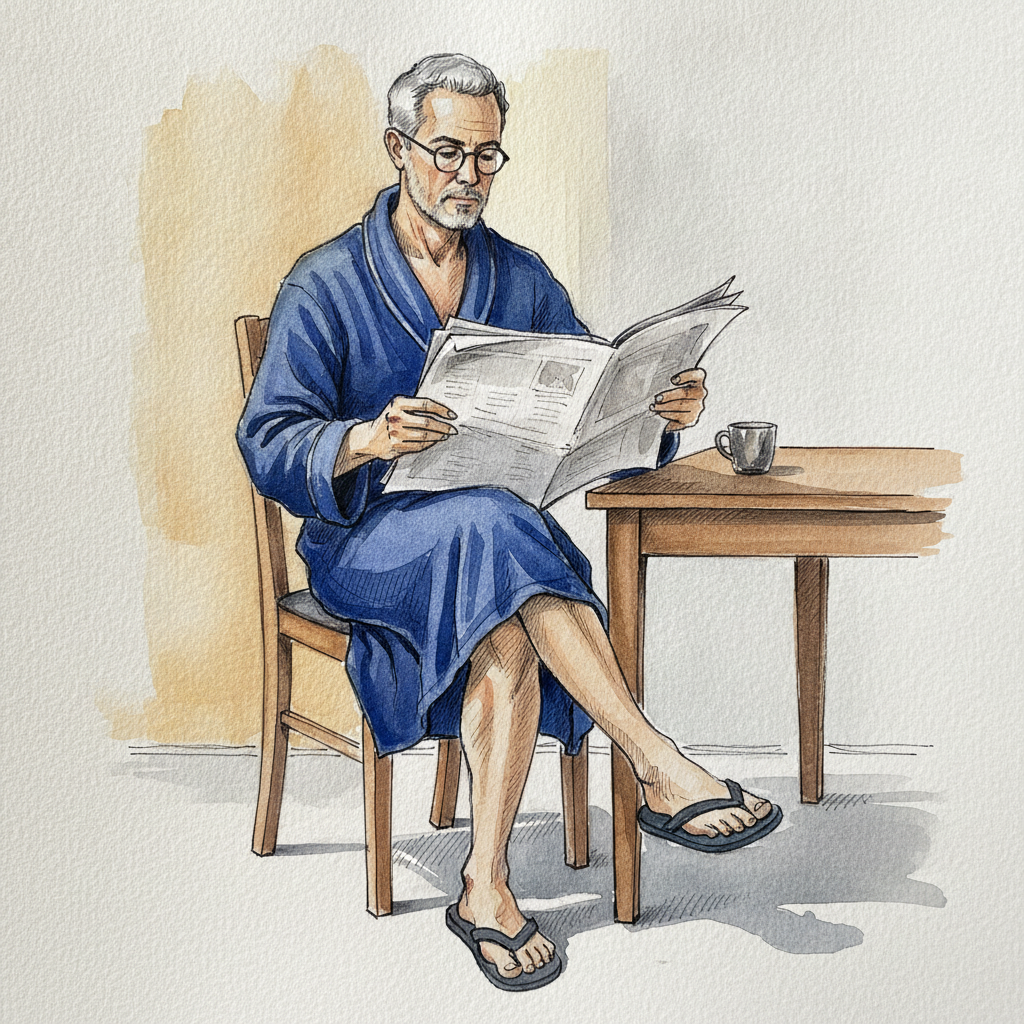
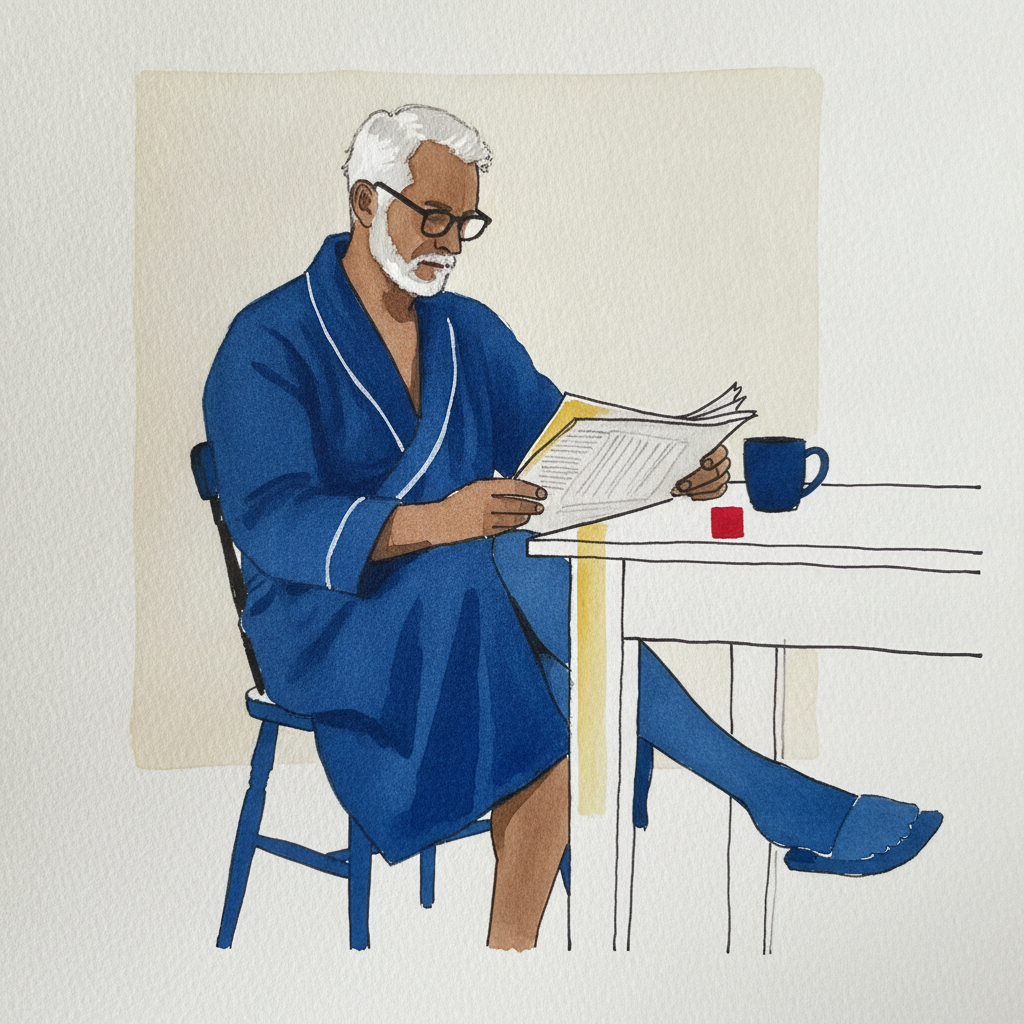
Piece 4 — Man in bathrobe reading paper
Pen + Watercolor · Loose pen and watercolor line-and-wash

Three takes

Focus for this piece
This piece is an excellent study in rendering varied textures and forms using a limited, cool-toned palette. Focus on employing expressive, varied line weights to define the deep folds of the waffle-weave robe and the crisp angles of the folded paper. Complement this with judicious wet-into-wet washes to build volume and suggest the fabric's softness, paying attention to how the overhead light creates highlights on the lapel and stubble while casting deep shadows in the hollows.
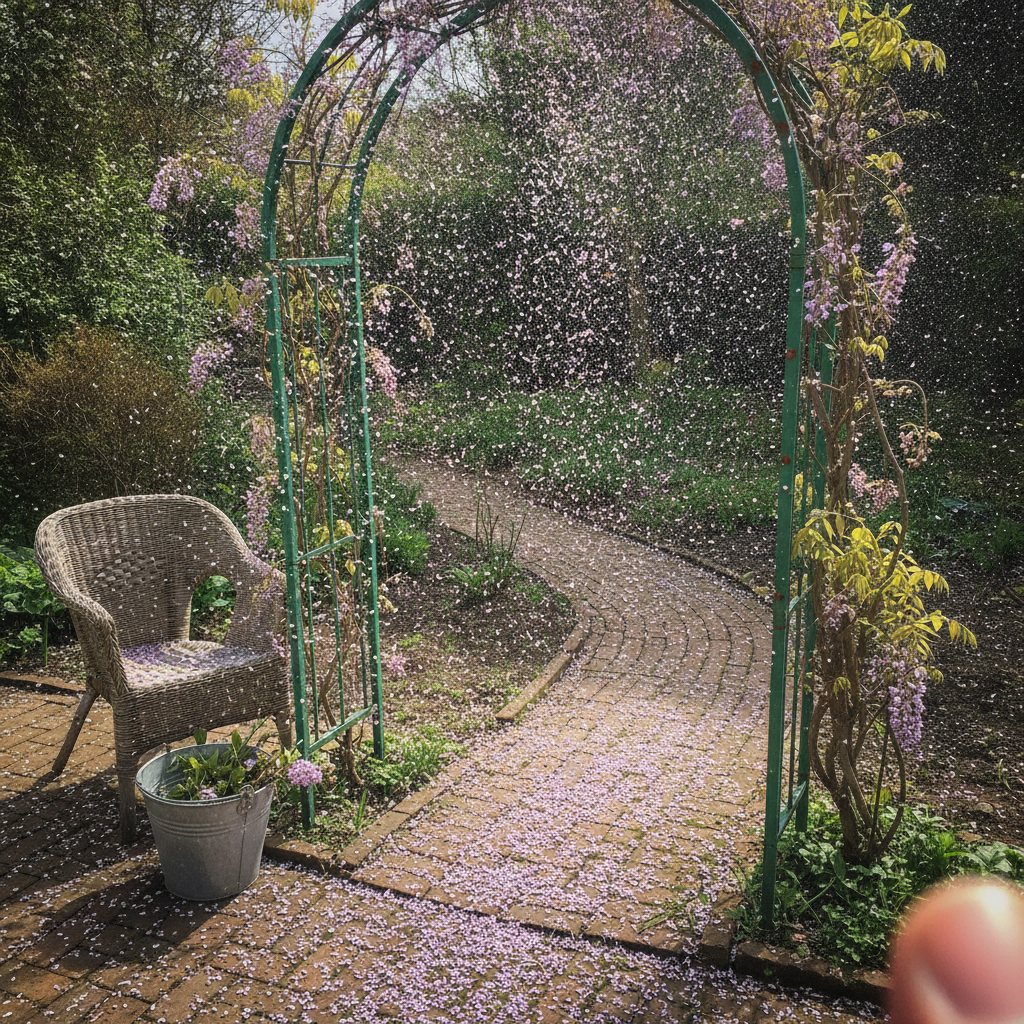
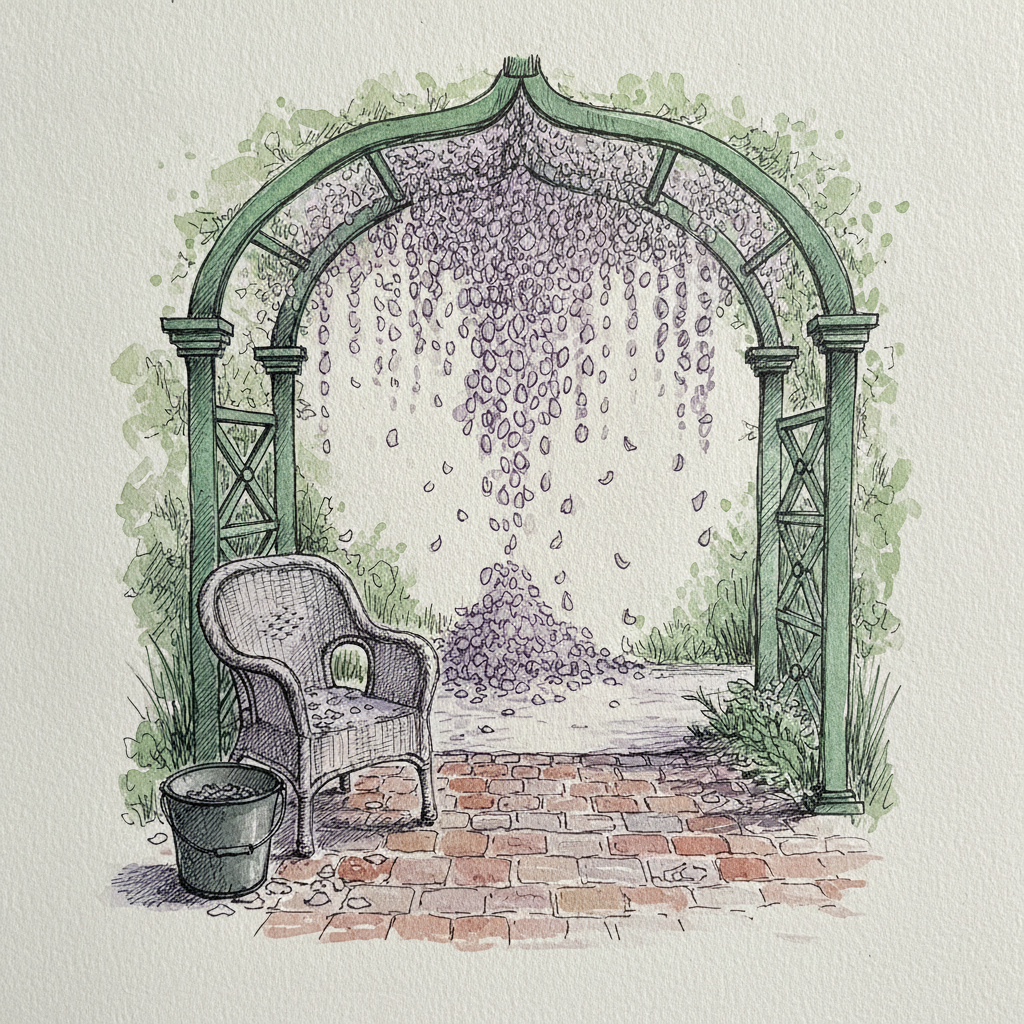
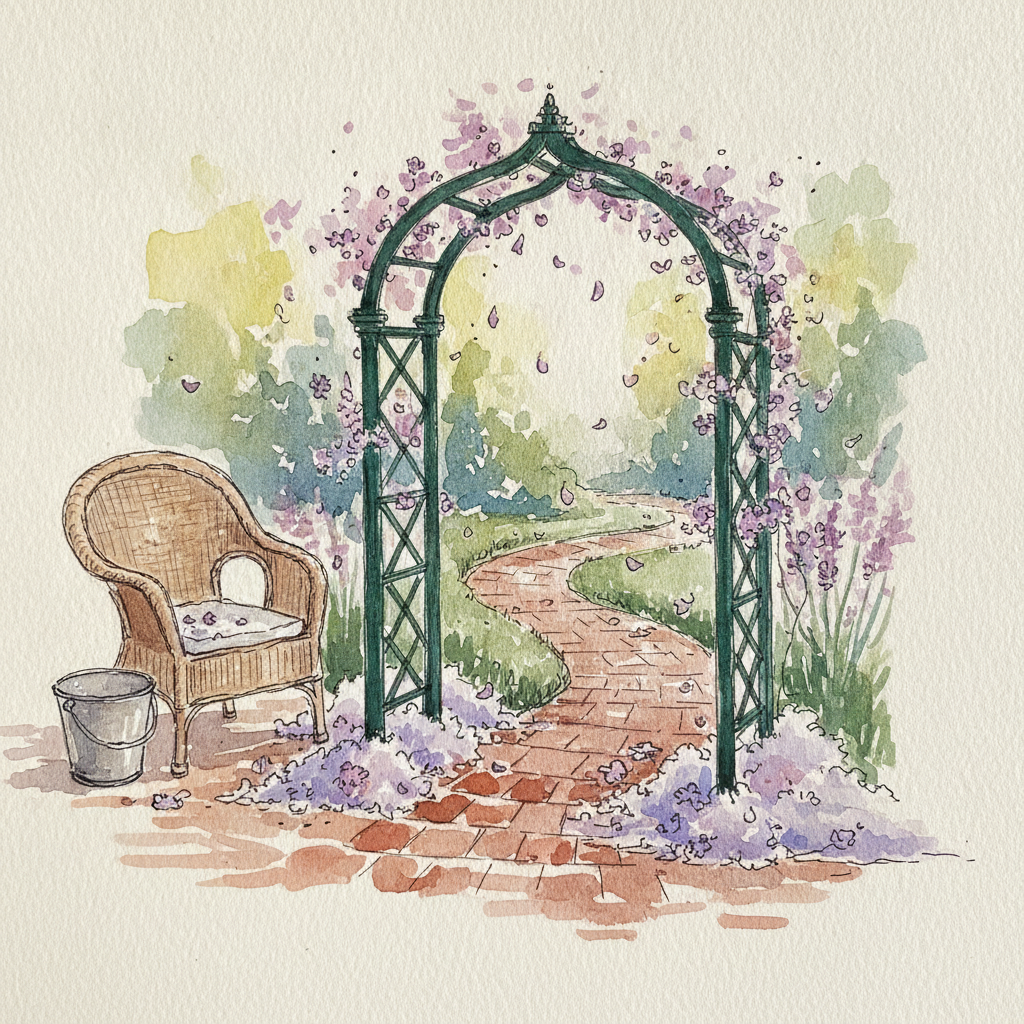
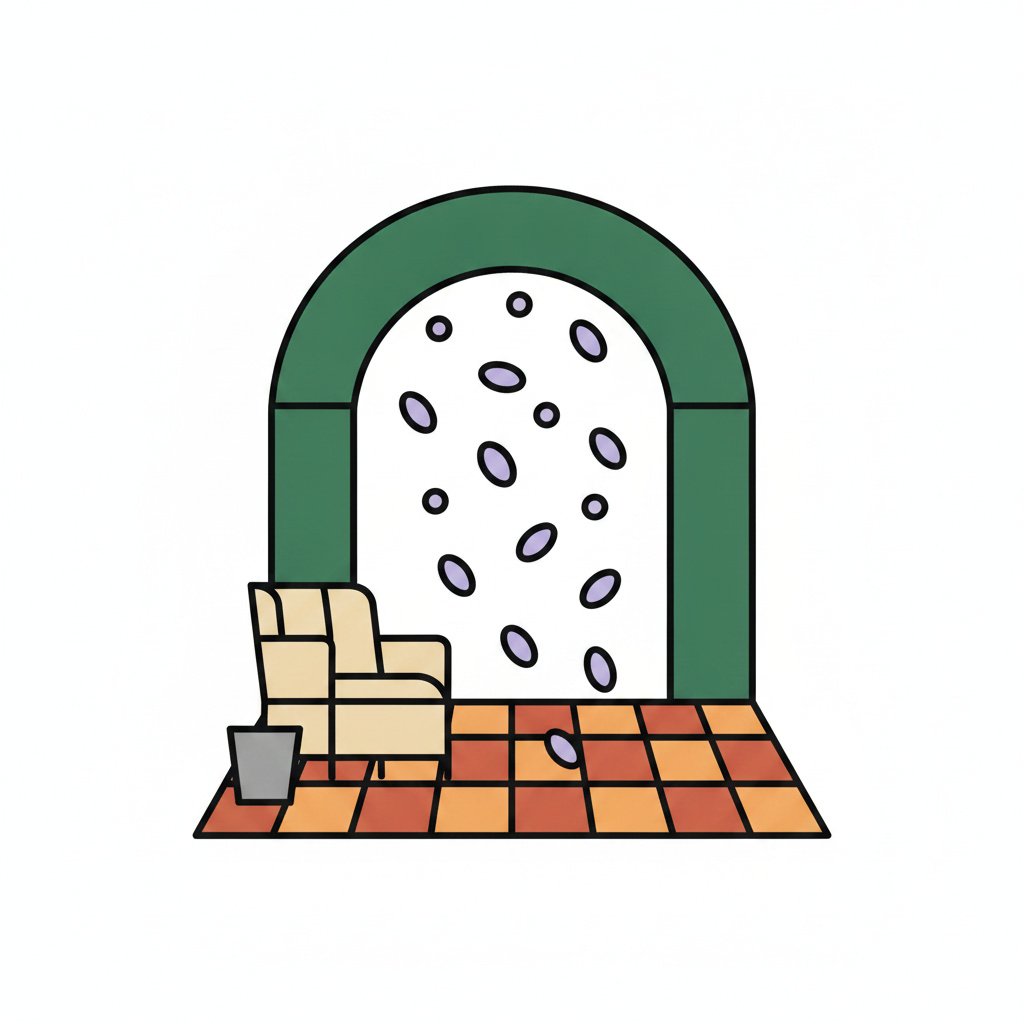
Piece 5 — Petal storm under an arch in late May
Pen + Watercolor · Loose pen and watercolor line-and-wash
Three takes
Focus for this piece
This piece is an excellent study in rendering simultaneous motion and atmospheric light. Focus on using very light, broken pen lines for the drifting florets, reserving firmer lines for the static arch and chair, to distinguish the ephemeral from the permanent elements. Then, employ wet-on-wet washes for the overall petal shower, but introduce small, drier dabs of light-value color directly into still-damp areas to capture the sun-glowing flecks against the shaded ground.
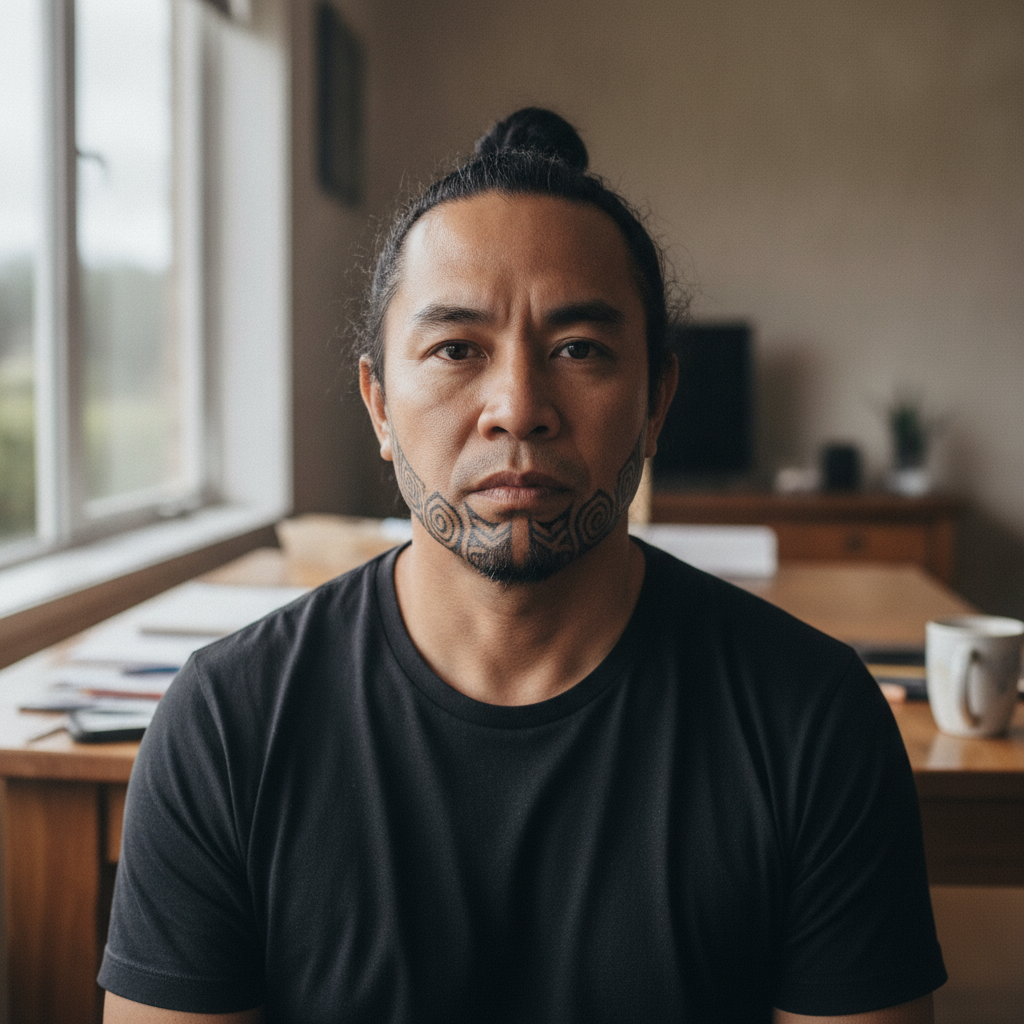
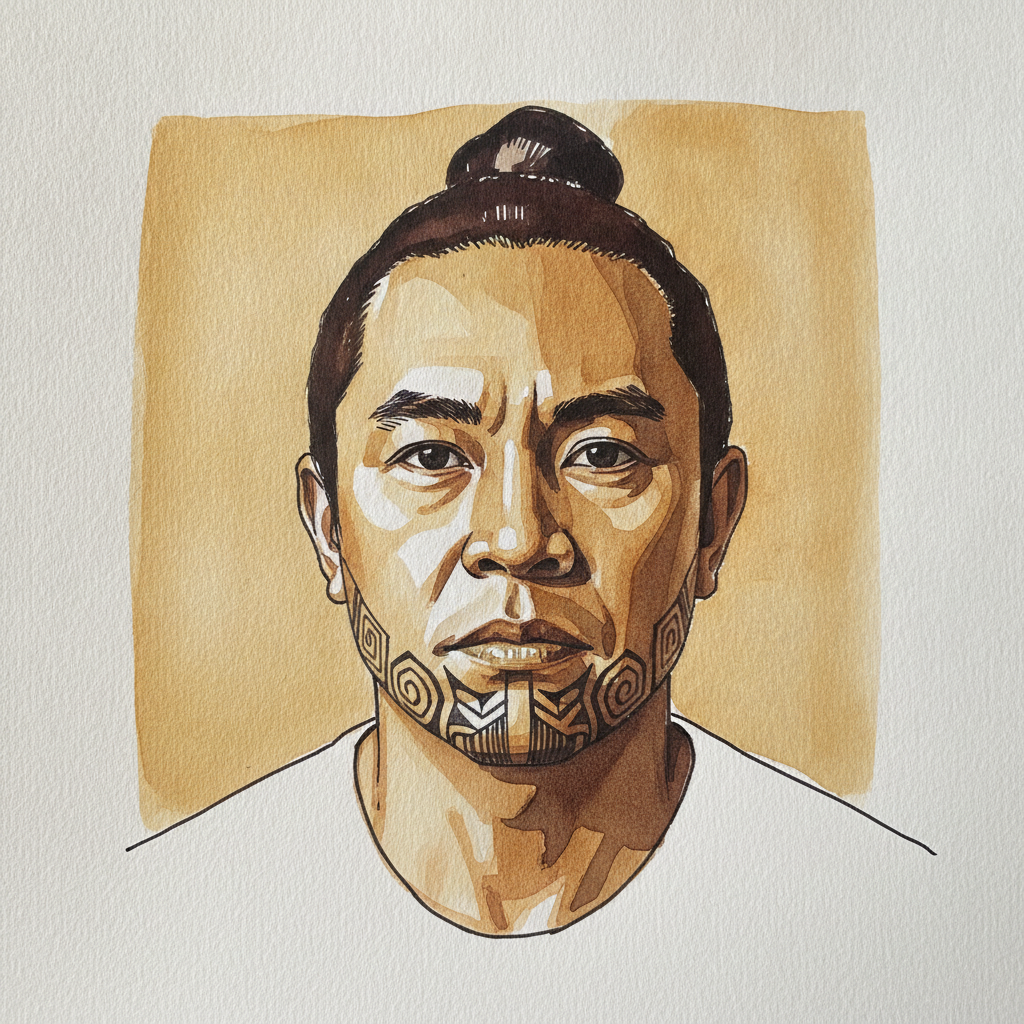
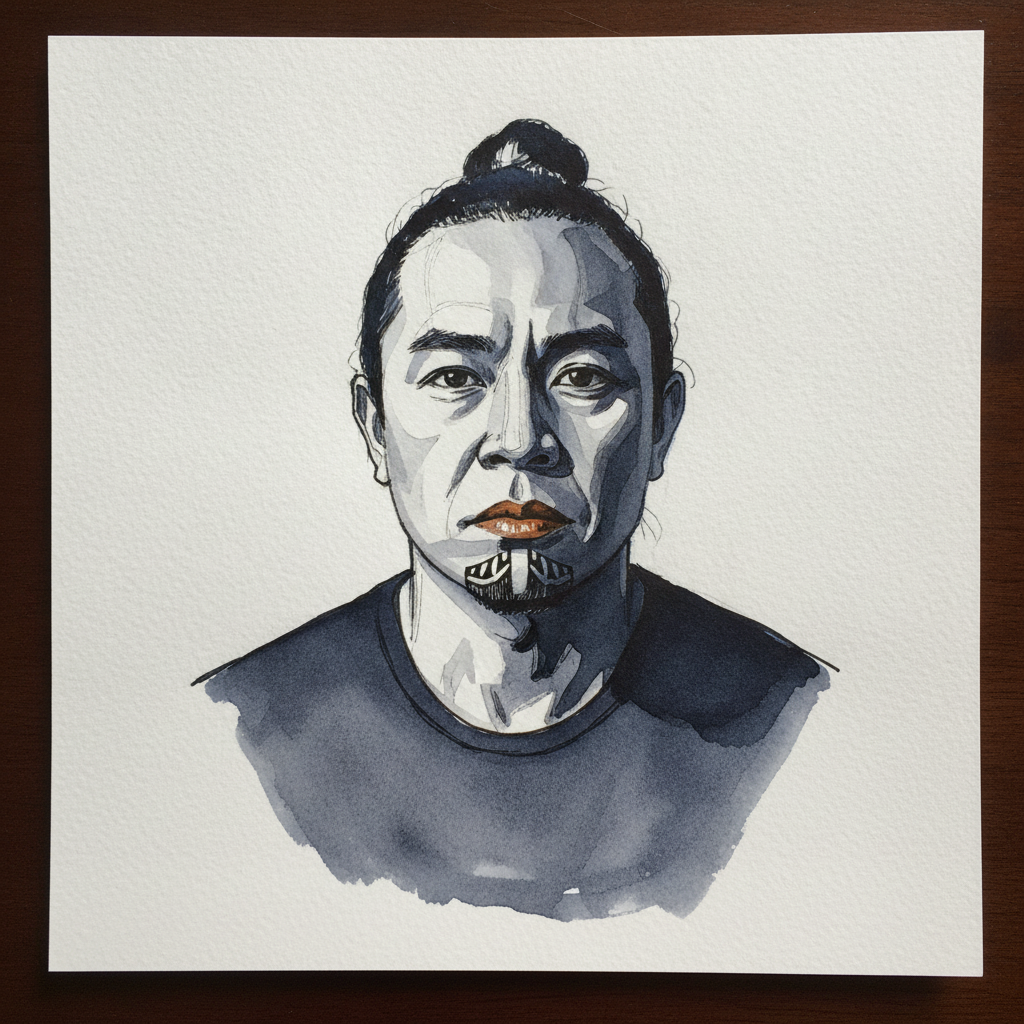
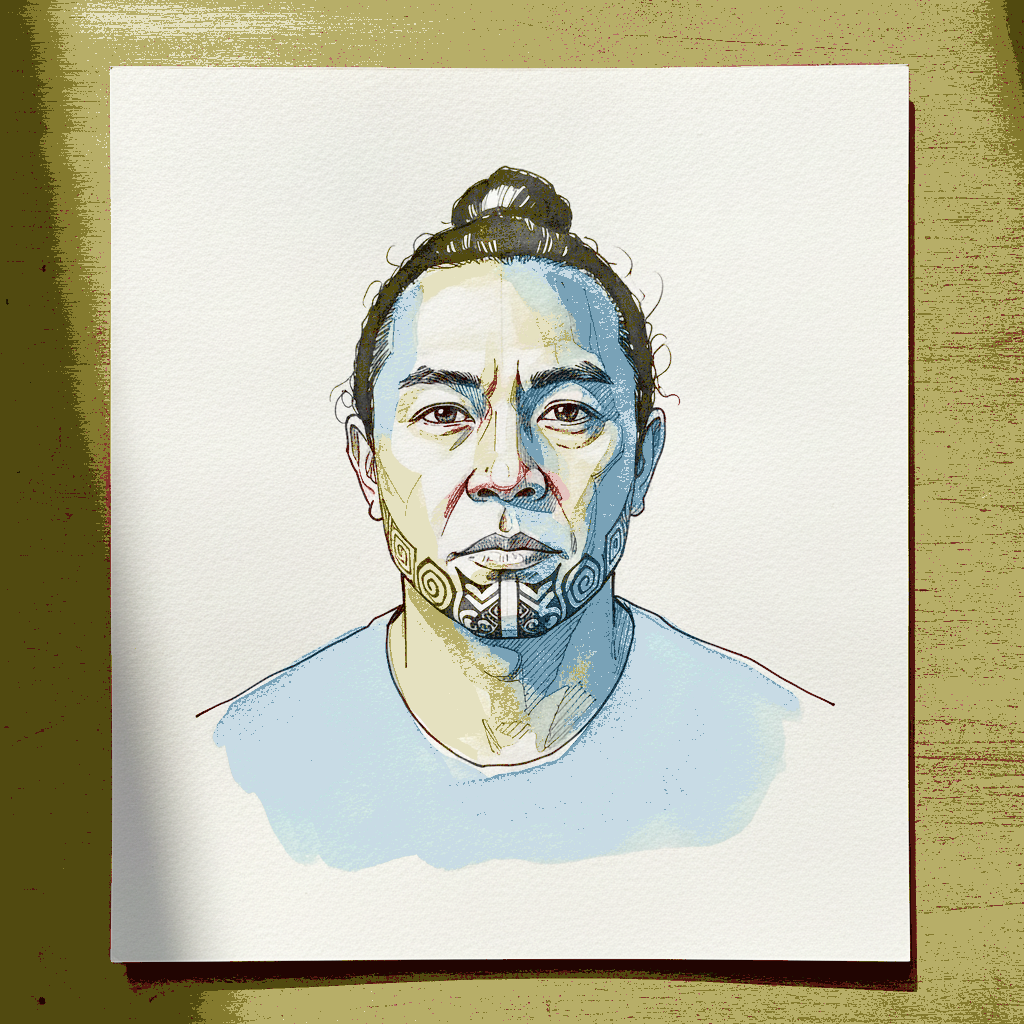
Piece 6 — Maori Man with Moko Kauae Beginnings
Pen + Watercolor · Loose pen and watercolor line-and-wash
Three takes

Focus for this piece
For this portrait, focus on mastering the delicate interplay between precise linear elements and expansive watercolor washes to render both the geometric moko kauae and the soft contours of the face. Use a very fine pen for the developing tattoo linework, allowing it to subtly emerge from light, cool washes that define the forehead and cheekbones. Practice wet-on-dry layering for clean value shifts beneath the brows, while employing softer, wetter washes to build the smooth planes of the cheeks, capturing the nuanced effect of the overhead daylight. This approach will allow the ink to provide structure for the tattoo while watercolor sculpts the facial forms with sensitivity.
Piece 7 — Vall de Boí — Aigüestortes valley, Catalan Pyrenees
Pen + Watercolor · Loose pen and watercolor line-and-wash
Three takes
Focus for this piece
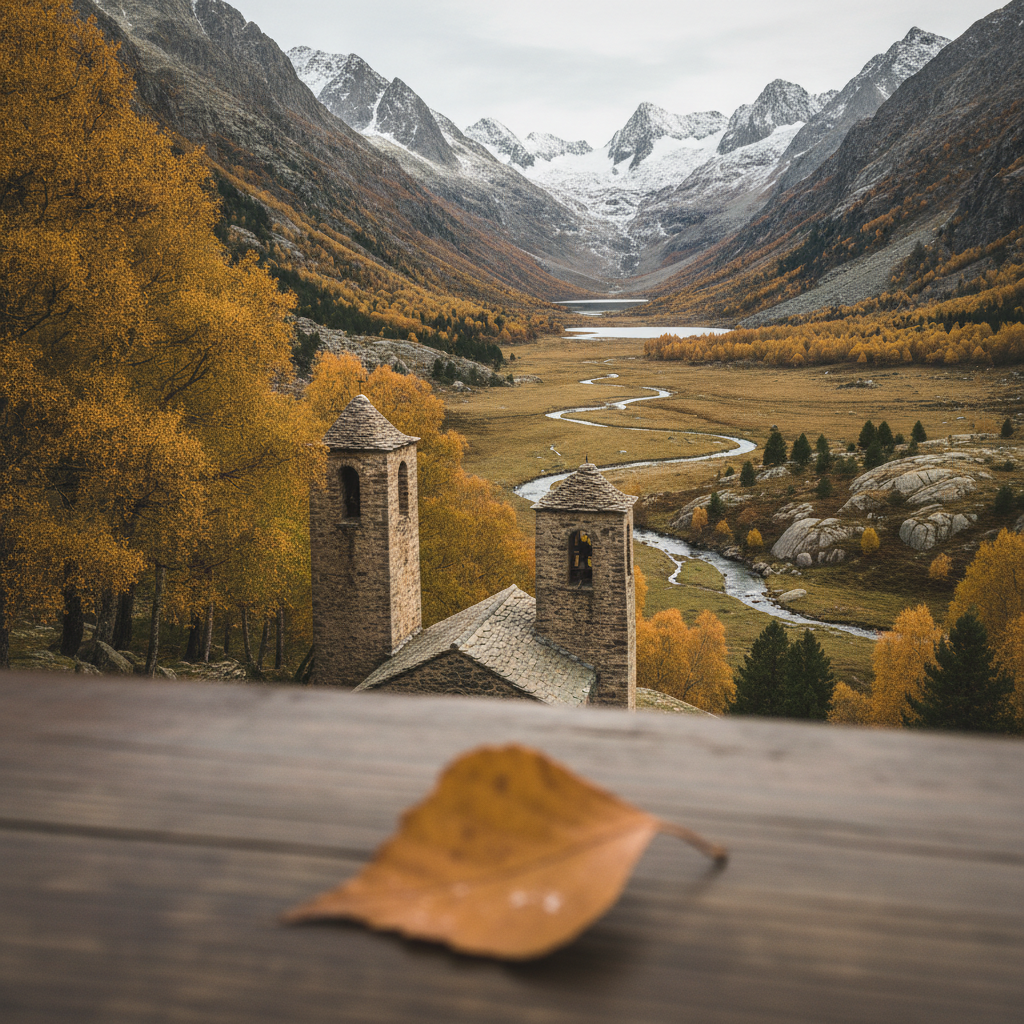
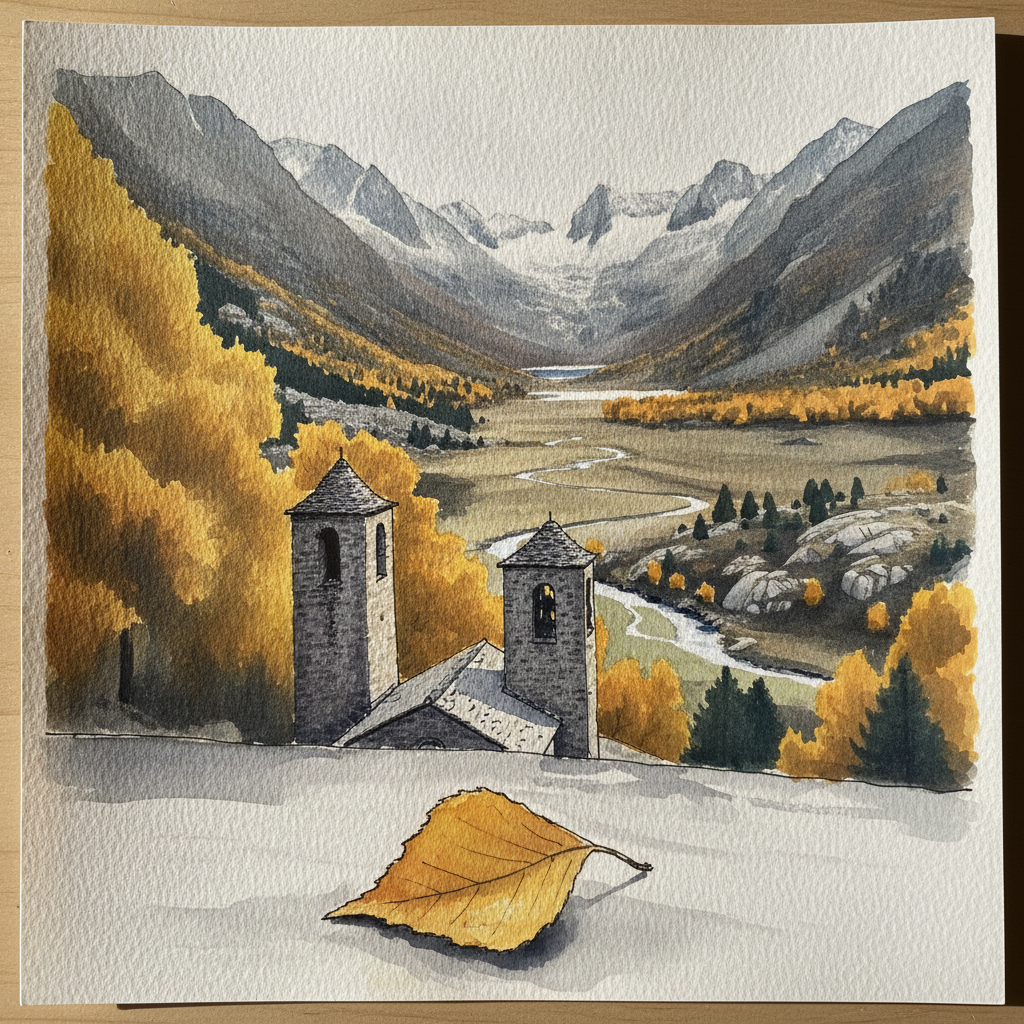
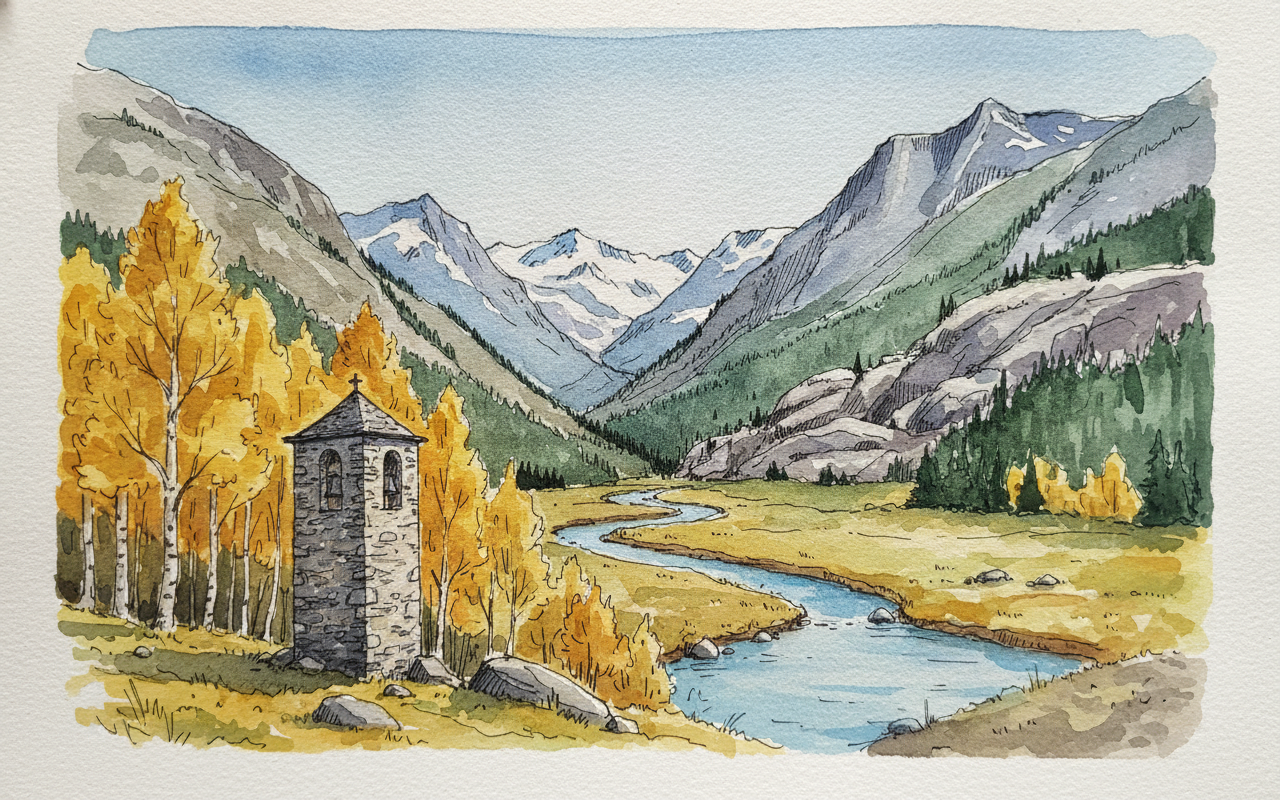
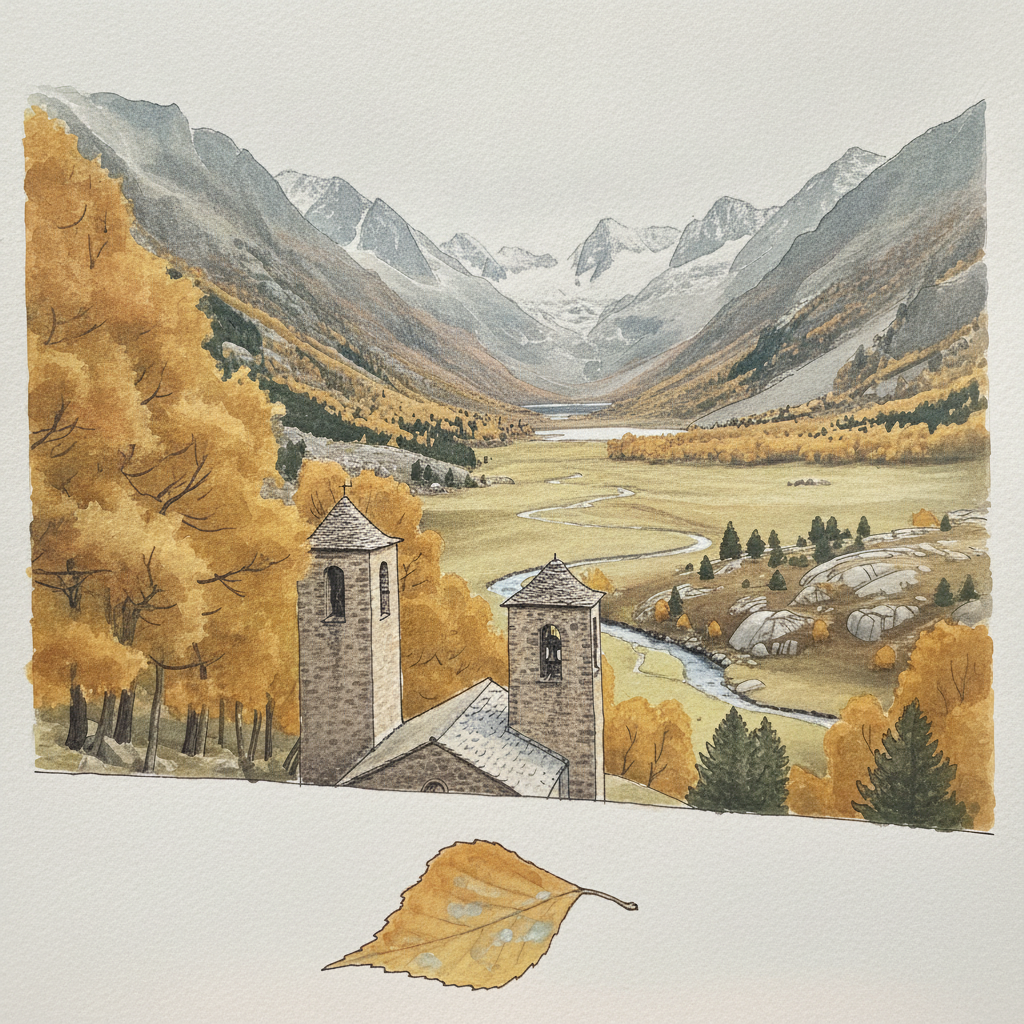
This piece offers an excellent study in differentiating geological forms and textures across a large landscape using varied line and wash approaches. Use robust, angular pen lines to define the foreground bell tower, contrasting these with more fluid, contour-following lines for the rounded, glacially-scoured granite outcrops and the distant U-shaped valley. Employ dry-brush techniques for the rugged texture of the granite, while utilizing soft, wet-on-wet washes for the atmospheric depth of the distant peaks and reserving saturated golden-yellow glazes for the foreground birches and larches.
Piece 8 — Golden beet
Pen + Watercolor · Loose pen and watercolor line-and-wash
Three takes
Focus for this piece
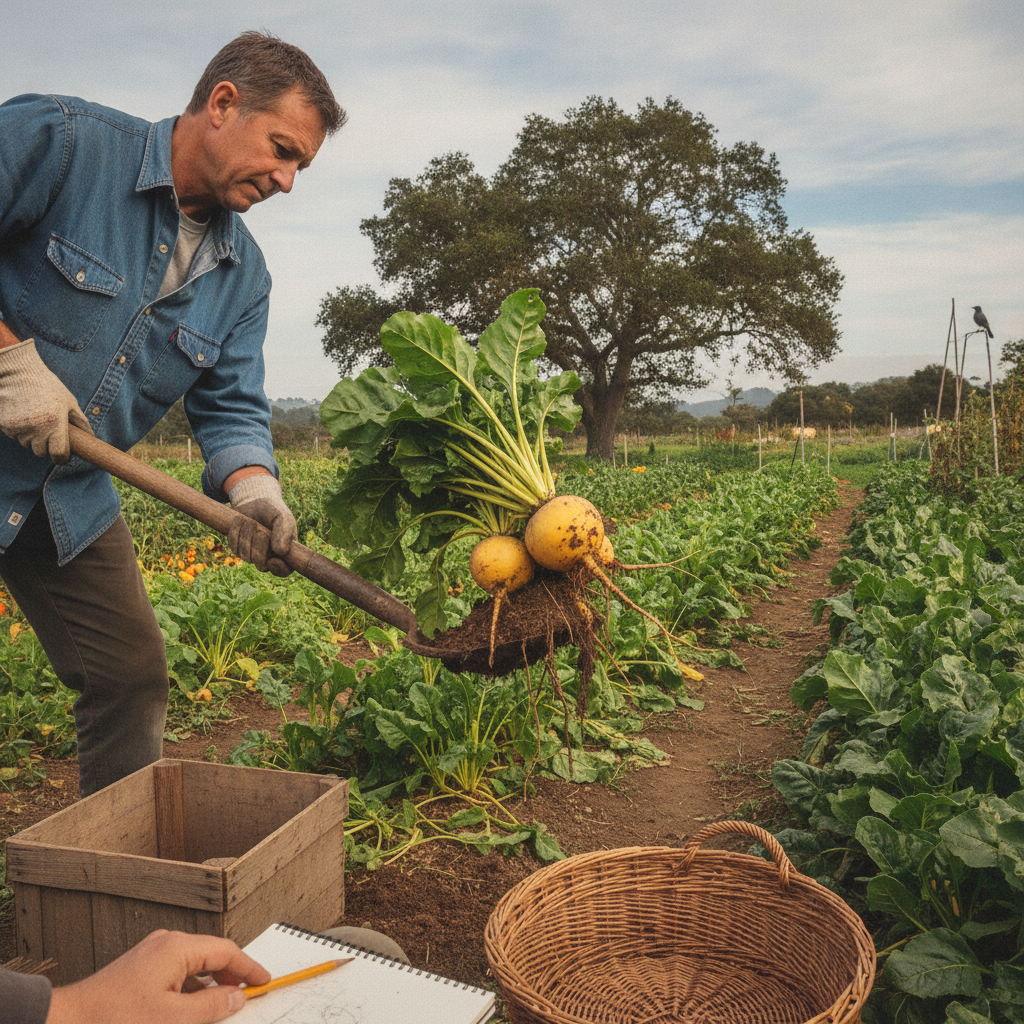
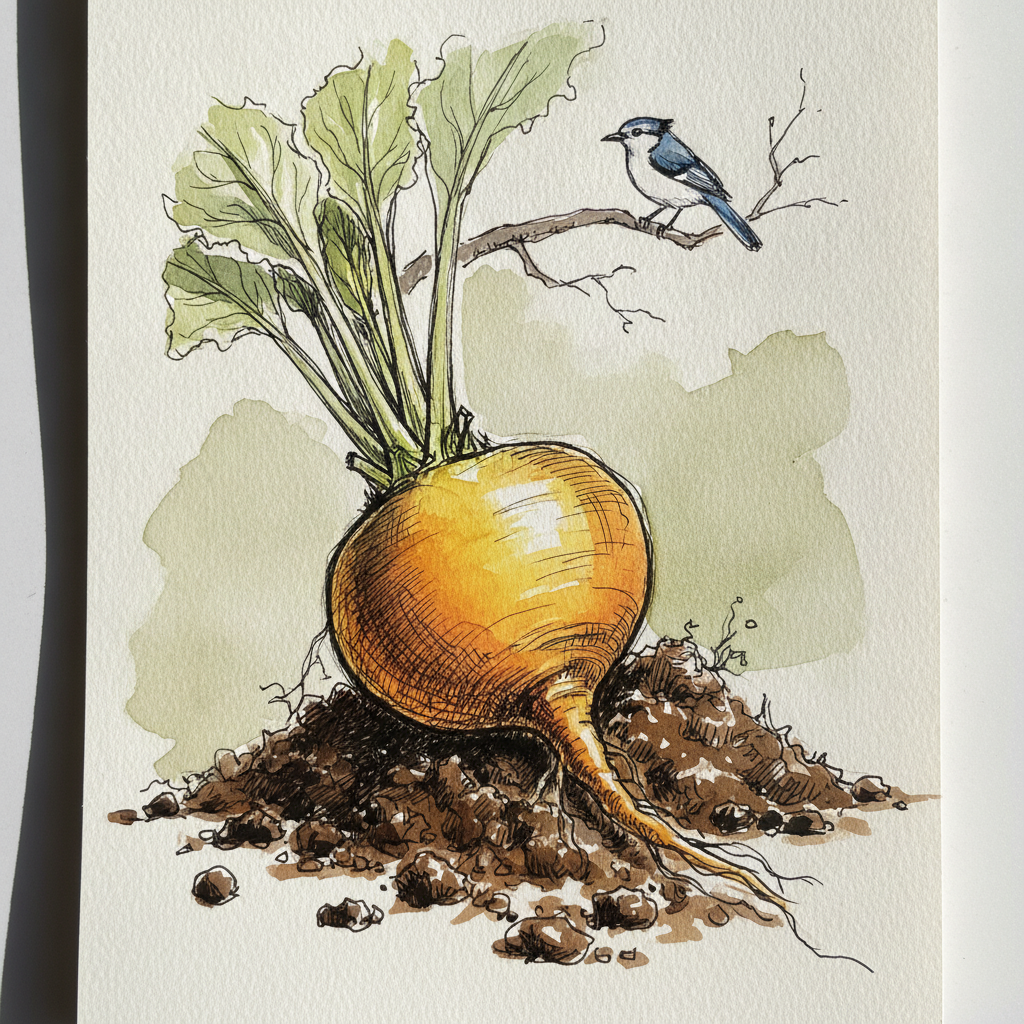
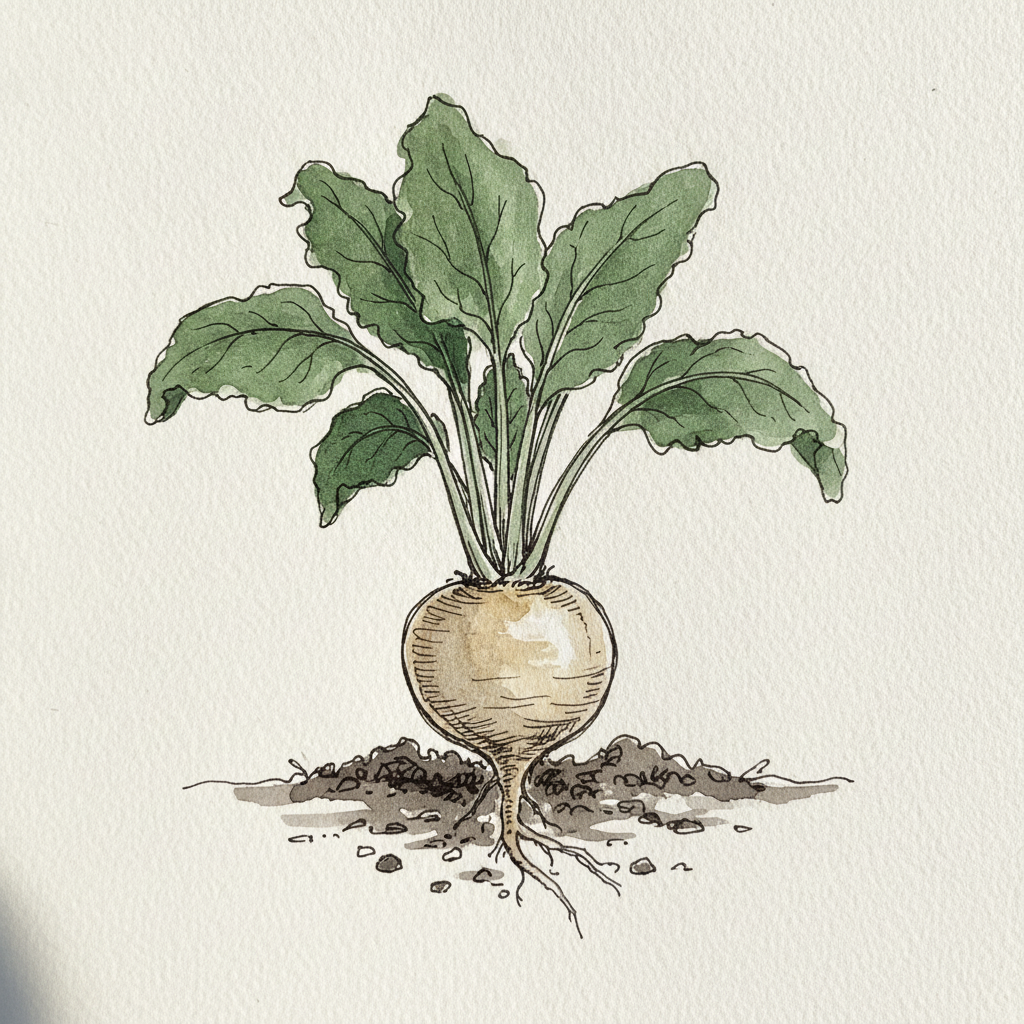
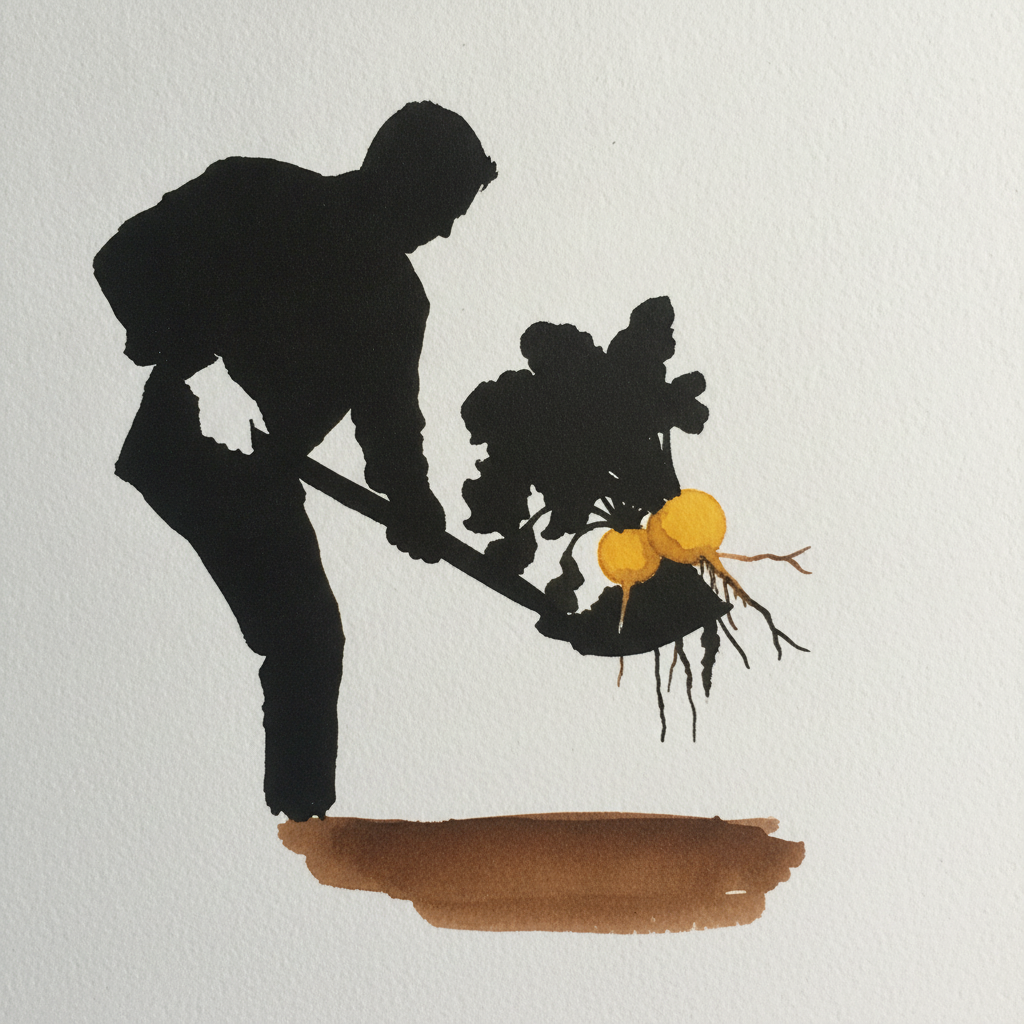
This golden beet piece challenges you to balance crisp botanical detail with organic fluidity. Use precise, varied line weights to define the delicate leaf veins and the clean curve of the roots, but then embrace the provisional nature of watercolor with soft, layered washes to build the deep greens and the luminous, egg-yolk yellows, letting colors blend subtly at their edges. Focus on how the vibrant contrasts in hue and value create depth without over-inking the entire form.